📋 Basic Information
Model NO.
Plant Container Factory AN-031
Cultivation Method
Nft / Dwc / Aeroponics / Vertical Hydroponics
Usage
Commercial Greenhouse
Product Type
Greenhouse Hydroponics System
Material
Food-Grade PVC Channels + Aluminum Frame
Control Method
Smart Controller / APP Remote / Manual Control
Nutrient Control
Ec/pH Automatic Adjustment
Daily Output
20-150 Kg (Depending on Configuration)
Plant Density
60-300 Plants / M²
Number of Layers
3-8 Layers (Customizable)
Planting Holes
72-400 Holes Per Module
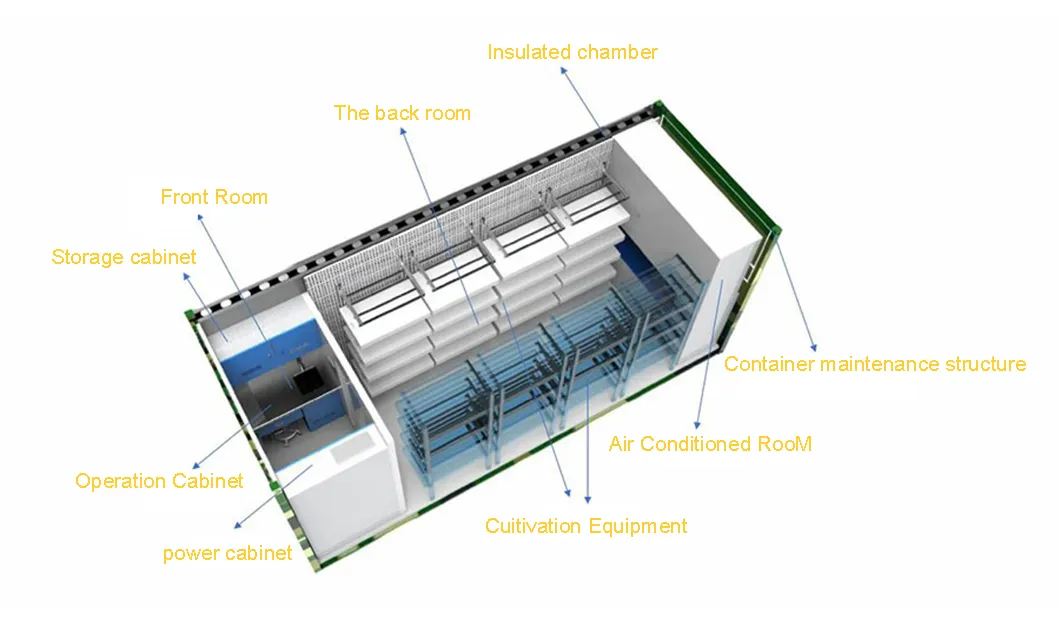
🏗️ Container Planting System Layout
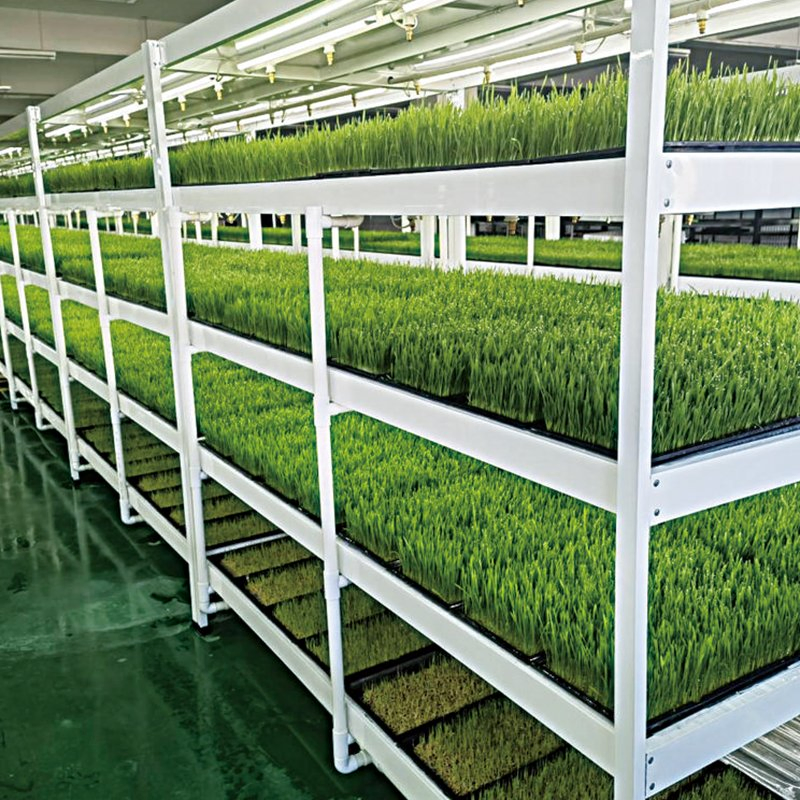
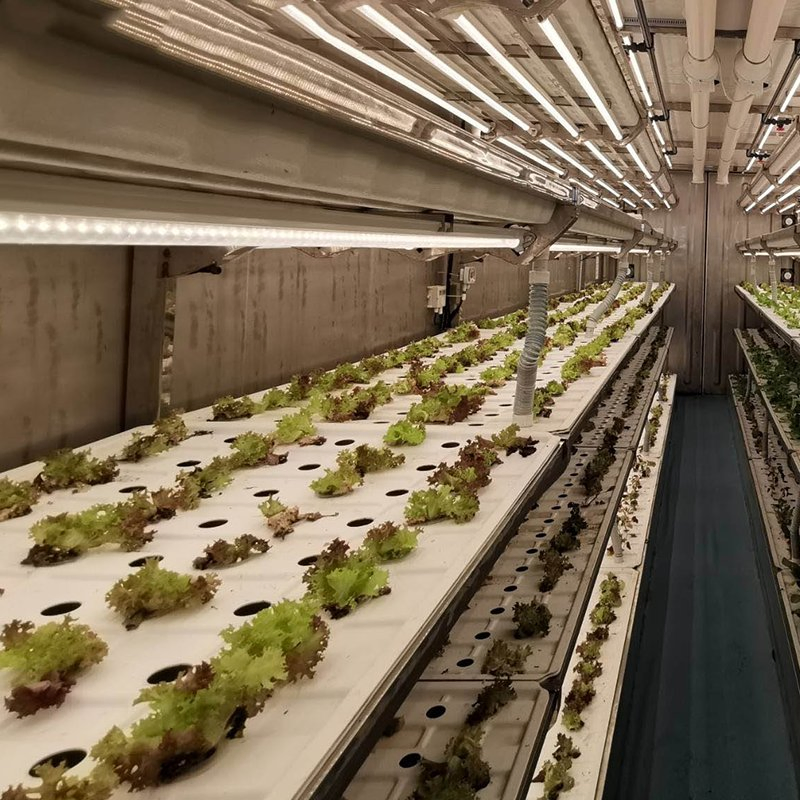
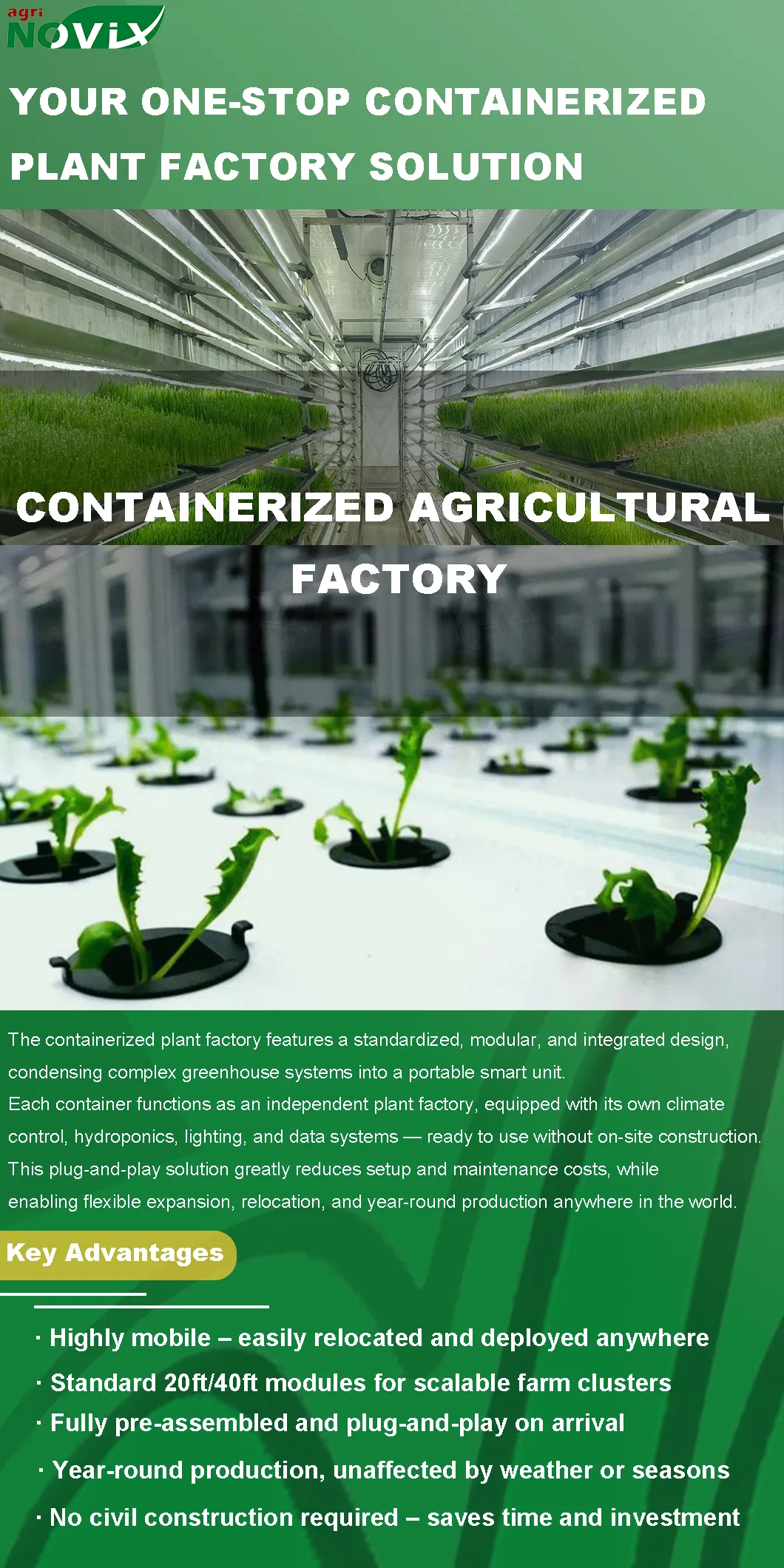
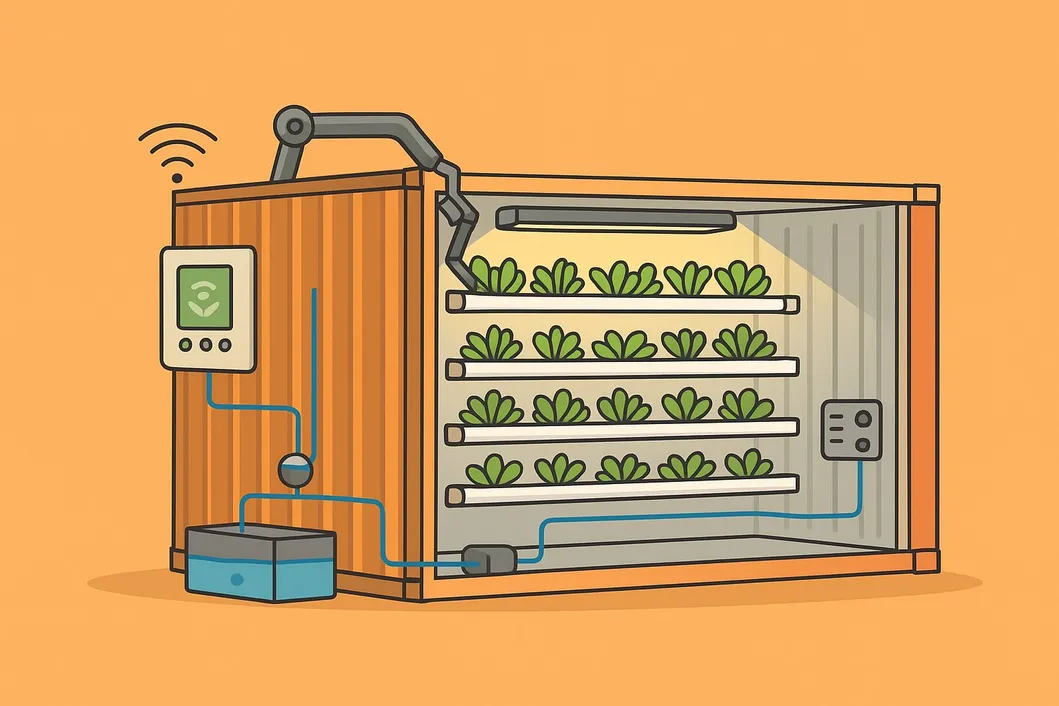
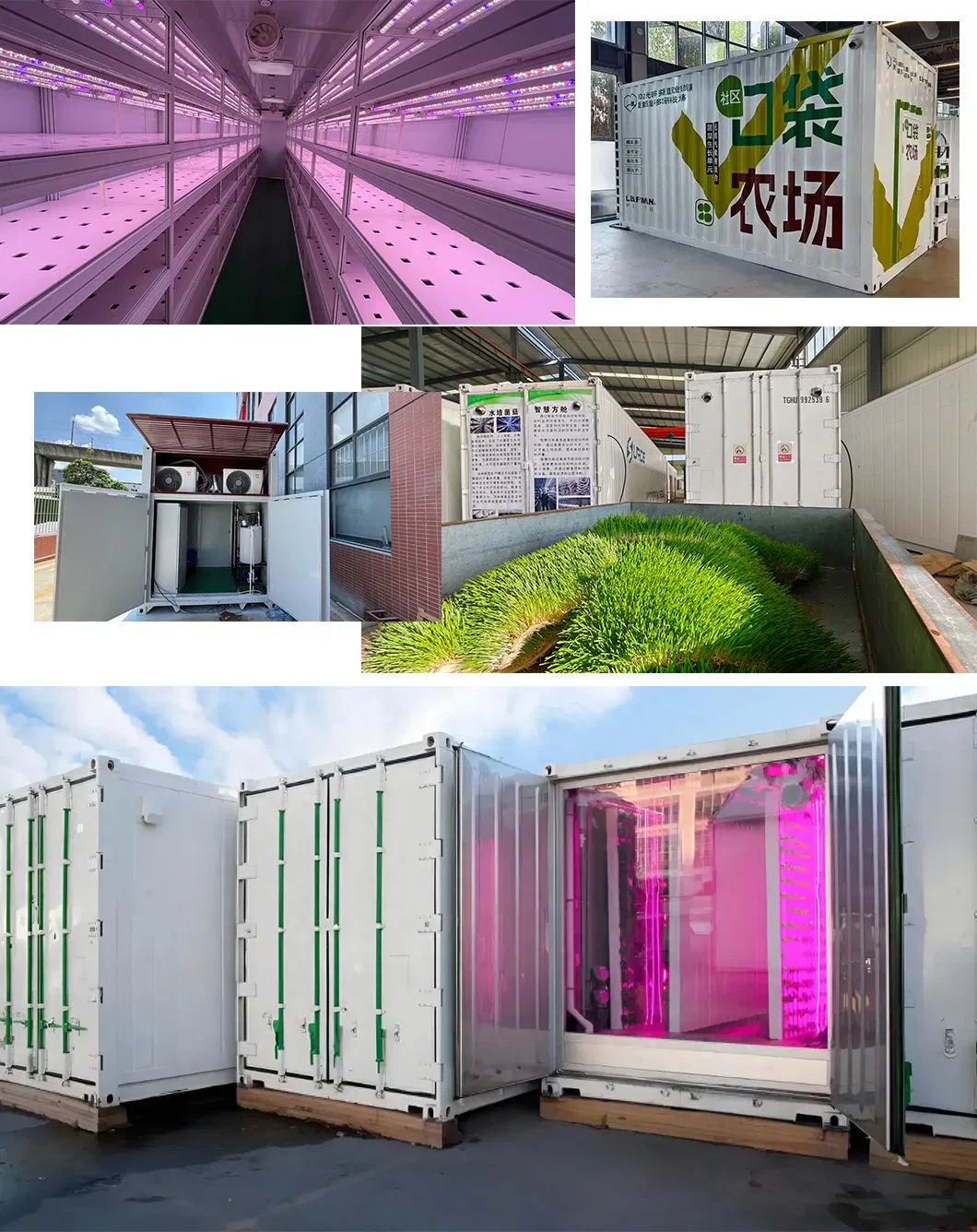
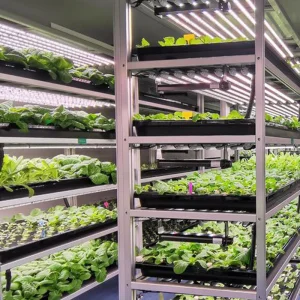
The fully automated 40-foot containerized mobile factory is equipped with a state-of-the-art plant growth rack system.
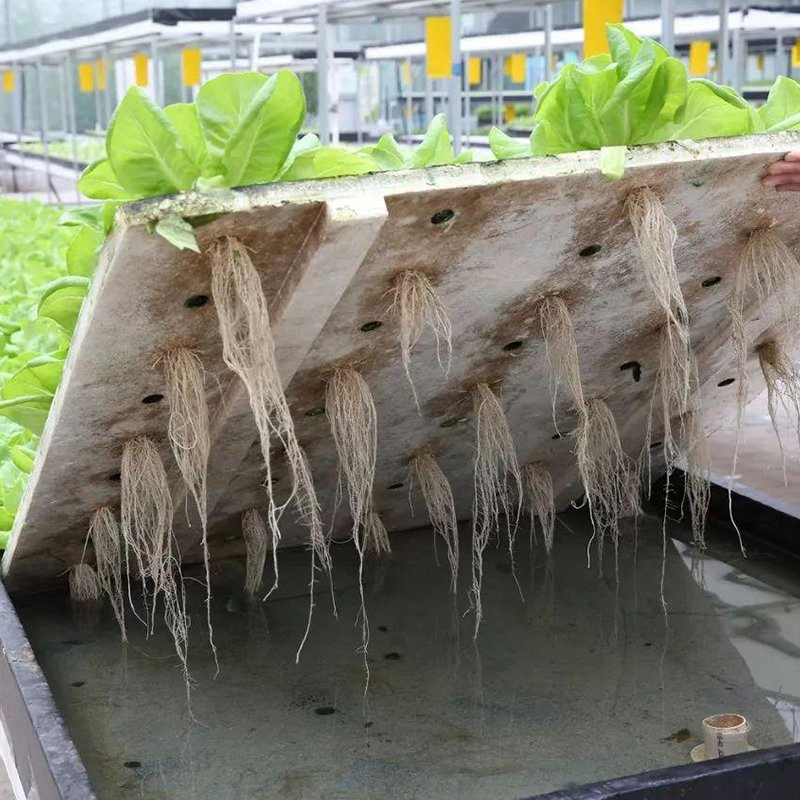
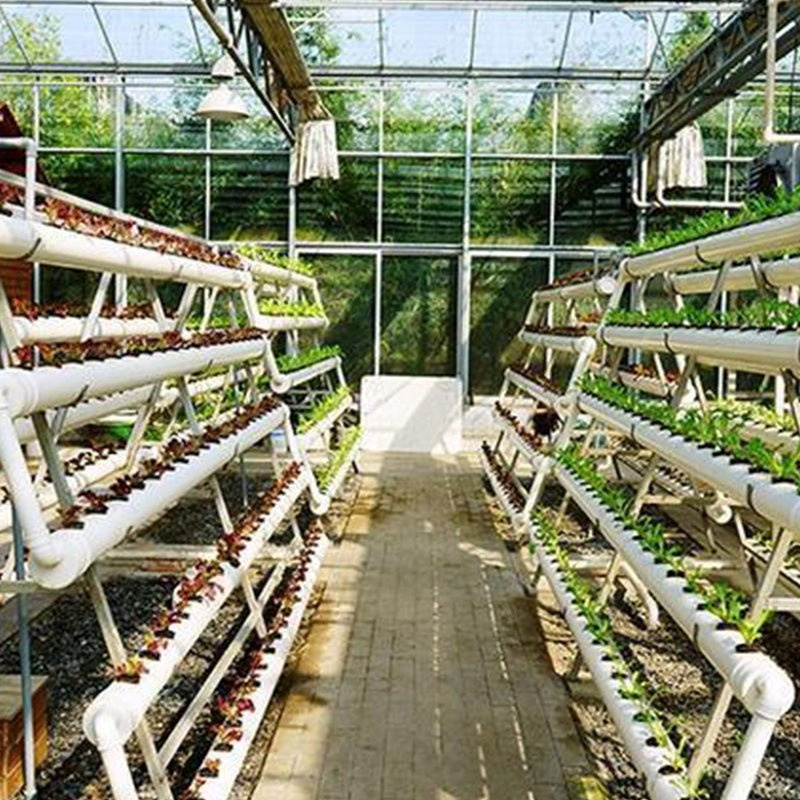
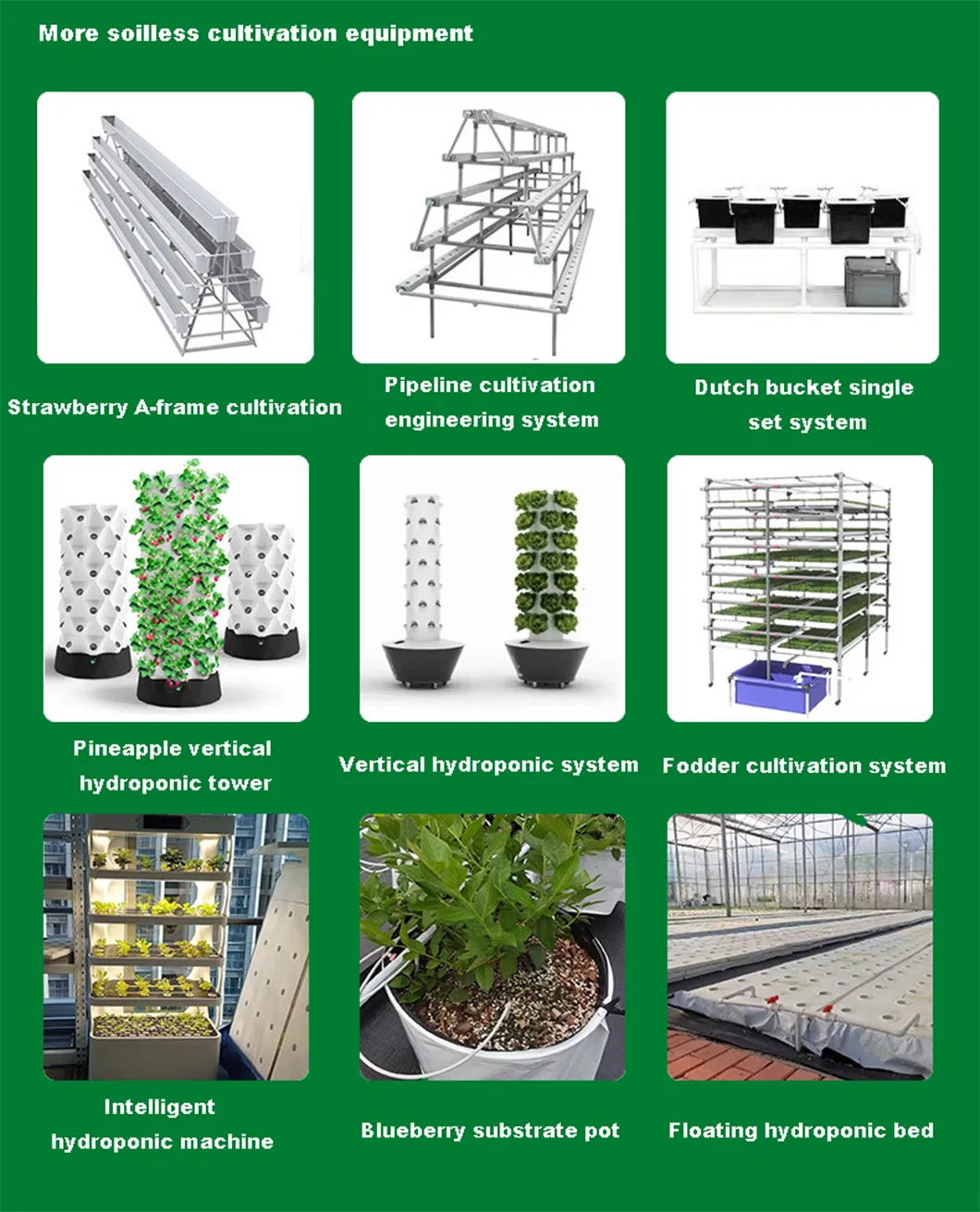
The built-in hydroponic system supports NFT, DWC, drip, or aeroponic methods. Plants grow without soil, directly absorbing nutrients from a recirculating solution, minimizing pests and water use.
📊 Product Specification Sheet
| Smart Hydroponic Container - Vertical Hydroponic Growing System |
| Product Name | Specification |
| Material | Food-grade PVC Channels + Aluminum Frame |
| Container Size | 20 ft HQ Container / 40 ft HQ Container |
| Type | Hydroponic Type |
| Container Width | 230 cm (7.54 ft) - Customizable |
| Length | 12 m (39.37 ft) - Customizable |
| Height | 2.7 m (8.8 ft) - Customizable |
| NFT System | 9000 × 650 × 2600 mm, 2 units |
| Planting Holes | 2,400 holes (Hole Ø: 50 mm, Center Distance: 150 mm) |
| NFT Channel Size | 118 × 50 mm (With Removable Cover) |
We can customize different sizes according to your needs!
💡 Intelligent Control System
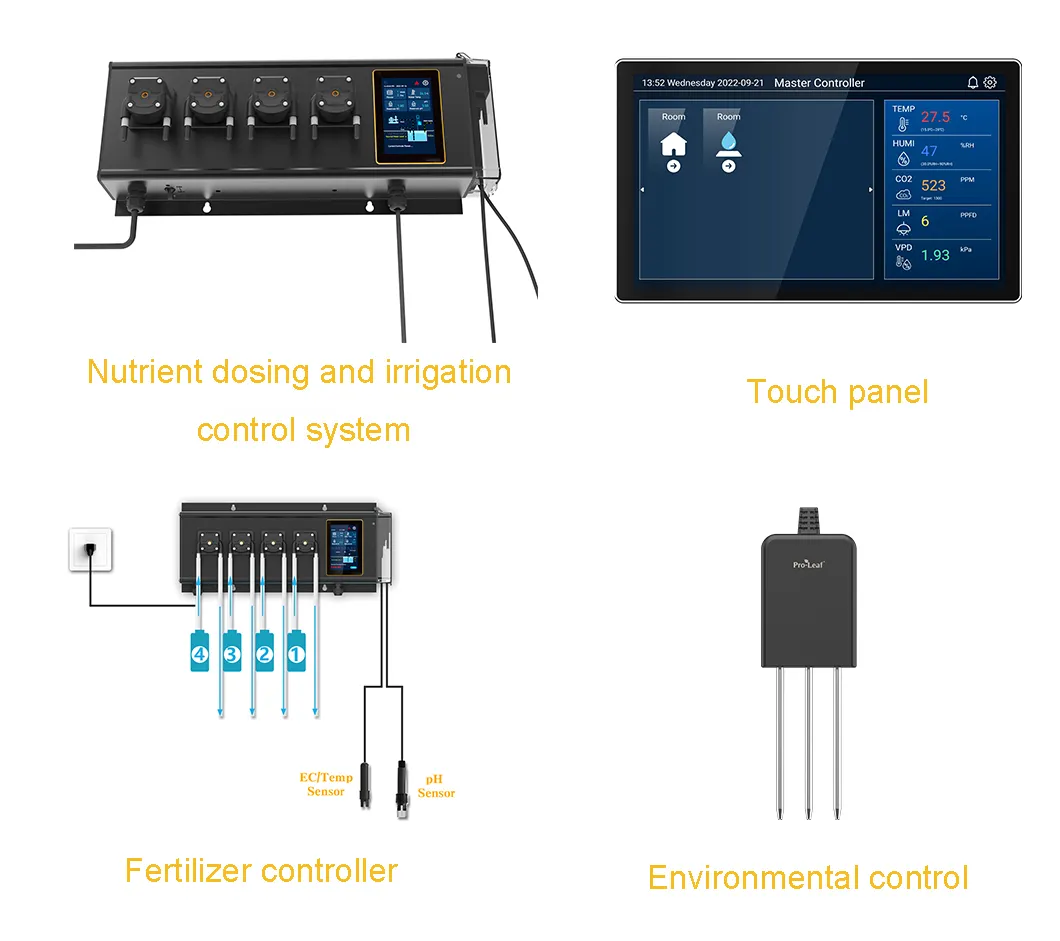
The container hydroponic system is equipped with an intelligent control module that automatically manages the environment, nutrient solution, and lighting conditions. It continuously monitors temperature, humidity, light intensity, water level, EC, and pH values.
- Remote Access Control: Operate the entire system through a mobile app or PC.
- Automated Circulation System: Scheduled pump operation keeps nutrients flowing steadily.
- Real-Time Monitoring & Alerts: Sends immediate notifications when irregularities occur.
- Cloud-Based Management Hub: Stores system data online and supports intelligent analysis.
- Intelligent Energy Management: AI adjusts lighting and irrigation to lower energy consumption.
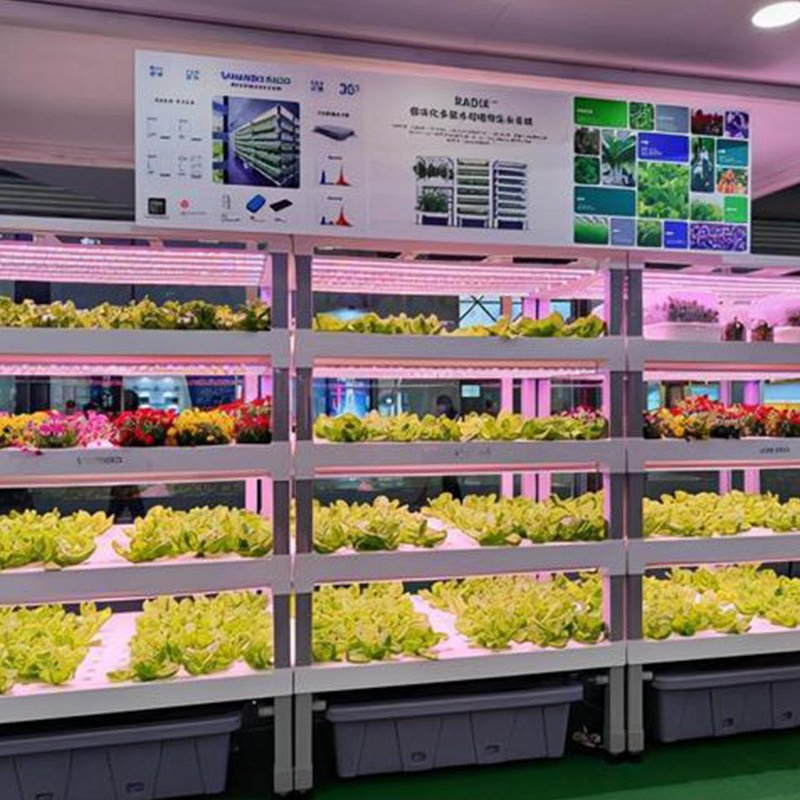
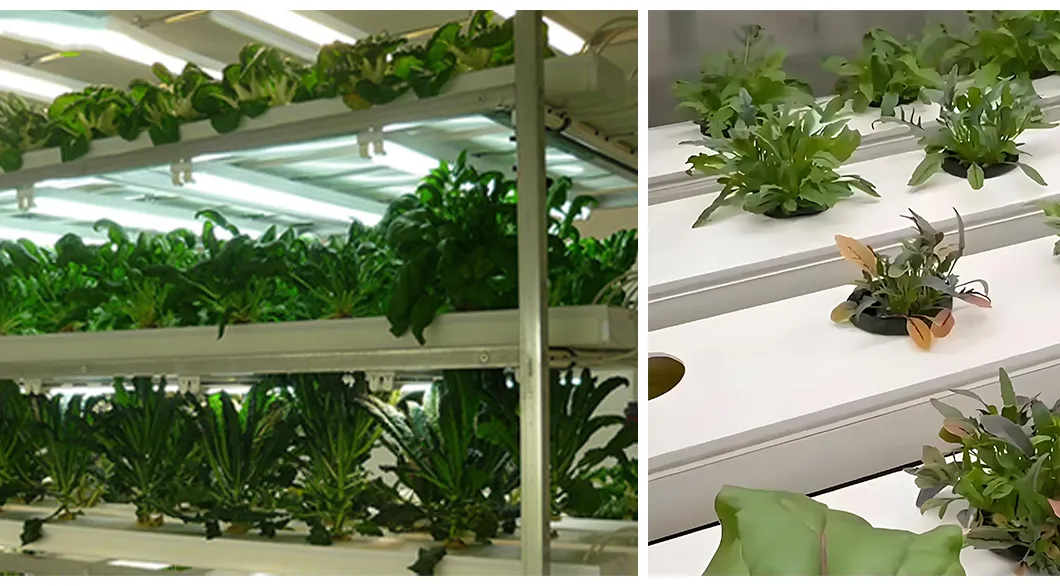
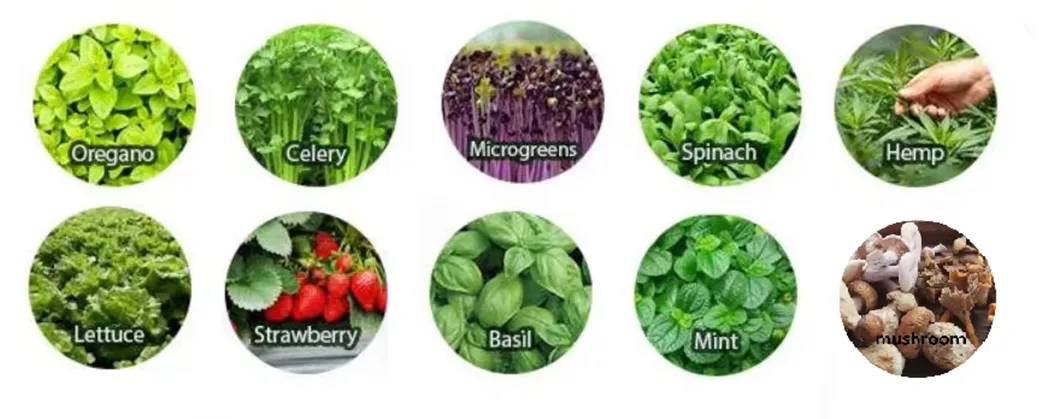
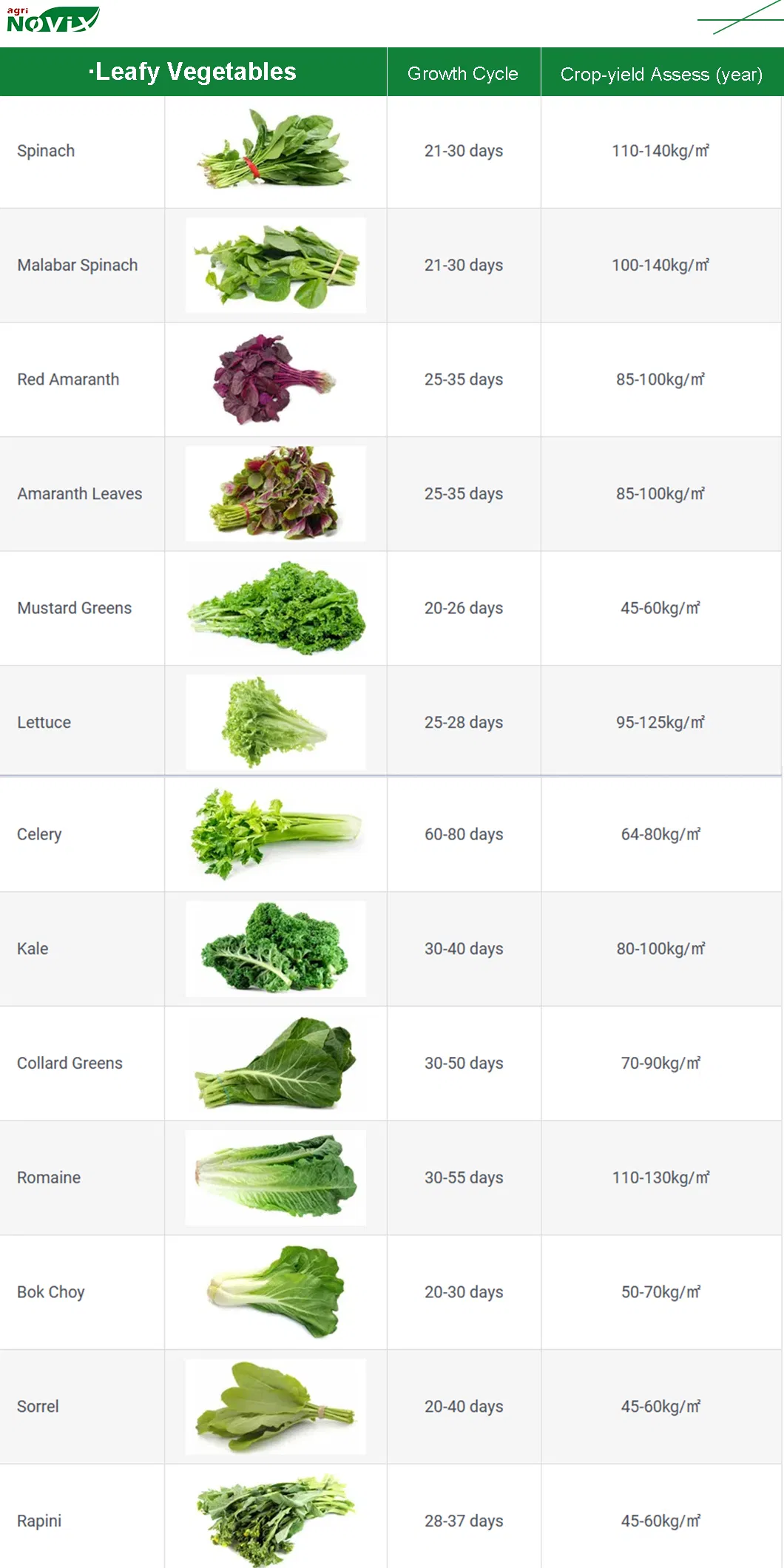
🥬 Suitable for Various Leafy Vegetables
🌍 Product Application Scenarios
🏭 Advanced Production Facilities
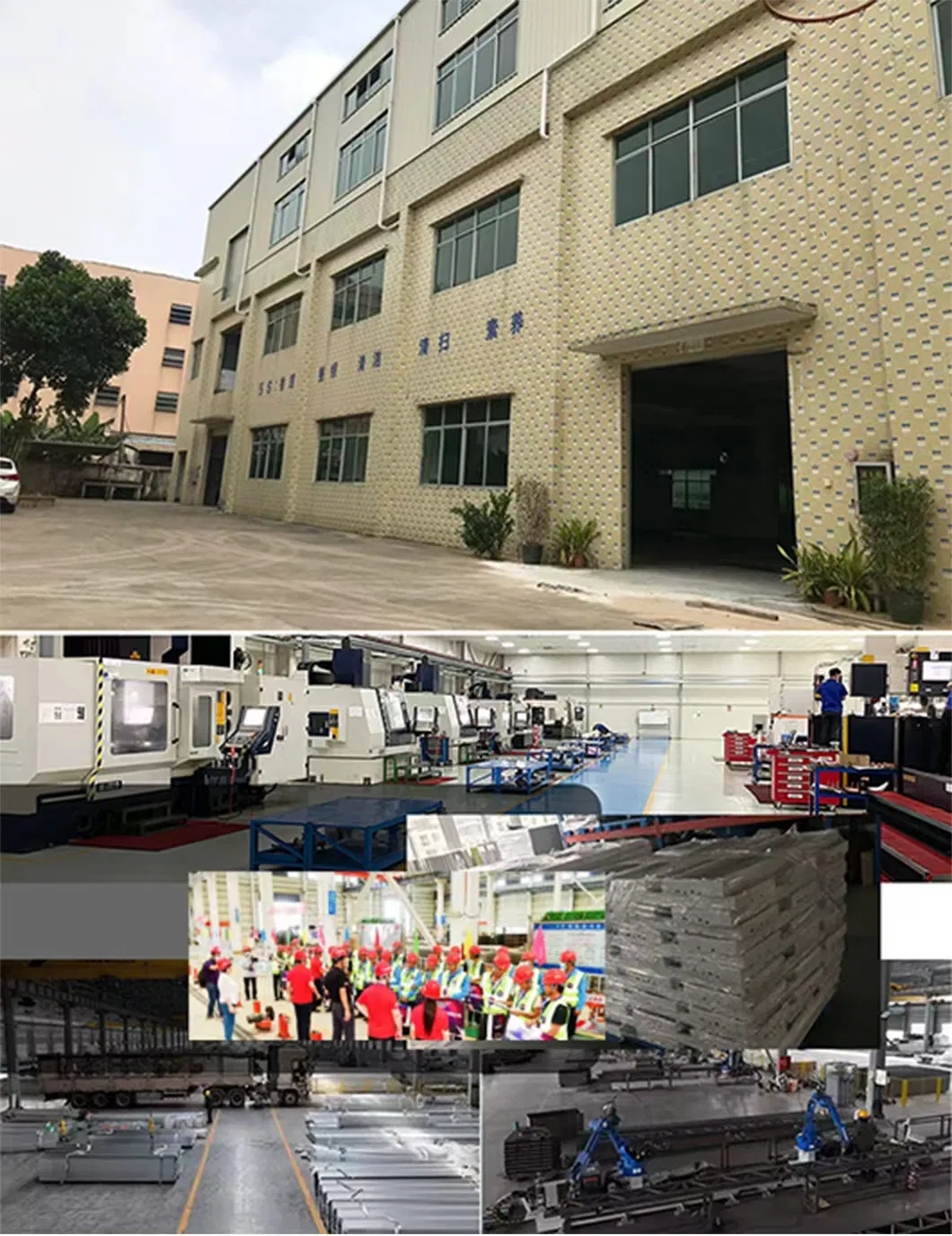
The manufacturing center is equipped with specialized production zones dedicated to high-performance containerized plant factory systems:
- Steel Structure Zone: Precision cutting and assembly of insulated container shells.
- LED & Rack Line: Manufacturing multi-layer growing racks and full-spectrum LED systems.
- Climate Integration Area: Assembling HVAC units, CO2 dosing, and dehumidifiers.
- Smart Lab: Calibration of controllers, nutrient sensors, and IoT modules.
- Quality Validation: Light uniformity tests and 24-hour system simulations.
🔬 Quality Control & System Testing
Every container plant factory undergoes rigorous multi-stage inspection before delivery, including structural insulation tests, nutrient flow calibration, environmental stability tests, and automation verification to ensure 100% operational reliability.
❓ Frequently Asked Questions
Q1: Does the smart hydroponic container require installation?
A: No on-site construction is needed. All electrical and piping systems are pre-installed. Simply connect water and power - it's plug and play.
Q2: What crops can be grown in the container?
A: It supports leafy greens, strawberries, herbs, tomatoes, peppers, and fodder crops. Modules can be customized for different plant types.
Q3: What is the production capacity of a 40ft container?
A: For leafy greens, around 2,000-2,400 plants per cycle, with a 25-30 day harvest cycle - allowing year-round continuous production.
Q4: How does the system control the environment and nutrients?
A: The intelligent control system automatically monitors temperature, humidity, light, CO2, pH, and EC, adjusting fans, lighting, and pumps for precise cultivation.
Q5: Is the power consumption high? How is it powered?
A: It uses energy-efficient LEDs and inverter devices. Optional solar panels and battery storage enable partial self-supply, reducing energy use significantly.
Q6: Can it be operated remotely?
A: Yes. You can access the system remotely via mobile app or PC to monitor data and control operations in real time.
 Colvanta Print