Colvanta Print
1 / 5
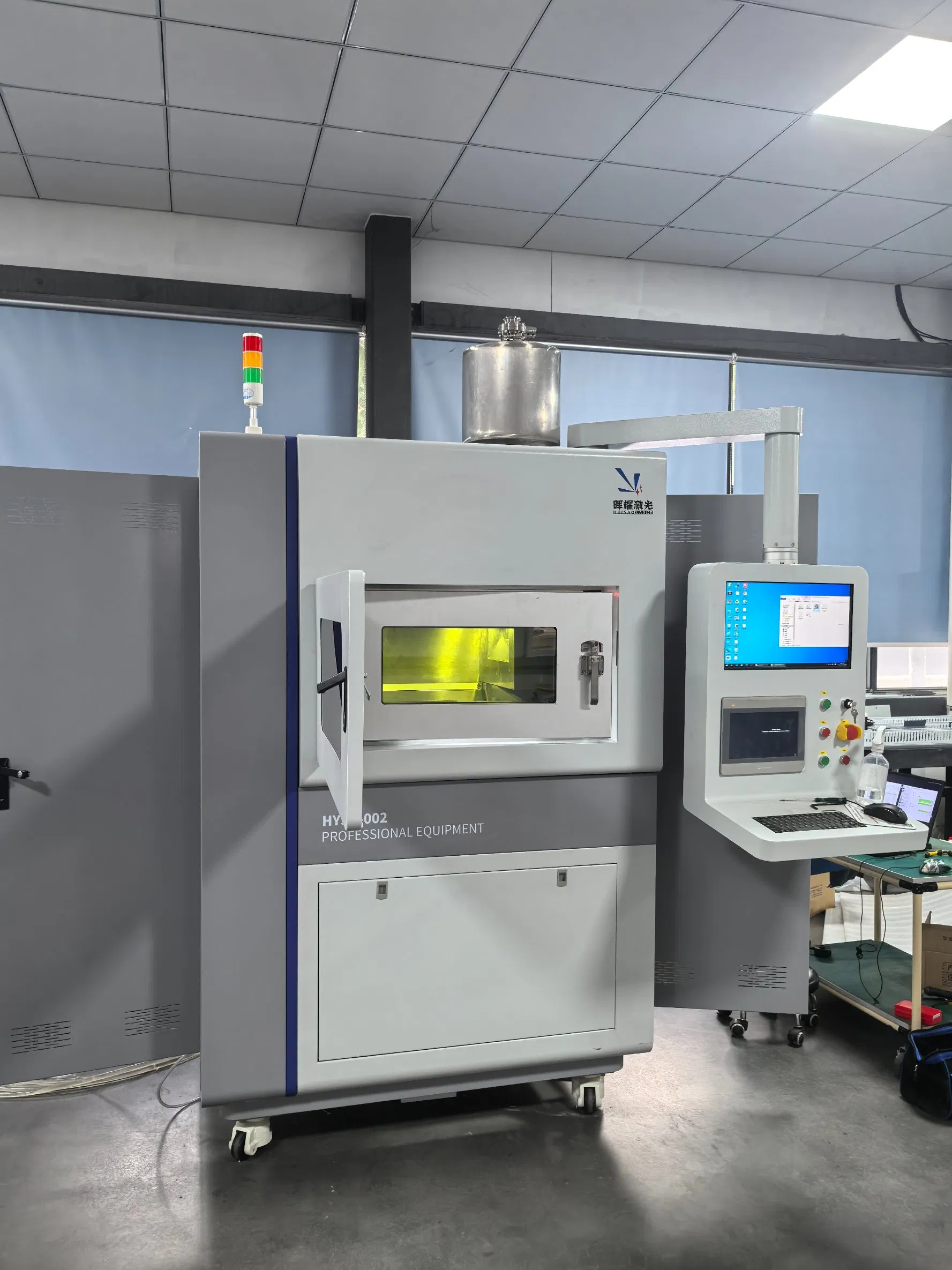
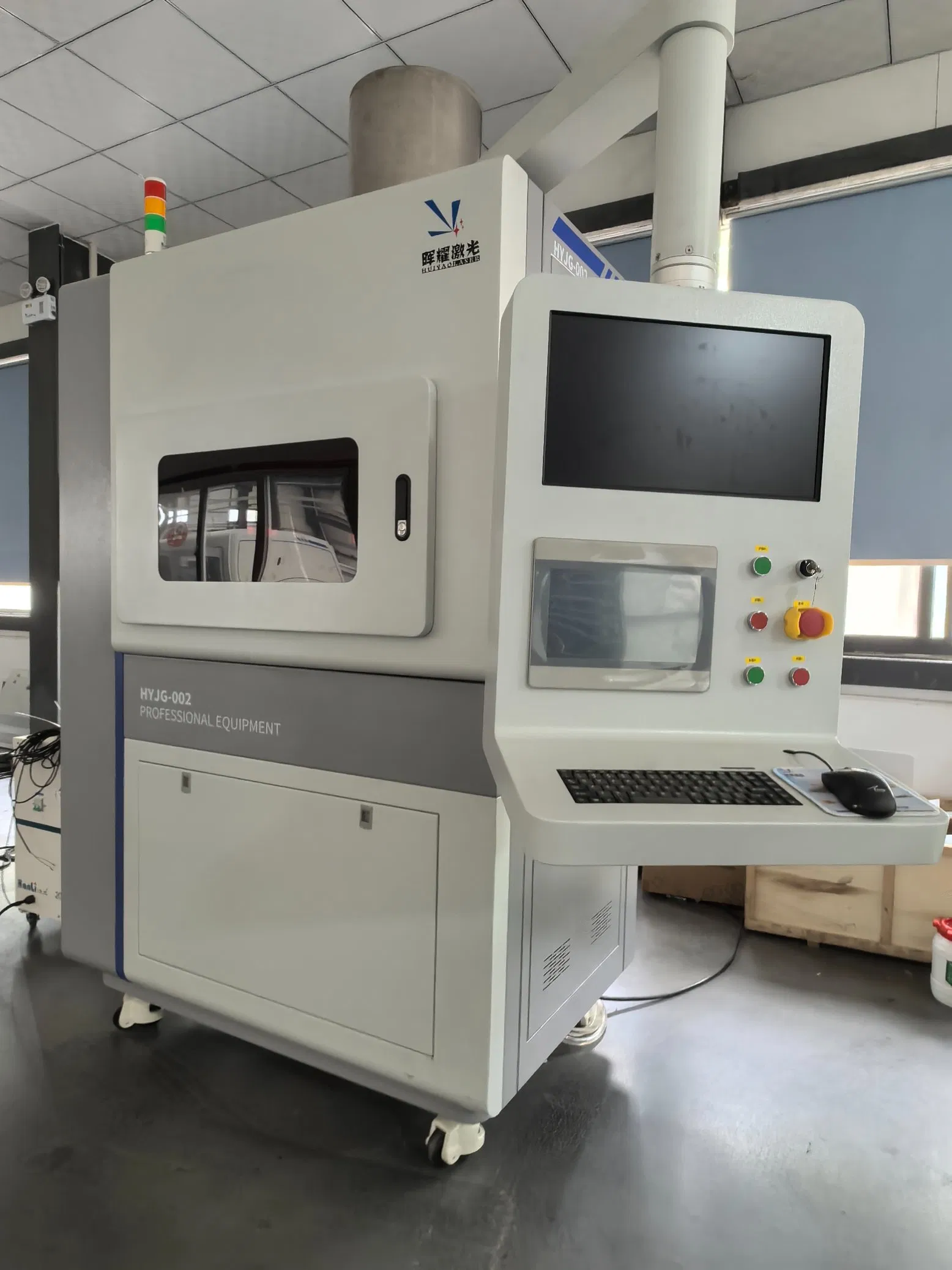
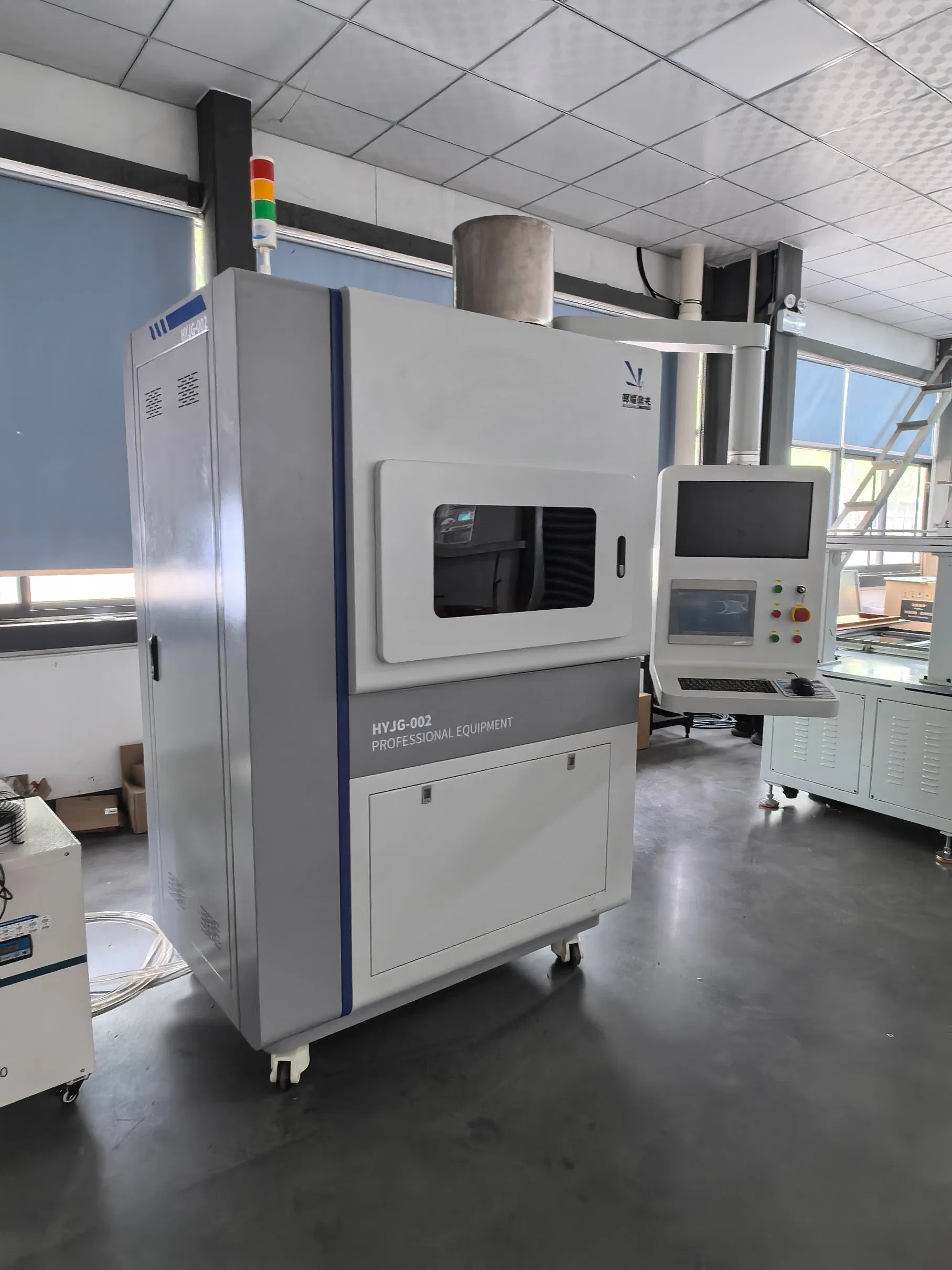
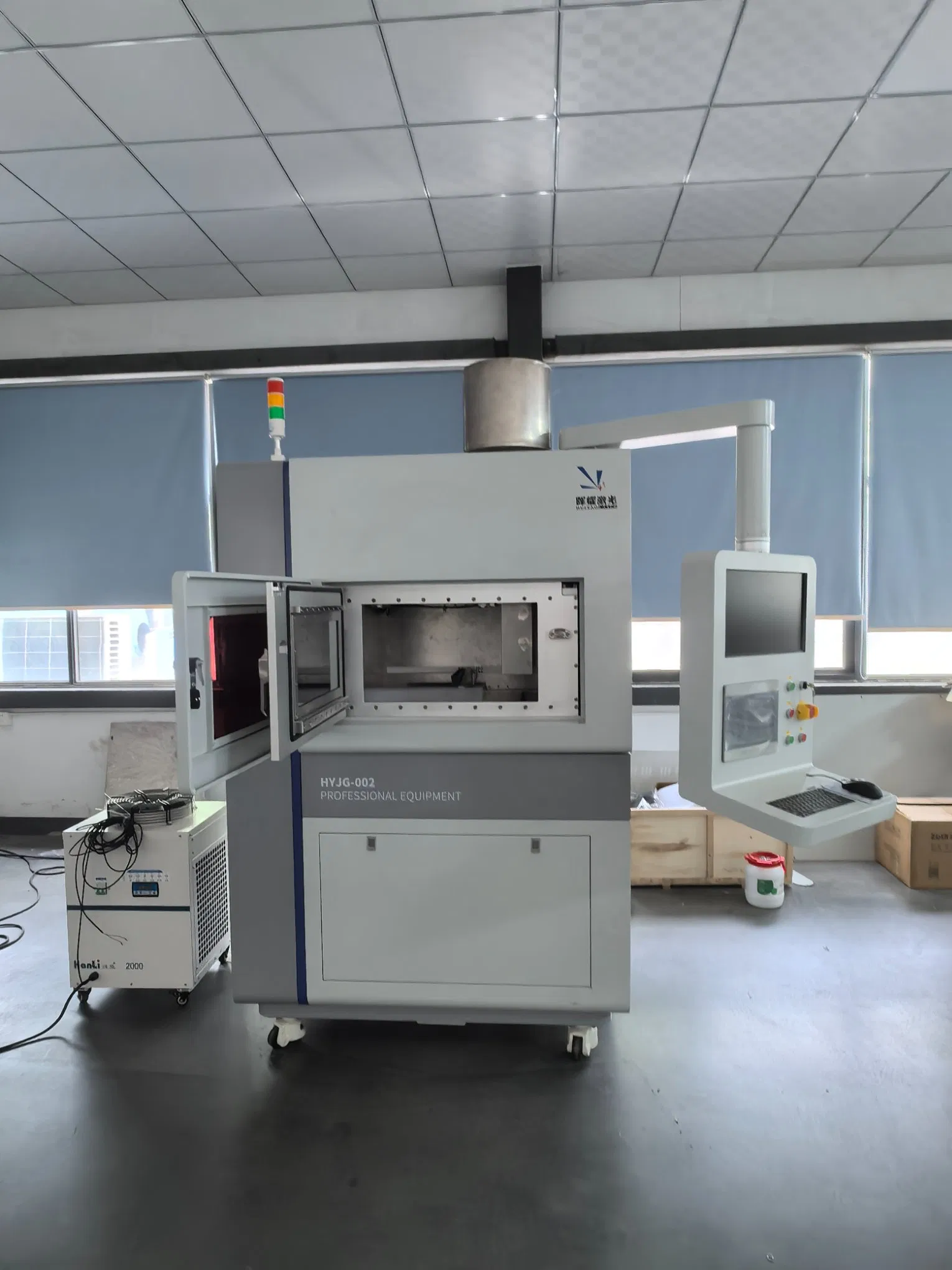
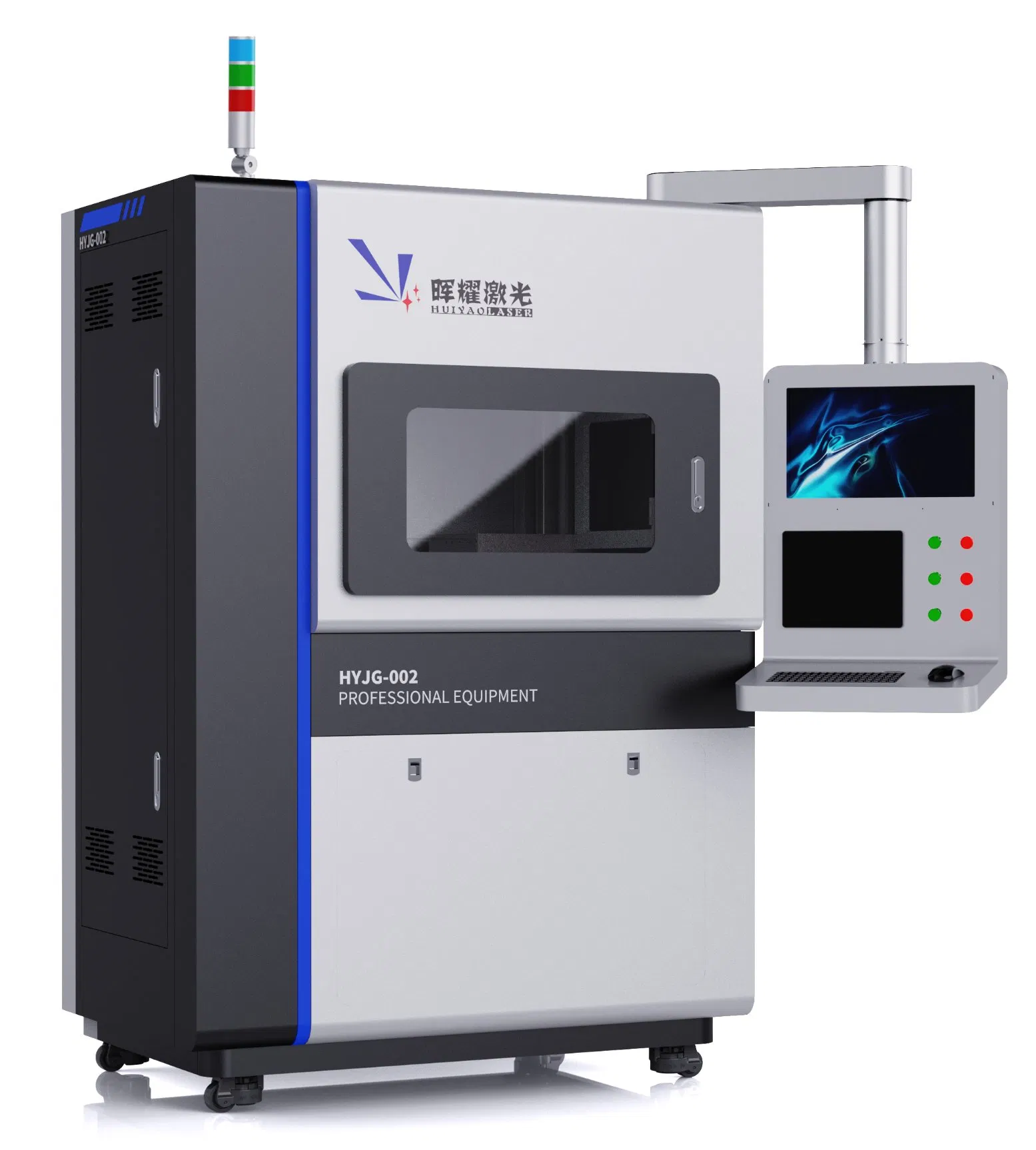
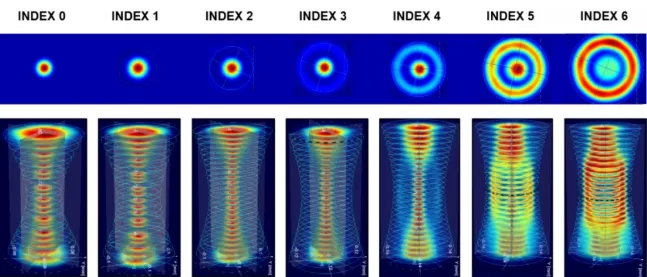
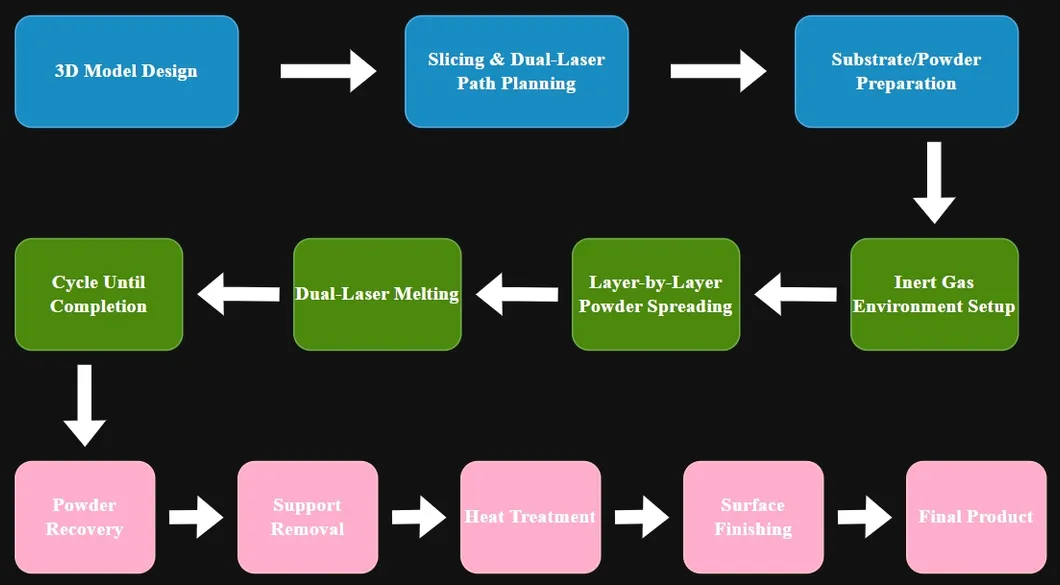
The SLM Dual-Laser Metal 3D Printer is a high-efficiency, intelligent, and customized industrial-grade additive manufacturing system specifically designed for aerospace, medical implants, and precision tooling. By integrating dual-laser dynamic coupling technology (500W primary laser + 200W secondary laser), closed-loop powder management (powder utilization rate ≥95.7%), and intelligent quality monitoring (melt pool spectral analysis ±10ºC), the system reliably produces titanium alloy orthopedic implants with 50-200μm porous structures, nickel-based superalloy turbine blades featuring 0.3mm internal cooling channels, and conformal cooling injection molds, complying with ISO/ASTM 52900 additive manufacturing standards and NADCAP aerospace certification requirements.
| Parameter | Specification |
|---|---|
| Model | SLM Dual-Laser |
| Laser | IPG 500W / Domestic Laser |
| Build Size | Diameter 252mm |
| Spot Size | ≈40μm |
| Scanning System | ScanLab |
| Layer Thickness | 0.02-0.05mm |
| Part Density | 99%-100% |
| Accuracy | ±0.1mm |
| Surface Roughness | Ra 6-15μm |
| Total Power | 8KW/9KW |
| Compatible Materials | Stainless Steel, High-Temperature Alloys, Titanium Alloys, Aluminum Alloys, etc. |
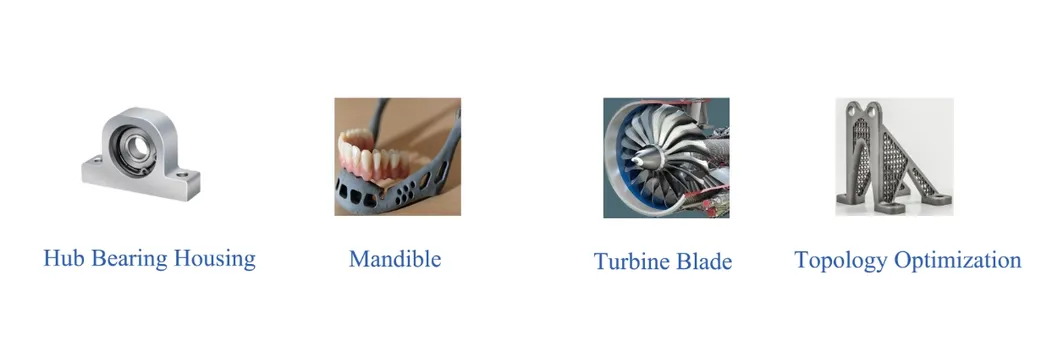
1. Complex Precision Manufacturing: Medical Implants (porous structures for osseointegration), Aerospace Components (turbine blades with internal cooling), Industrial Molds (conformal cooling).
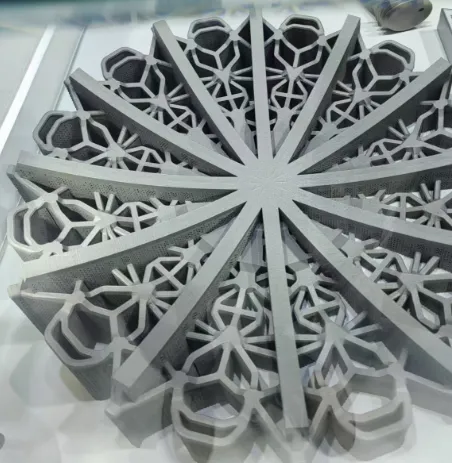
2. Rapid Prototyping: Acoustic metamaterial lattice structures and functional test pieces for fuel cells.
3. Low-Volume Customization: Topology-optimized racing components and high-end integrated vacuum chambers.
- Material parameter package customization (30+ metal powders).
- Equipment operation certification training (ISO/ASTM 52920).
- 24/7 remote diagnostics and 48-hour spare parts supply.
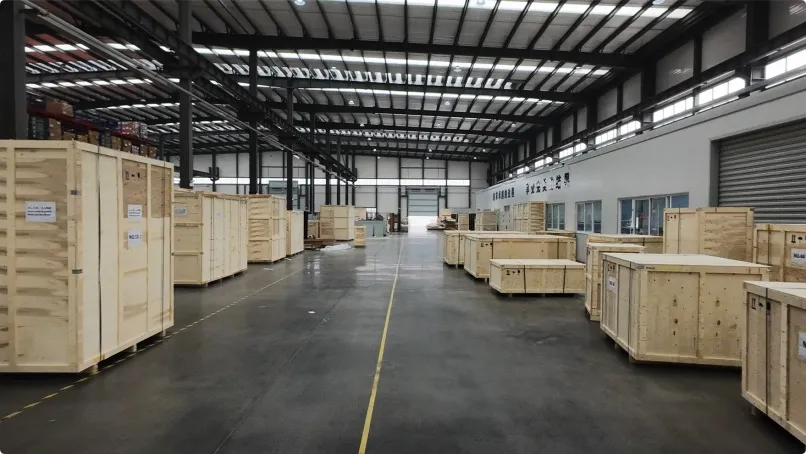
Every system is meticulously packaged in heavy-duty wooden crates with anti-vibration reinforcement. Our logistics network ensures safe delivery to over 50 countries.
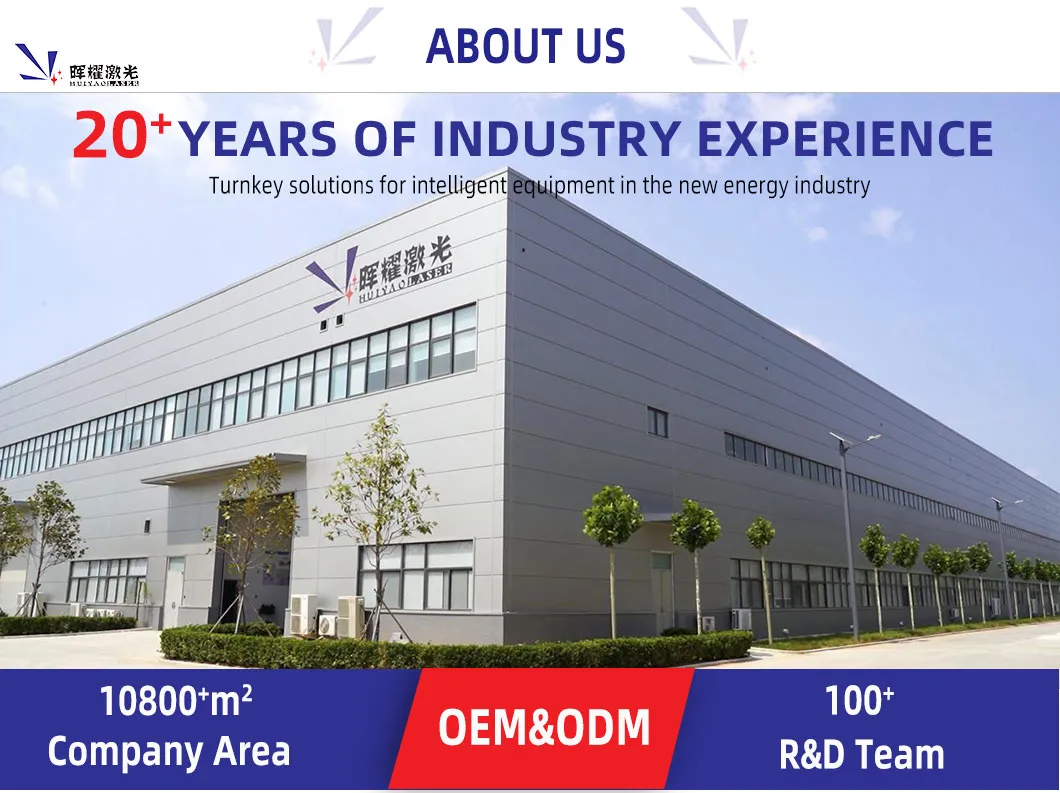
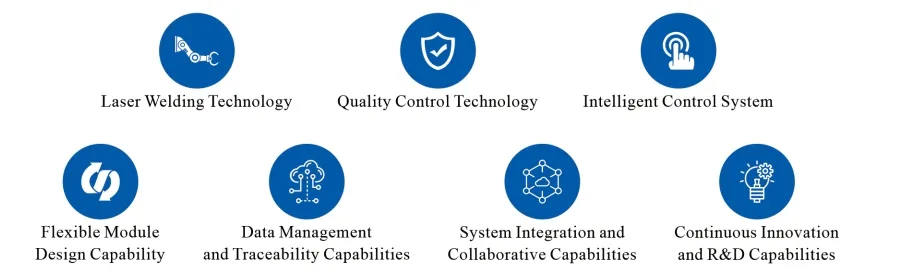
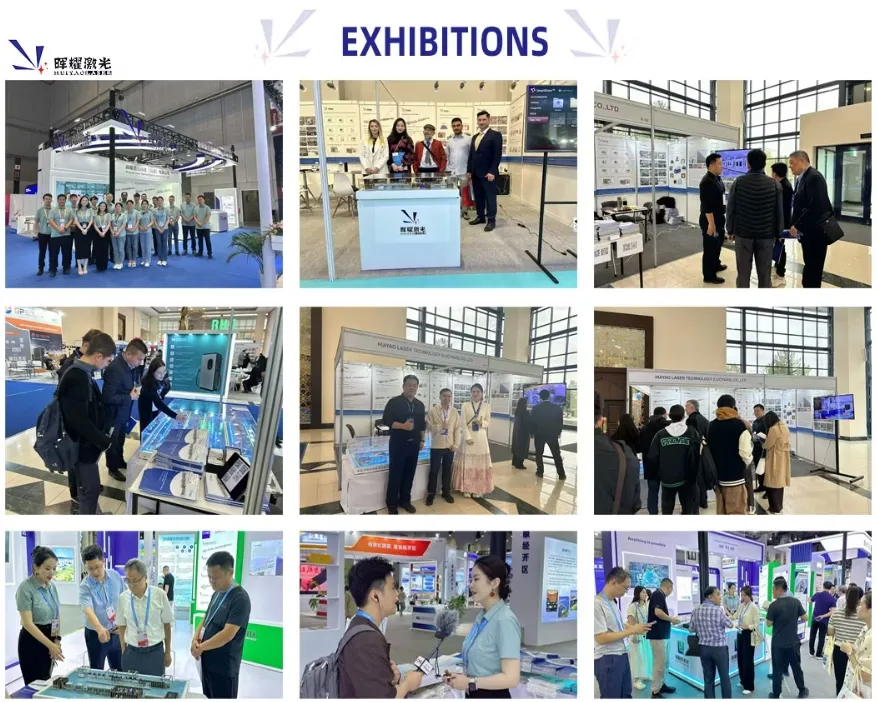
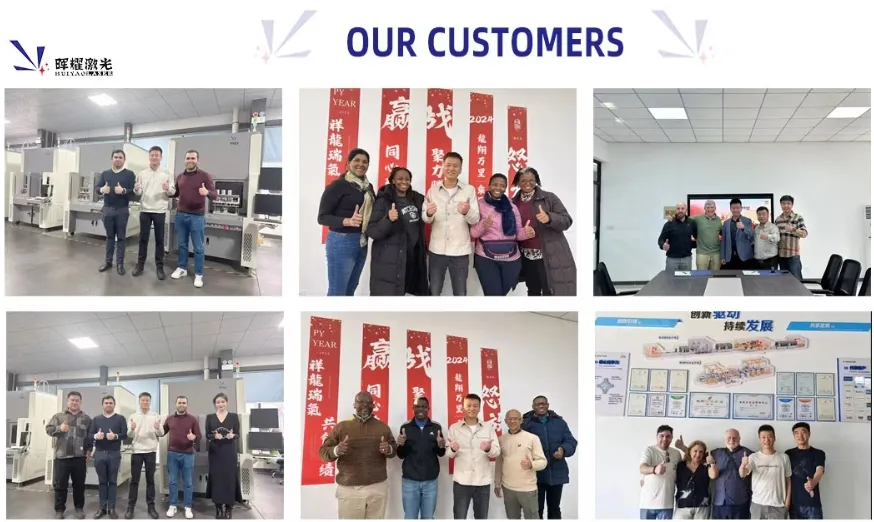
Our facility is an industry-leading manufacturer of intelligent equipment and SLM dual-laser 3D printing systems. We provide innovative turnkey solutions for metal additive manufacturing, focusing on precision, efficiency, and Industry 4.0 integration.