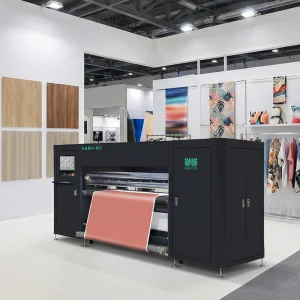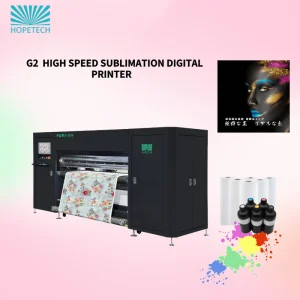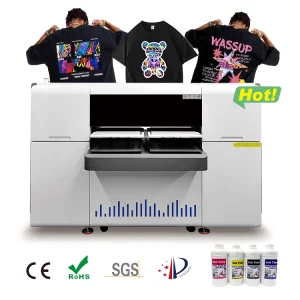
Namibia is rapidly positioning itself as a strategic trade corridor and manufacturing gateway within the Southern African Development Community (SADC). Traditionally reliant on garment imports, the nation is undergoing a structural transition toward domestic production. Driven by the expansion of Special Economic Zones (SEZs) at the Port of Walvis Bay and Windhoek, local enterprises are looking to localise apparel fabrication, promotional sportswear, and traditional print manufacturing.
However, Namibia’s unique environmental challenge—being the most arid sub-Saharan African nation—demands sustainable, water-saving industrial strategies. Traditional wet-dyeing processes are not ecologically viable. Modern Direct-to-Film (DTF) and Dye-Sublimation printing systems act as a green alternative. They use closed-loop ink designs and waterless fixing methods, and perform efficiently under Namibia's variable dry temperatures.
Replacing overseas printing pipelines with localized digital printing arrays reduces turnaround times from 6 weeks to 48 hours for Namibian and SADC buyers.
Digital textile printing systems enable on-demand micro-runs. This eliminates costly warehousing logistics and inventory risks for local fashion start-ups.
Our systems use OEKO-TEX compliant ink systems. This ensures your apparel exports meet the strict compliance requirements of the EU and North American markets under the AGOA framework.
Shenzhen Colvanta Print Co., Ltd. is a professional digital printing machine manufacturer based in Shenzhen, China, specializing in advanced DTF, DTG, and UV DTF printing equipment. With a strong focus on innovation, efficiency, and reliability, the company provides comprehensive printing solutions for global customers in the garment, advertising, and customized product industries.
Colvanta Print integrates cutting-edge technology with practical application needs, offering a wide range of machines designed for high-quality textile printing, heat transfer production, and multi-surface customization. Its product line supports various materials including cotton, polyester, blends, leather, and hard surfaces, enabling businesses to expand their product offerings with flexibility.
Beyond equipment supply, the company delivers end-to-end solutions, covering technical support, workflow optimization, color management, and after-sales service. Whether for startups, print shops, or large-scale manufacturers, Colvanta ensures stable performance, user-friendly operation, and consistent output quality.
Committed to continuous R&D and strict quality control, Shenzhen Colvanta Print Co., Ltd. aims to help clients reduce production costs, improve efficiency, and scale their printing business in a competitive market. With global export experience and customer-oriented service, Colvanta Print is dedicated to becoming a trusted partner in the digital printing industry.
Contact Colvanta Technical Support Team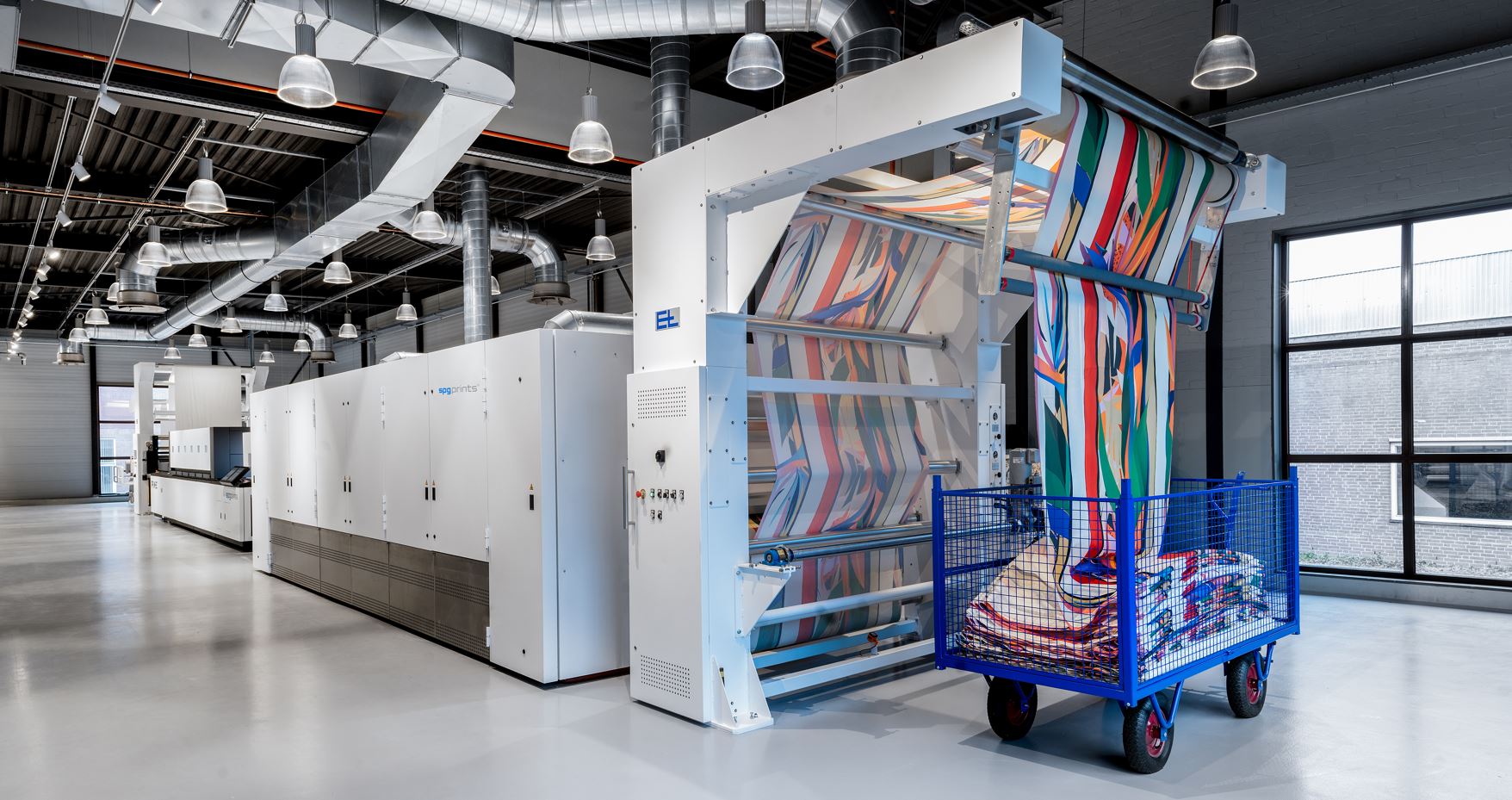
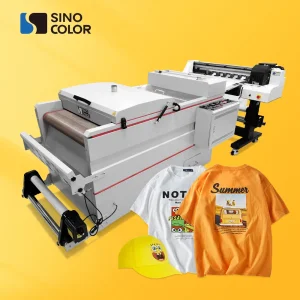
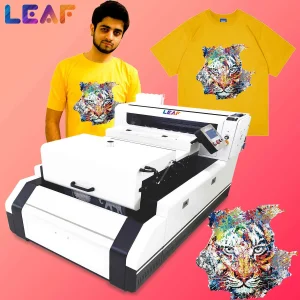
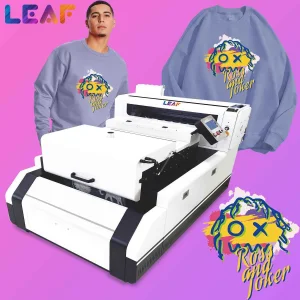
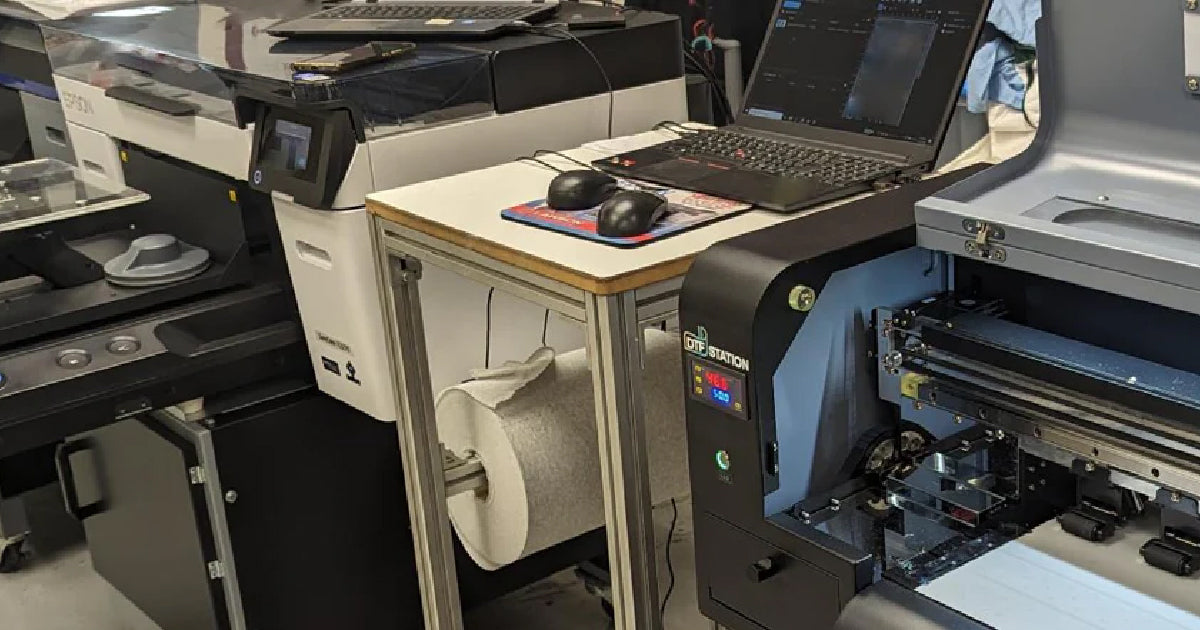
Digital direct printing hardware requires precise thermal and barometric conditions to maintain stable ink viscosity and jetting consistency. Under dry atmospheric conditions like those in Windhoek, print heads run the risk of premature ink drying at the nozzles, causing horizontal banding and color shift.
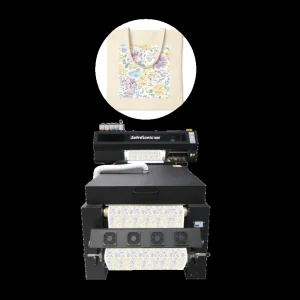
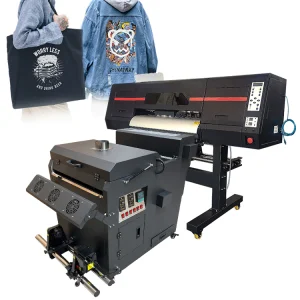
To mitigate these environmental risks, Colvanta Print integrates Auto-Cleaning Cap Systems and White Ink Continuous Circulation Systems into its dual Epson i3200 head printer range. The localized configurations feature:
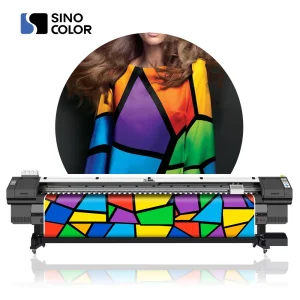
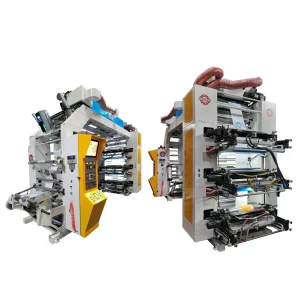
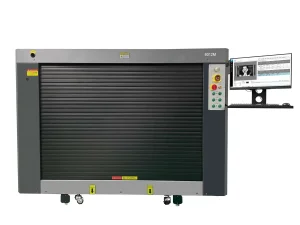
Migrating traditional screens to Laser Direct Imaging (LDI) units. This eliminates chemical developer waste, reduces setup times, and lowers emissions in industrial areas.
Using eco-friendly inks formulated to print directly onto polyester, poly-cotton blends, and organic cotton. This supports sustainable production practices.
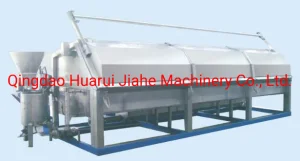
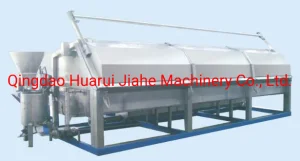
Using automatic powder feeding and dissolving systems to reduce raw dye loss, automate powder delivery, and improve safety in processing lines.
Dry climates increase water evaporation in water-based inks, which can lead to clogged printhead nozzles. Colvanta systems address this with an enclosed ink delivery pathway, built-in capping stations, and continuous circulation. We also recommend operating systems in temp-regulated environments (20-28°C) with 50-60% relative humidity to ensure consistent printing.
Dye-sublimation ink binds directly to polyester molecules. For cotton fabrics, we recommend DTF (Direct-to-Film) printing instead. DTF printing applies a thin, stretchable adhesive layer to the back of the print, allowing it to adhere to cotton, canvas, polyester, and blend fabrics.
Our mid-range units operate on standard 220V 50Hz single-phase power. Larger, high-capacity industrial machines and powder shaker dryers require 3-phase 380V power configurations. We can customize power supplies to match regional grids, and recommend installing voltage stabilizers to protect electronics from power fluctuations.
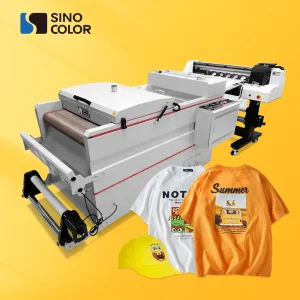
Automated powder feeding systems ensure an even layer of TPU powder is applied to the film, while also recycling excess powder. This reduces powder waste, guarantees consistent curing in the dryer, and ensures consistent hand-feel across all print runs.
 Colvanta Print