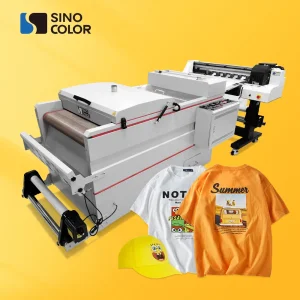
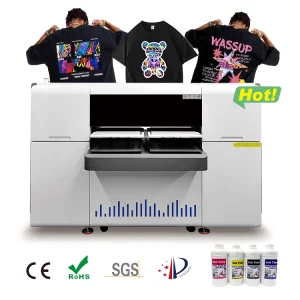
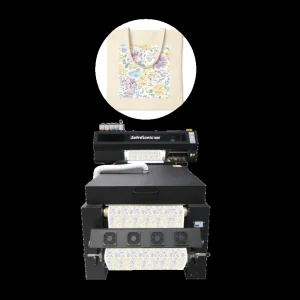
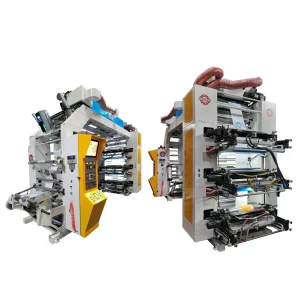
Seoul, South Korea, has long been recognized as a global epicenter for fashion and technology. From the bustling streets of Dongdaemun Fashion Market to the high-tech industrial complexes in Gasan and Seongsu-dong, the demand for rapid, high-quality textile production has never been higher. As a leading Textile Direct Printing Systems Supplier in Seoul, we understand that the local market thrives on the "Pali-Pali" (hurry-hurry) culture, where turnaround times for custom K-Pop apparel and high-street fashion are measured in hours, not weeks.
Modern textile factories in Seoul are transitioning from traditional screen printing to advanced Digital Direct-to-Garment (DTG) and Direct-to-Film (DTF) systems. This shift is driven by the need for sustainable production, small-batch customization, and the intricate detailing required by modern Korean design aesthetics. Our systems are specifically engineered to meet these rigorous standards, offering AI-enhanced color matching and automated maintenance protocols that ensure 24/7 reliability in Seoul's competitive industrial landscape.
Our systems utilize neural networks to analyze and adjust color profiles in real-time, ensuring perfect brand color replication for Seoul's top fashion labels.
Complying with South Korea's strict environmental regulations, our printers reduce water waste by 90% compared to traditional dyeing methods.
Designed for the "Fast Fashion" capital, our Seoul-optimized machines deliver up to 200m² per hour without compromising on resolution.
The versatility of Textile Direct Printing Systems in Seoul extends far beyond simple t-shirt printing. In the heart of Gangnam's luxury boutiques, designers are using our UV-DTF systems to create bespoke leather goods and high-end accessories. Meanwhile, in the vibrant fan-culture hubs, micro-factories are producing limited edition K-Pop merchandise using our rapid DTF transfer systems, allowing fans to purchase customized jerseys within minutes of a concert announcement.
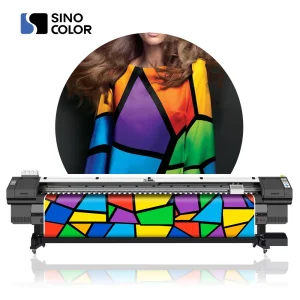
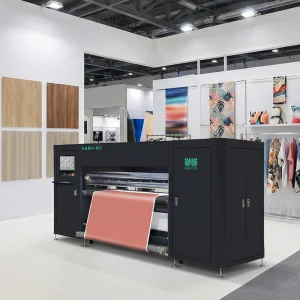
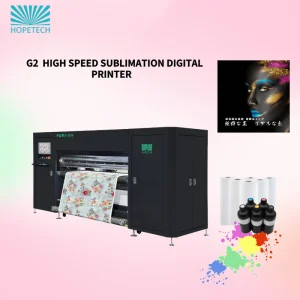
Furthermore, Seoul's interior design industry is seeing a massive surge in demand for custom-printed upholstery and wall coverings. Our 3.2m wide-format sublimation printers are the go-to choice for Seoul-based interior studios looking to provide unique, localized patterns for the city's luxury apartments and corporate offices. By integrating IoT-enabled sensors, our machines allow Seoul factory managers to monitor production from their smartphones, fitting perfectly into the city's hyper-connected lifestyle.
Shenzhen Colvanta Print Co., Ltd. is a professional digital printing machine manufacturer based in Shenzhen, China, specializing in advanced DTF, DTG, and UV DTF printing equipment. With a strong focus on innovation, efficiency, and reliability, the company provides comprehensive printing solutions for global customers in the garment, advertising, and customized product industries.
Colvanta Print integrates cutting-edge technology with practical application needs, offering a wide range of machines designed for high-quality textile printing, heat transfer production, and multi-surface customization. Its product line supports various materials including cotton, polyester, blends, leather, and hard surfaces, enabling businesses to expand their product offerings with flexibility.
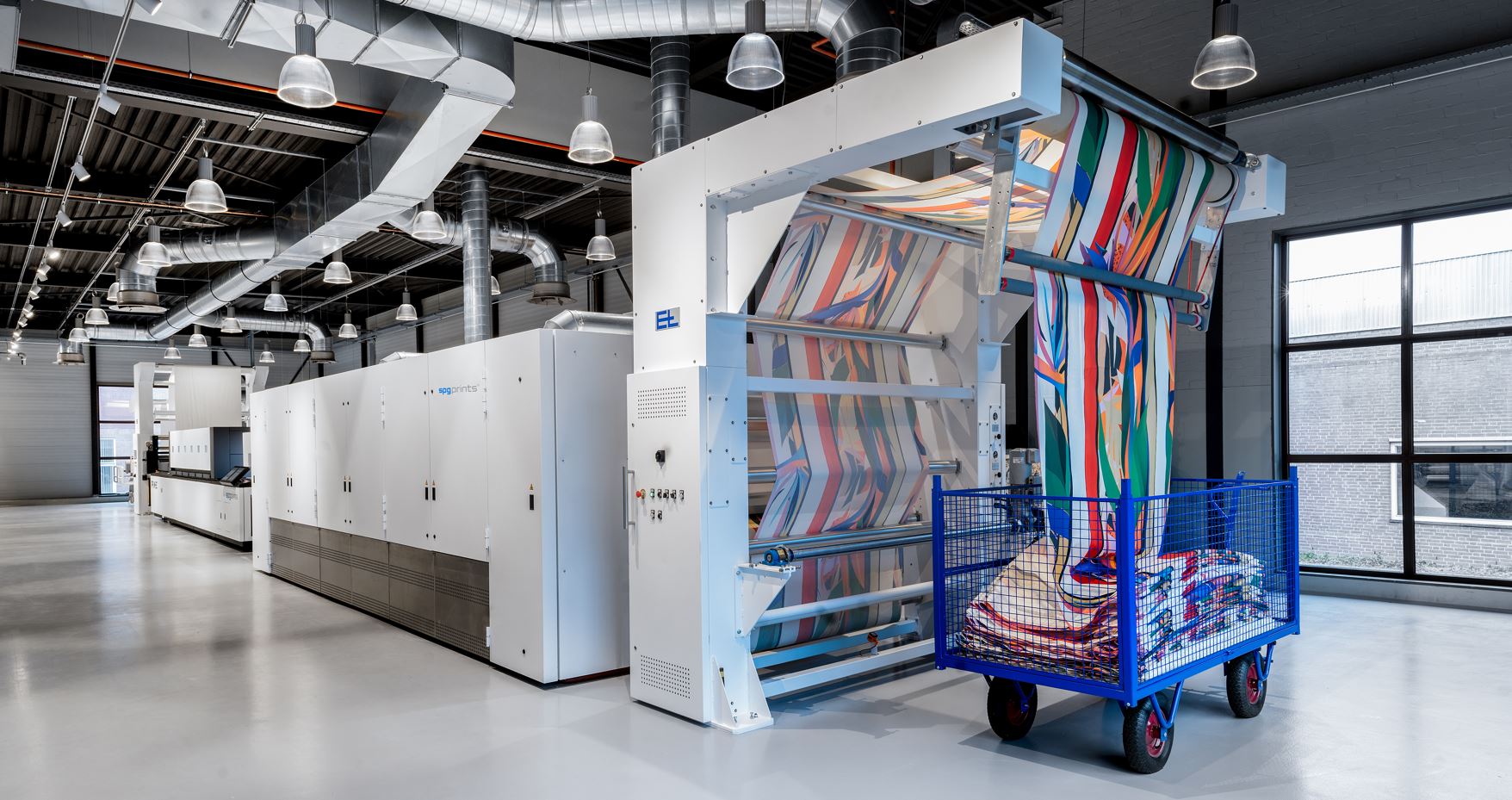
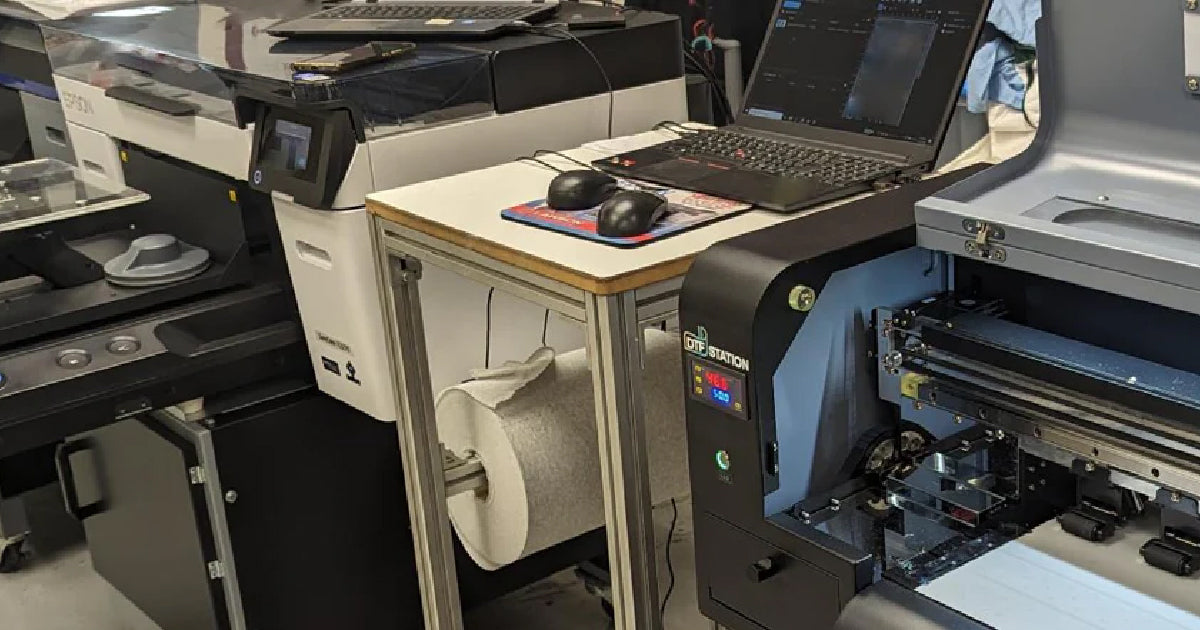
Beyond equipment supply, the company delivers end-to-end solutions, covering technical support, workflow optimization, color management, and after-sales service. Whether for startups, print shops, or large-scale manufacturers, Colvanta ensures stable performance, user-friendly operation, and consistent output quality.
Committed to continuous R&D and strict quality control, Shenzhen Colvanta Print Co., Ltd. aims to help clients reduce production costs, improve efficiency, and scale their printing business in a competitive market. With global export experience and customer-oriented service, Colvanta Print is dedicated to becoming a trusted partner in the digital printing industry.
As we look toward 2025, the textile direct printing industry in Seoul is pivoting toward hyper-personalization. The integration of Generative AI in design workflows is allowing consumers to create one-of-a-kind garments that are printed on-demand. Our machines are already equipped with API interfaces that connect directly to these AI design platforms, enabling a seamless "Design-to-Print" ecosystem.
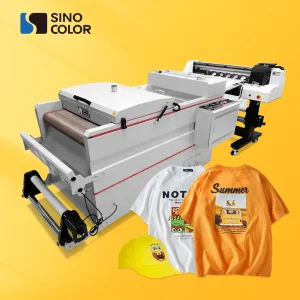
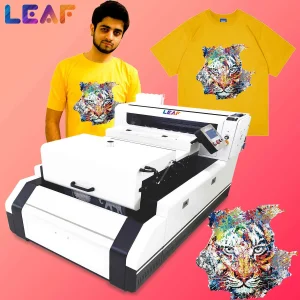
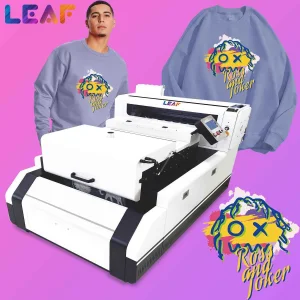
Another major trend is the development of "Micro-Factories" within Seoul’s urban centers. Instead of large, sprawling industrial parks far from the city, printing centers are moving closer to the consumer. This reduces logistics costs and the carbon footprint. Our compact yet powerful 60cm DTF systems are designed specifically for these urban environments, offering industrial-grade output in a space-saving footprint.
When selecting a Textile Direct Printing Systems Factory in Seoul, technical specifications are paramount. Our systems are built on a foundation of robust mechanical engineering and sophisticated software. The use of Dual Epson i3200 Printheads ensures that even at high speeds, the droplet size remains consistent, resulting in sharp gradients and vibrant colors that are essential for the high-definition graphics common in K-Fashion.
The White Ink Circulation System is another critical feature for the Seoul market. Given the humidity fluctuations in the Korean peninsula, white ink can often clog standard printers. Our advanced circulation system keeps the pigment in motion, preventing sedimentation and ensuring that the white under-base of a DTF transfer is always solid and opaque, even after the machine has been idle over a weekend.
Furthermore, we provide local technical support in Seoul. We recognize that an hour of downtime in a Dongdaemun-linked factory can result in thousands of dollars in lost revenue. Our local engineers are trained to provide rapid response times, and our machines are designed with modular components that can be easily replaced by the operator, minimizing the need for lengthy service calls.
In terms of software integration, our systems support the latest RIP (Raster Image Processor) software, which is widely used by Korean designers. This software allows for granular control over ink consumption, helping Seoul businesses maintain high margins by reducing ink waste. The ability to calculate the exact cost per print before starting the job is a feature that our Seoul clients find indispensable for their financial planning.
 Colvanta Print