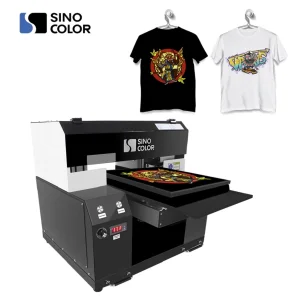
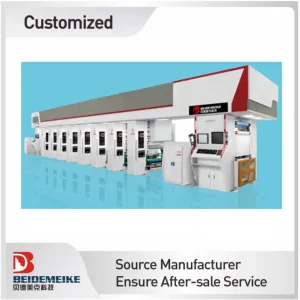
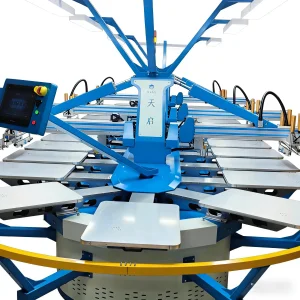
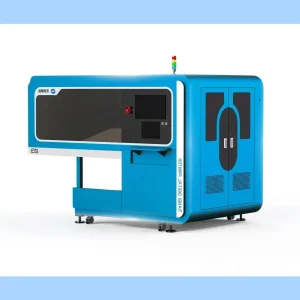
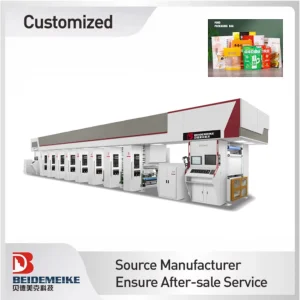
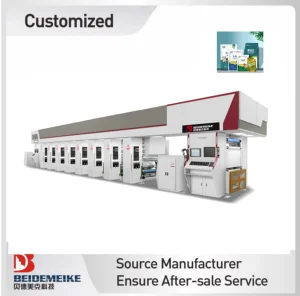
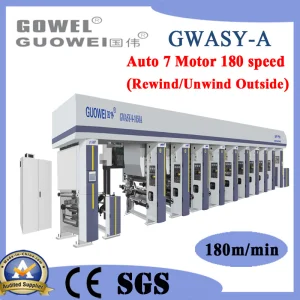
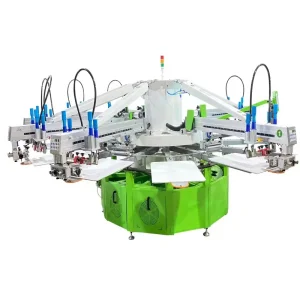
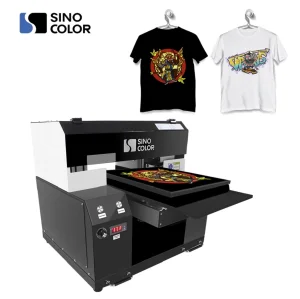
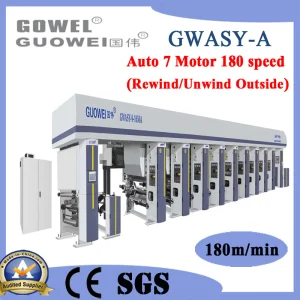
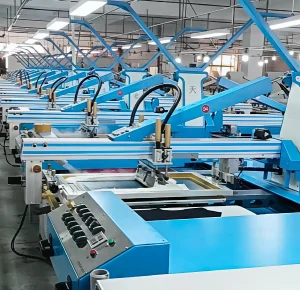
Multi-color Textile Printing Equipment Supplier & Exporters serving the Equatorial Guinea market

High-Capacity Digital Textile, Screen & Gravure Printing Systems Engineered for Tropical Climates & West African Industrial Modernization

15+
Years Printing Engineering
100%
CEMAC Trade & Power Compliant
400m/m
High-Speed Industrial Output
24/7
Remote Diagnostic Systems

Industrial Transformation in Equatorial Guinea: The Shift to On-Demand Production

Equatorial Guinea, traditionally centered around oil extraction, is actively executing its economic diversification program, "Horizonte 2035". A crucial cornerstone of this national strategy is the stimulation of domestic light manufacturing and packaging. Historically, textile goods, corporate uniforms, and food packaging materials were imported from neighboring Cameroon, Gabon, or directly from Europe. This dynamic, however, exposed local enterprises to severe supply chain delays and currency exchange instabilities within the CEMAC region.

The introduction of high-efficiency, multi-color textile printing and rotogravure packaging equipment marks a pivotal shift. By establishing domestic production facilities in urban hubs like Malabo (Bioko Island) and the port city of Bata, enterprises can eliminate import tariffs and reduce lead times from weeks to hours. This local capacity expansion covers everything from custom cotton wear to automated flexible plastic packaging, supporting local fast-moving consumer goods (FMCG) sectors.

“Transitioning from external sourcing to domestic production enables local businesses in Equatorial Guinea to maintain zero-inventory models, adapting in real time to the shifting purchasing patterns of the Central African market.”

Technical Challenges in Tropical Manufacturing: Overcoming Climate & Infrastructure Obstacles

Operating precision electronic printing machinery in the Gulf of Guinea requires specific engineering adjustments. Equatorial Guinea features a tropical maritime climate characterized by high relative humidity (often exceeding 85%) and constant ambient temperatures near 26°C. These conditions present unique operational hazards:

  • Ink Viscosity Stabilization: High humidity alters the water-evaporation rates in water-based inks and changes the cure profiles of DTF and DTG reactive chemistry.
  • Condensation on Electronic Components: Precision printheads (like Kyocera or Epson units) and mainboards are prone to micro-condensation, leading to short-circuits.
  • Power Grid Fluctuations: Both Malabo and Bata experience voltage drops and surges, which can catastrophically damage servo motors and driving shafts.

To address these challenges, our equipment supplied to Equatorial Guinea features tropicalized engineering components: humidity-resistant insulated harnesses, integrated ink heating and circulation loops, and heavy-duty, clean-power voltage regulators configured specifically for West African electrical standards.
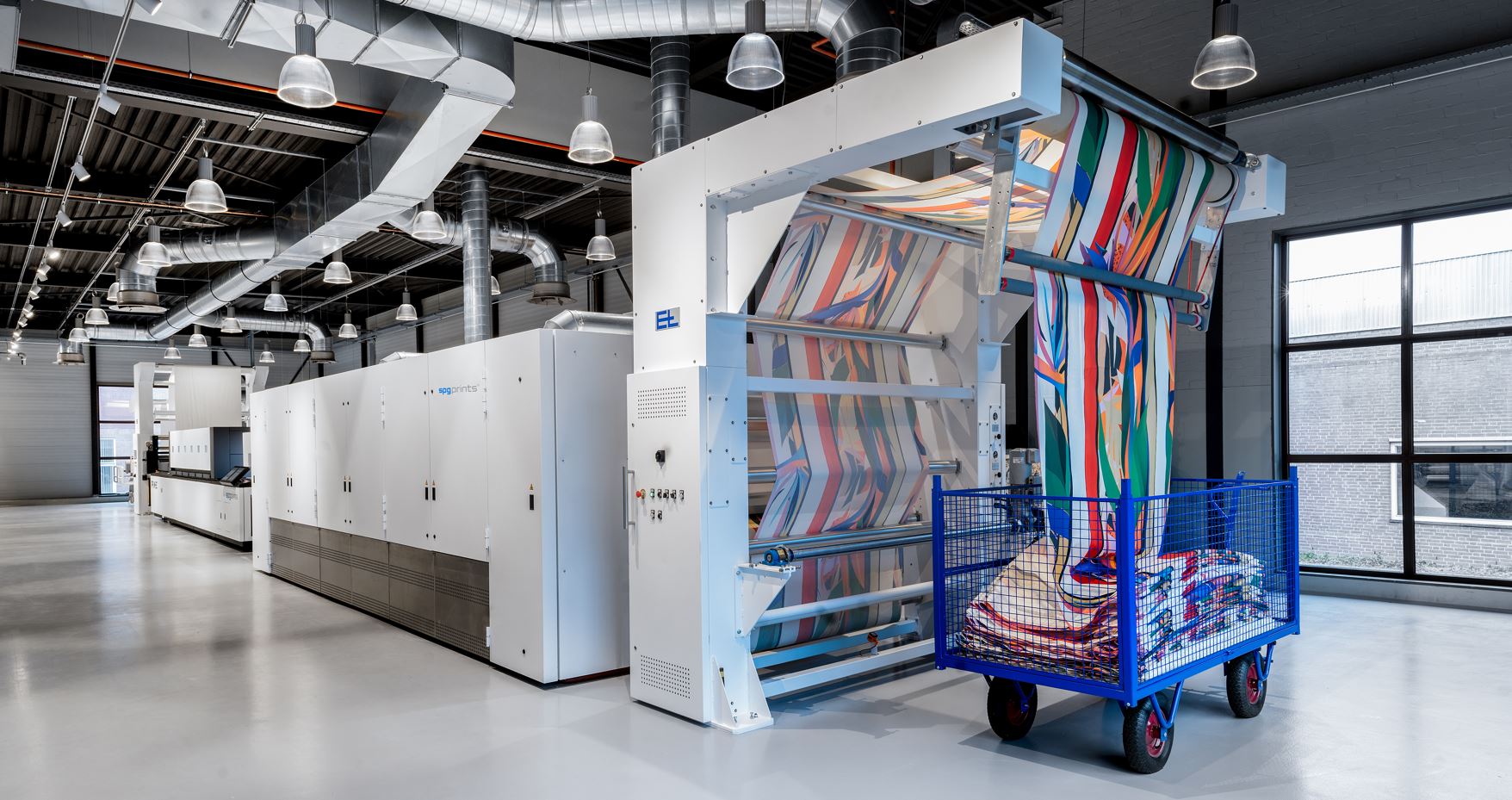
Climate-Resistant Design
Anti-condensation control boards and sealed electronic bays prevent high-humidity damage in tropical coastal environments.
Stable Ink Circulation
Negative pressure white-ink recirculation loops prevent sedimentation and nozzle clogging during humid operational cycles.
Power Stabilization
Standard inclusion of industrial isolation transformers and heavy-duty contactors to handle localized grid irregularities.

Original Corporate Profile & Production Capacities

Shenzhen Colvanta Print Factory Production Floor

Shenzhen Colvanta Print Co., Ltd. is a professional digital printing machine manufacturer based in Shenzhen, China, specializing in advanced DTF, DTG, and UV DTF printing equipment. With a strong focus on innovation, efficiency, and reliability, the company provides comprehensive printing solutions for global customers in the garment, advertising, and customized product industries.

Colvanta Print integrates cutting-edge technology with practical application needs, offering a wide range of machines designed for high-quality textile printing, heat transfer production, and multi-surface customization. Its product line supports various materials including cotton, polyester, blends, leather, and hard surfaces, enabling businesses to expand their product offerings with flexibility.

Beyond equipment supply, the company delivers end-to-end solutions, covering technical support, workflow optimization, color management, and after-sales service. Whether for startups, print shops, or large-scale manufacturers, Colvanta ensures stable performance, user-friendly operation, and consistent output quality.

Committed to continuous R&D and strict quality control, Shenzhen Colvanta Print Co., Ltd. aims to help clients reduce production costs, improve efficiency, and scale their printing business in a competitive market. With global export experience and customer-oriented service, Colvanta Print is dedicated to becoming a trusted partner in the digital printing industry.
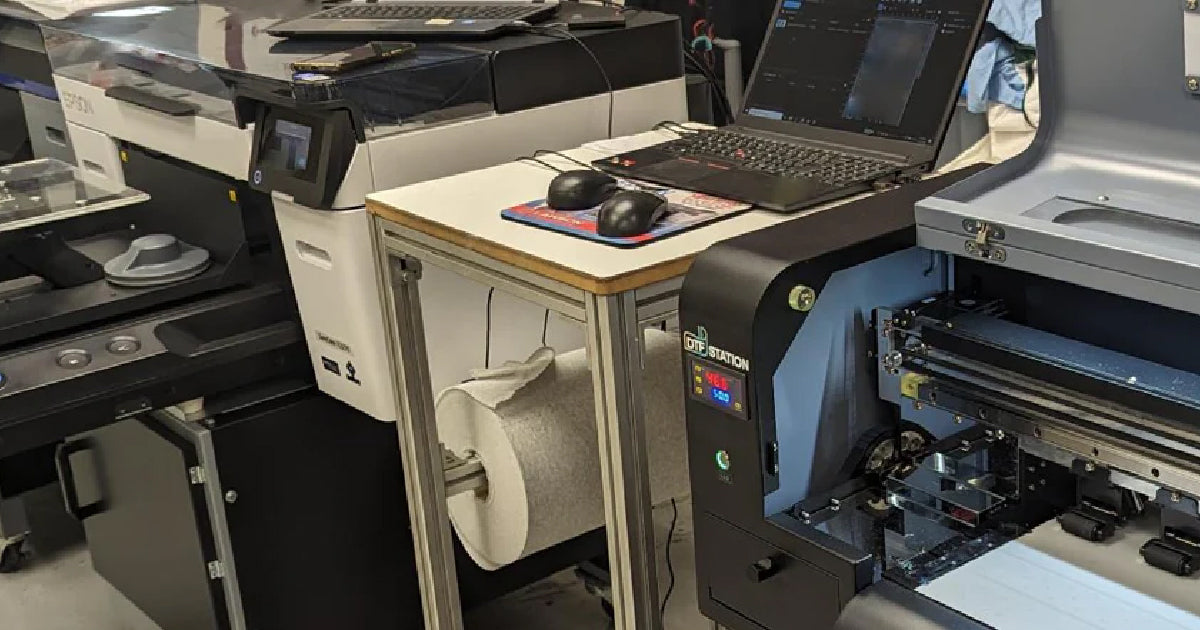
Colvanta Advanced Digital Textile Machinery Close Up

Global Export Infrastructure & Seamless Logistics to the Port of Bata and Port of Malabo

Importing capital equipment into Central Africa requires meticulous logistical coordination and compliance management. Shenzhen Colvanta Print Co., Ltd. ensures a frictionless importing experience by adhering to the following structural protocols:

  • Pre-Shipment Inspections: Full conformance verification including SGS and Bureau Veritas compliance checks as mandated by the CEMAC and Equatorial Guinean customs authorities.
  • Ocean Freight Logistics: Secure container packing utilizing vacuum-sealed vapor barriers, anti-corrosion desiccant packs, and steel crate framing to withstand maritime environments from Shenzhen Port to the deepwater Port of Bata and Port of Malabo.
  • Custom Documentation: Provision of precise Bill of Lading (B/L), Commercial Invoice, Packing List, Certificate of Origin (Form F), and import clearance documents to facilitate rapid port release and minimize demurrage risk.

Localized Industrial Application Scenarios in Equatorial Guinea

The application of multi-color digital and rotogravure systems across the local business landscape includes:

  1. Local Food & Beverage Packaging: Rapid, high-volume production of printed film bags for local agricultural cooperatives specializing in cocoa processing and coffee export.
  2. Corporate Apparel & Security Wear: Rapid printing of heavy-duty overalls, high-visibility jackets, and uniform insignias for personnel operating in the oil and gas platforms off Bioko Island.
  3. Local Beverage Bottling & Custom Canning: Application of high-resolution UV DTF transfers to localize promotional labeling on glass, metal, and plastic containers in Bata's local bottling lines.

Deploy High-Efficiency Manufacturing in Your Region

Get in touch with our engineering team for customized machine specifications, import logistics consultation, and localized pricing quotes.

Send Inquiry Now

Frequently Asked Questions

Essential Technical & Commercial Inquiries for Importing Commercial Printing Equipment to Equatorial Guinea

What is the typical shipping timeline from Shenzhen, China to the Ports of Malabo or Bata?
Maritime transit from Shenzhen Port to either Bata or Malabo deepwater ports typically takes between 35 to 45 days. We coordinate all container loading, export clearance documentation, and ocean freight logistics. We strongly advise our West African clients to initiate orders 60 days before their scheduled facility setup date to account for local customs clearance cycles.
How does the machinery handle voltage fluctuations and power stability issues in Equatorial Guinea?
We configure all machinery intended for Equatorial Guinea to operate on 220V/380V (50Hz) and supply them with integrated industrial voltage stabilizers. For large-scale lines like the Rotogravure or Elliptical systems, we provide comprehensive specifications for dedicated backup generator integration to prevent printhead damage during unforeseen power interruptions.
Does Colvanta Print offer on-site installation and technician training in Bata or Malabo?
Yes, we offer both remote and on-site engineering support. We provide high-definition installation videos, technical schematics, and interactive remote assistance. For industrial configurations, we can deploy a bilingual technician to your factory site in Bata or Malabo to complete commissioning, conduct printhead alignment, and train your local operating team in workflow optimization and regular maintenance.
How are replacement inks, films, and spare parts sourced after purchase?
We maintain a dedicated inventory of critical spare parts (dampers, cables, capping stations, and filters) which are shipped via expedited air courier (DHL/FedEx) to Malabo or Bata within 5–7 days. For consumables such as DTF inks, hot-melt powder, and PET films, we advise ordering in consolidated shipments alongside your machinery, or establishing a recurring quarterly supply contract to ensure continuous production.
Are the printheads and inks resistant to the high tropical humidity of Central Africa?
Yes, our industrial printers utilize internal temperature and humidity sensors coupled with custom software that dynamically adjusts heating profiles. The printheads feature negative pressure circulation which prevents ink dry-out and clogging, ensuring consistent jetting performance in ambient humidity levels exceeding 80%.
What compliance certifications are provided for custom clearance within the CEMAC zone?
We provide full CE certification, ISO9001 compliance documentation, and coordinate with international inspection bureaus (such as SGS or Intertek) to issue the required Certificate of Conformity (CoC) necessary for smooth custom clearance at the Port of Bata and Port of Malabo.