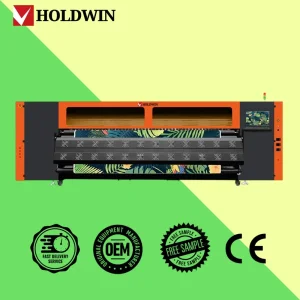
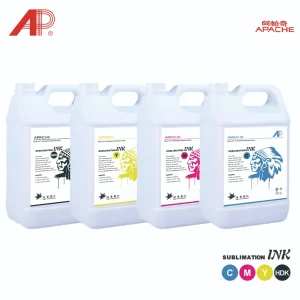
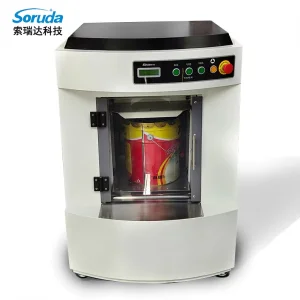
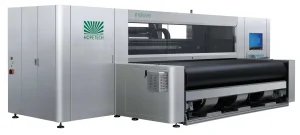
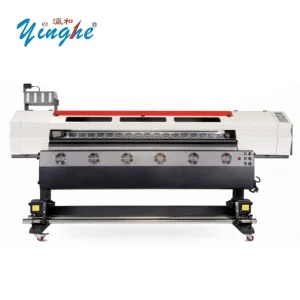
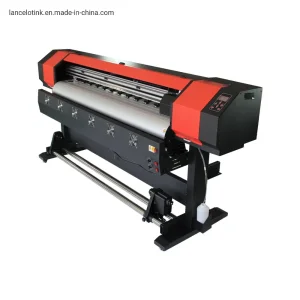
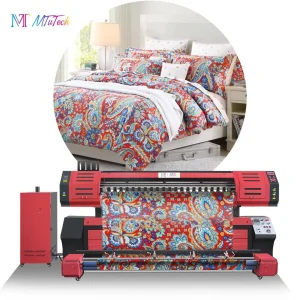
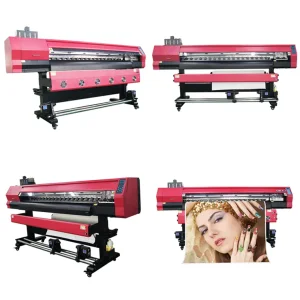
Engineered for robust performance in tropical Pacific environments. These 4 models form the core of modern apparel sublimation and continuous fabric roll processing.
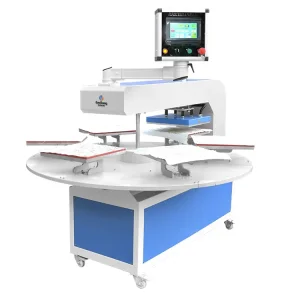
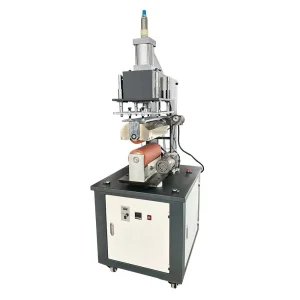
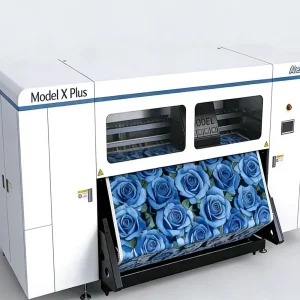
Understanding the unique market requirements, operational challenges, and growth dynamics of South Pacific micro-manufacturing.
Kiribati, an island nation spanning across millions of square kilometers in the central Pacific Ocean, is experiencing a transitional phase in its local manufacturing capabilities. Historically dependent on imports for finished garments, the business community in Tarawa, Betio, and Kiritimati (Christmas Island) is progressively shifting toward local production. The expansion of local printing businesses serves two critical functions: reducing transit-dependent supply lines and satisfying the rapid custom demands of local community events, government functions, educational institutions, and eco-tourism initiatives.
However, running high-precision industrial printing machinery in Kiribati presents distinct environmental challenges. The tropical maritime climate introduces elevated levels of atmospheric salt, high relative humidity (often exceeding 80%), and frequent power stability variances. Traditional machinery often suffers from accelerated rust, electrical short circuits, and printhead clogging. This is where specialized engineering from Shenzhen Colvanta Print Co., Ltd. fills the gap, offering corrosion-treated chassis, specialized printhead wiping systems, and robust voltage-tolerant internal structures specifically configured for Pacific exporters.
Through our digital textile printing technology, Kiribati businesses can now produce traditional cultural garments (such as modern iterations of the Tibuta), athletic wear for local clubs, and custom-branded souvenirs locally, ensuring high print fidelity, fast turnaround, and zero water wastage—a key consideration for the delicate freshwater lenses of Kiribati's atolls.
Our structures utilize dual-coated anticorrosive alloy frameworks and heavy-duty humidity-shielded electronics, designed to counteract the aggressive saline atmosphere of low-lying Pacific atolls.
By employing direct-to-film (DTF) and high-efficiency sublimation, we reduce clean water consumption to near zero, preserving Kiribati’s delicate drinking water tables.
Technical capabilities built upon years of industrial R&D and active deployment across maritime and remote island territories.
Leveraging Shenzhen's high-tech manufacturing ecosystem, our facilities assemble printers with sub-micron alignment tolerances, ensuring crisp high-speed continuous outputs.
We supply specialized shock-absorbent wooden packaging, moisture-absorbing desiccants, and rust-preventative sealants for long-distance maritime freight to Kiribati ports.
Every printer shipped to the Pacific includes critical wear-and-tear replacements (dampers, capping stations, wipers, and cables) to limit downstream downtime.
The global textile sector is undergoing a profound paradigm shift towards on-demand, micro-localized production. Massive centralized textile factories with high inventories are being replaced by agile, localized networks. For remote nations like Kiribati, this macro trend is highly beneficial. By investing in scalable digital sublimation and direct-to-garment (DTG) systems, domestic enterprises avoid expensive air freights, excessive lead times, and warehousing costs associated with off-shore ordering.
Simultaneously, the industry is witnessing a structural shift toward eco-solvent, biodegradable pigment ink systems. The European Union and international environmental frameworks are tightening regulations on synthetic dye runoff. Our equipment utilizes water-based pigment inks and high-efficiency sublimation dyes that meet strict OEKO-TEX® criteria, ensuring that any business established in the South Pacific maintains a green compliance profile suitable for international export and sustainable tourism partnerships.
Shenzhen Colvanta Print Co., Ltd. is a professional digital printing machine manufacturer based in Shenzhen, China, specializing in advanced DTF, DTG, and UV DTF printing equipment. With a strong focus on innovation, efficiency, and reliability, the company provides comprehensive printing solutions for global customers in the garment, advertising, and customized product industries.
Colvanta Print integrates cutting-edge technology with practical application needs, offering a wide range of machines designed for high-quality textile printing, heat transfer production, and multi-surface customization. Its product line supports various materials including cotton, polyester, blends, leather, and hard surfaces, enabling businesses to expand their product offerings with flexibility.
Beyond equipment supply, the company delivers end-to-end solutions, covering technical support, workflow optimization, color management, and after-sales service. Whether for startups, print shops, or large-scale manufacturers, Colvanta ensures stable performance, user-friendly operation, and consistent output quality.
Committed to continuous R&D and strict quality control, Shenzhen Colvanta Print Co., Ltd. aims to help clients reduce production costs, improve efficiency, and scale their printing business in a competitive market. With global export experience and customer-oriented service, Colvanta Print is dedicated to becoming a trusted partner in the digital printing industry.
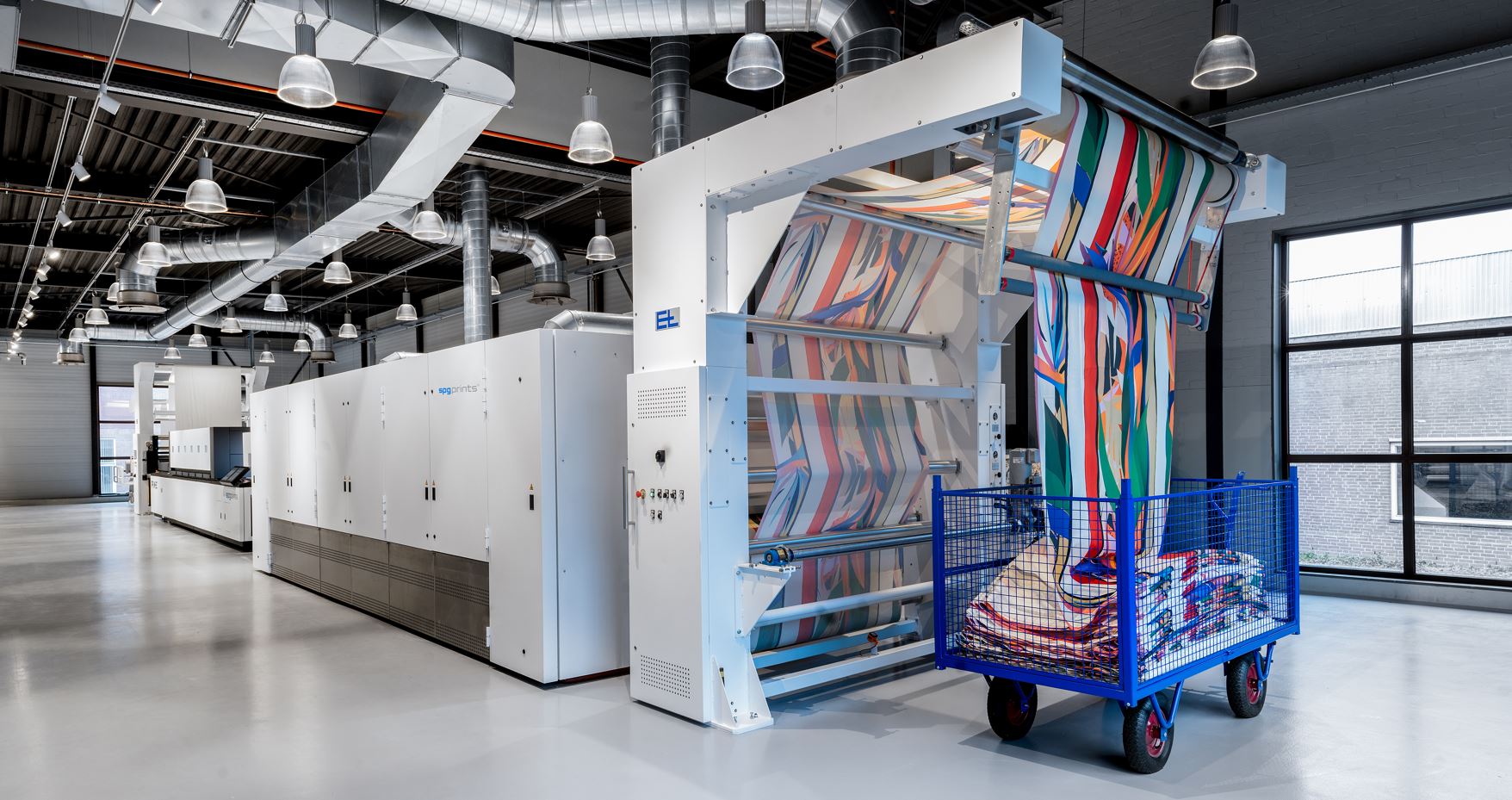
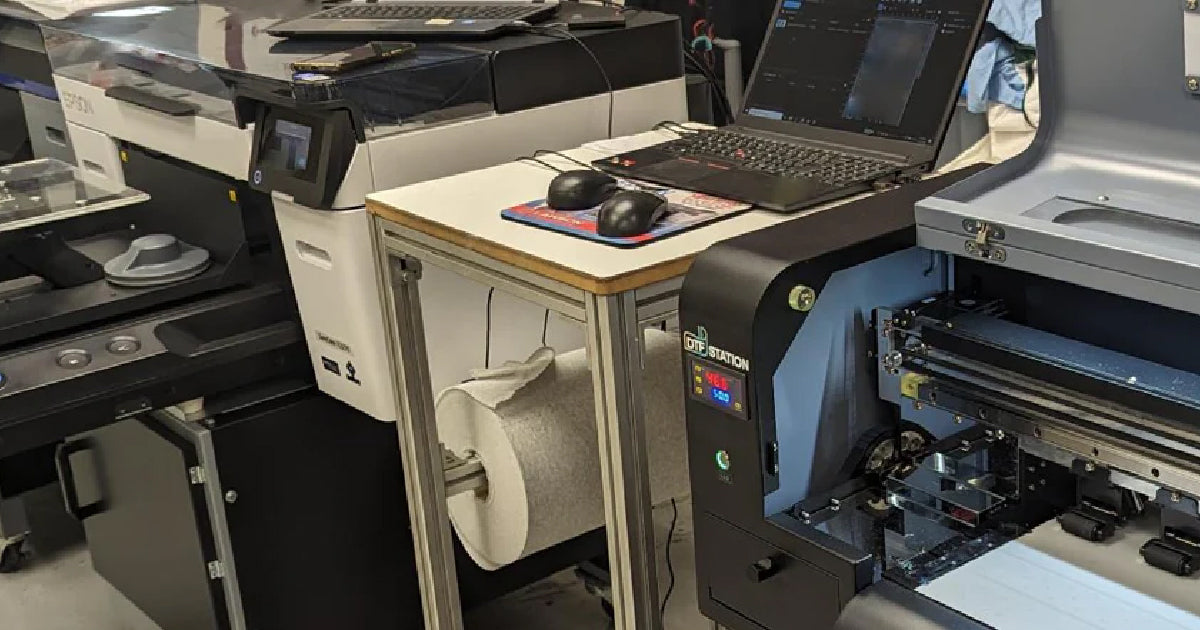
Explore our wider industrial portfolio configured for diverse production outputs, high-speed textile applications, and ancillary post-processing steps.
Essential insights for Pacific and global buyers regarding import, maintenance, and technical execution.
 Colvanta Print