Engineered for high wash-durability and rapid throughput, these units provide seamless heat transfer solutions tailored for local garment clusters in Maseru and Maputsoe.

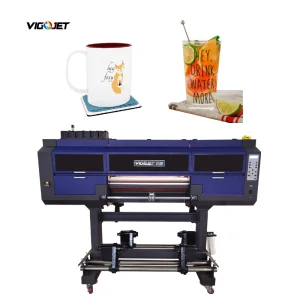
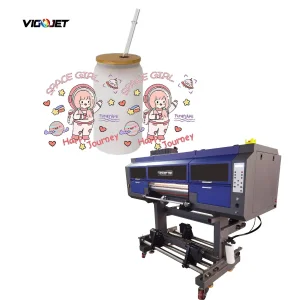
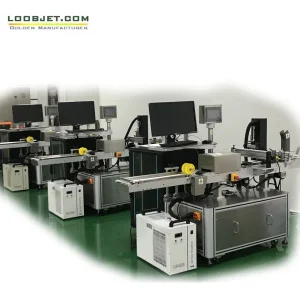
The Mountain Kingdom of Lesotho has solidified its reputation as one of Sub-Saharan Africa's primary apparel exporters. Traditionally centered around mass-market assembly lines targeting Western retail via preferential trade programs like AGOA (African Growth and Opportunity Act), the nation's industrial landscape is undergoing a significant transition. Rising demand for customized apparel, localized branding, and drop-shipped garment embellishments has created a critical need for modern heat transfer printing systems.
Industrial parks in Maseru and Maputsoe host massive factories that historically relied exclusively on screen printing. While screen printing remains cost-effective for tens of thousands of identical prints, its long setup times, high water footprint, and strict tooling requirements make it entirely unfeasible for shorter, customizable runs. This technological bottleneck is where digital heat transfer methods, particularly Sheet-fed DTF (Direct to Film) and UV-DTF printing, offer high-yield strategic benefits.
As retail brands demanding shorter lead times shift production closer to final consumer markets, Lesotho's exporters are integrating digital print cabins into their cutting-and-sewing centers. Sheet-fed DTF printing systems enable factories to print complex, high-resolution multi-color designs onto transfer films on demand. These printed decals are then stored and pressed onto garments as orders are received, bypassing traditional inventory bottlenecks.
For regional manufacturers in Lesotho, understanding the mechanical configurations of Sheet-fed DTF Printing Systems is critical. Unlike roll-to-roll units that require long continuous runs and incur significant setup wastage, sheet-fed systems are designed for extreme agility, allowing operators to run individual sheets of PET film (A3, A4, or custom formats). This minimizes material waste and is highly compatible with boutique shops, sampling lines, and customized sporting-apparel production.
However, operating high-end digital print machinery in Lesotho presents unique atmospheric challenges. The high altitude of Maseru (roughly 1,600 meters above sea level) results in lower relative humidity and ambient temperatures that fluctuate wildly between winter and summer. Under these conditions, ink viscosity changes, and electrostatic charges on PET films can cause uneven powder adhesion.
Colvanta’s latest digital setups address these issues through integrated thermal heating plates and active static-elimination bars. Furthermore, our ink circulation systems prevent sediment buildup of titanium dioxide in white ink—a common issue at high altitudes where low humidity accelerates ink drying in the printhead nozzles.
Shenzhen Colvanta Print Co., Ltd. is a professional digital printing machine manufacturer based in Shenzhen, China, specializing in advanced DTF, DTG, and UV DTF printing equipment. With a strong focus on innovation, efficiency, and reliability, the company provides comprehensive printing solutions for global customers in the garment, advertising, and customized product industries.
Colvanta Print integrates cutting-edge technology with practical application needs, offering a wide range of machines designed for high-quality textile printing, heat transfer production, and multi-surface customization. Its product line supports various materials including cotton, polyester, blends, leather, and hard surfaces, enabling businesses to expand their product offerings with flexibility.
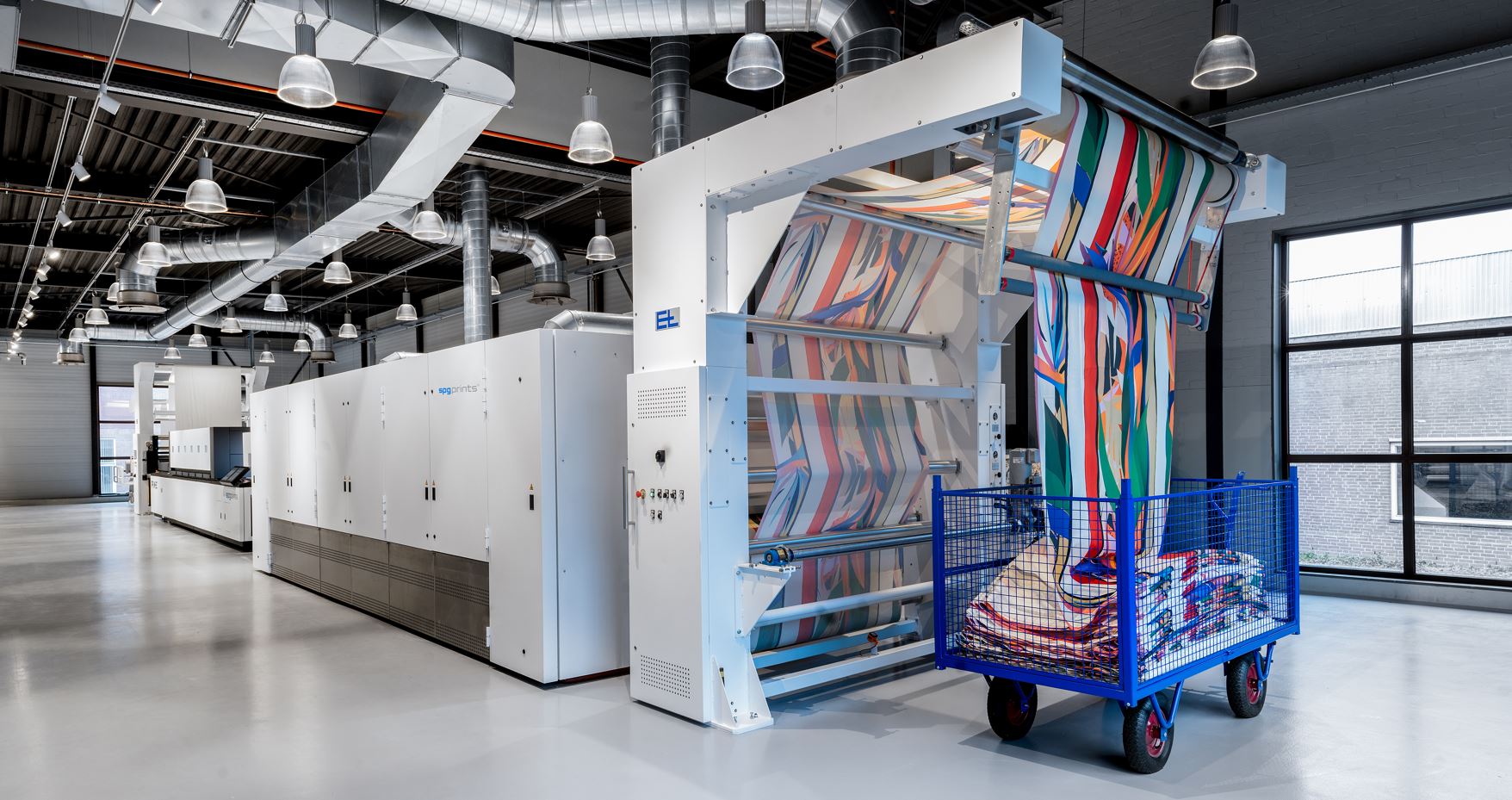
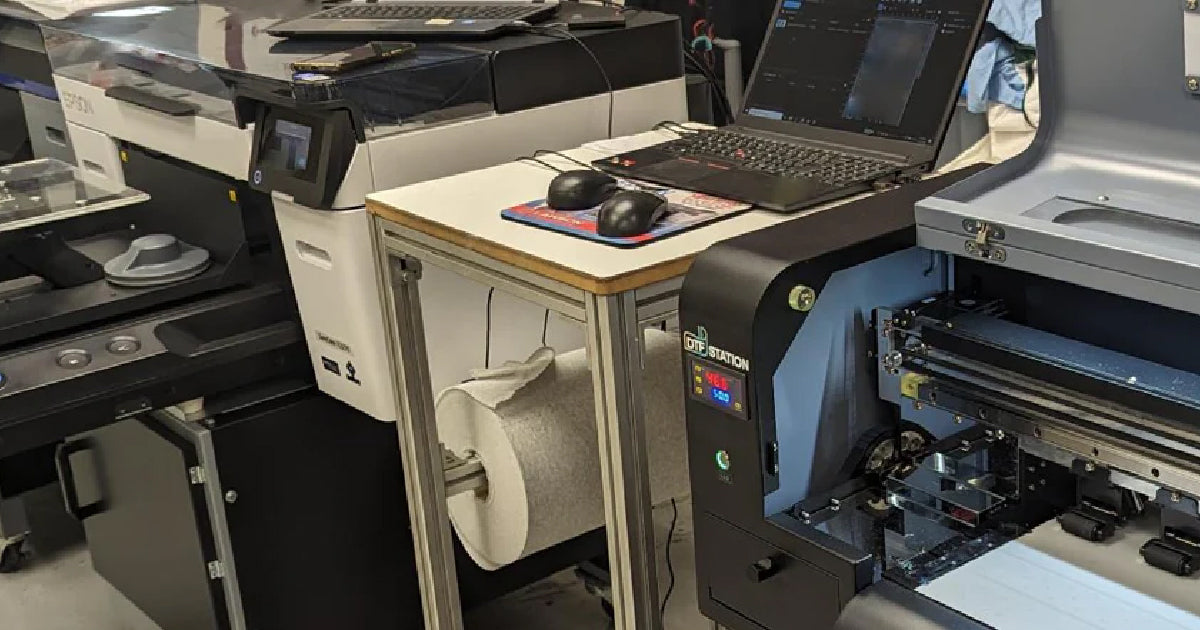
Beyond equipment supply, the company delivers end-to-end solutions, covering technical support, workflow optimization, color management, and after-sales service. Whether for startups, print shops, or large-scale manufacturers, Colvanta ensures stable performance, user-friendly operation, and consistent output quality.
Committed to continuous R&D and strict quality control, Shenzhen Colvanta Print Co., Ltd. aims to help clients reduce production costs, improve efficiency, and scale their printing business in a competitive market. With global export experience and customer-oriented service, Colvanta Print is dedicated to becoming a trusted partner in the digital printing industry.
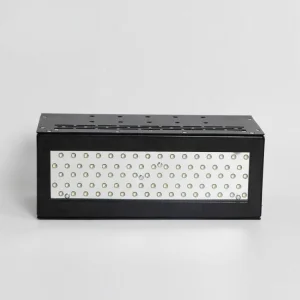
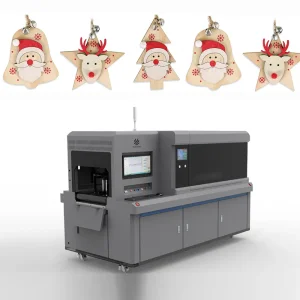
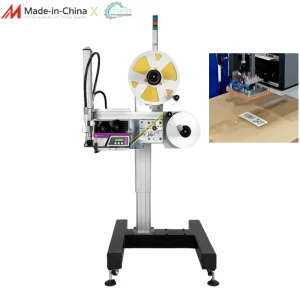
Explore our secondary lineup of curing, labeling, and specialized automation machinery optimized for integration into the Southern African manufacturing sector.
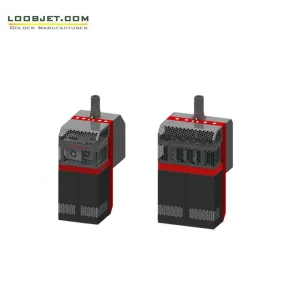
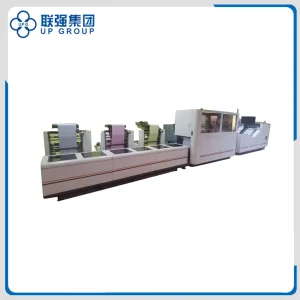
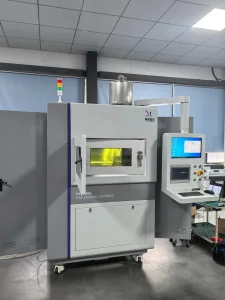

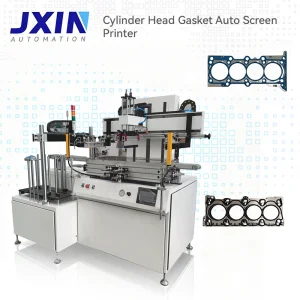
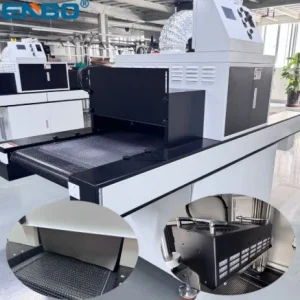
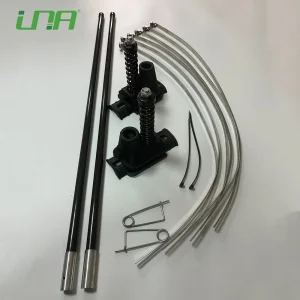

Sourcing heat transfer equipment directly from a prominent Shenzhen manufacturer like Colvanta offers significant cost-performance advantages for companies operating in Southern Africa. China's electronics and precision engineering hubs provide unmatched vertical integration. From high-grade linear guideways and localized structural frames to customized ink delivery systems, Shenzhen factories construct hardware with superior durability compared to entry-level assembly workshops.
Our production protocols incorporate strict quality control measures, including 72-hour continuous printing stress tests and electronic alignment checks for dual-head configurations (Epson i3200-A1). Because Colvanta manages the entire manufacturing chain from research and design to hardware integration and calibration, we offer specialized OEM/ODM options to meet the needs of Lesotho’s large apparel enterprises. This includes custom voltage setups compatible with local power grids and specialized firmware configurations designed for high-altitude ink pressure regulation.
Crucially, Colvanta addresses the "after-sales vacuum" that many African companies experience when purchasing machinery from standard brokers. We supply comprehensive spare parts kits, direct connection lines to senior technical teams, and detailed video walk-throughs for routine maintenance. This minimizes downtime and ensures that your production lines continue running efficiently.
Complete system solutions to enhance stability, efficiency, and print alignment inside busy modern textile mills.
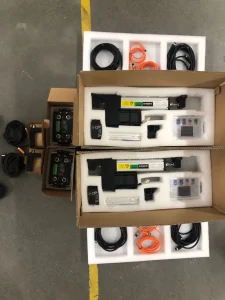
To remain competitive under current global supply agreements, factory managers must optimize their workflows. Integrating digital print units alongside traditional sewing systems requires a strategic layout designed to maximize throughput and minimize down-time:
Incoming artwork from international fashion brands must be rasterized using specialized RIP software. Colvanta systems support industry-standard tools like CADlink and MainTop, which optimize ink deposition levels to prevent ink pooling while maintaining vivid color profiles on dark polyester and cotton fabrics.
Running high-output printheads like the Epson i3200 requires climate control. Factories should establish dedicated, dust-insulated rooms for their print lines. Keeping temperatures between 20°C and 28°C and humidity levels above 50% ensures consistent ink flow and prevents the printhead nozzles from drying out.
For DTF workflows, printed sheets are coated with TPU (polyurethane) hot-melt adhesive powder. Utilizing automated powder shake-and-bake dryers ensures the adhesive is applied evenly. Proper curing guarantees the print remains highly flexible and wash-resistant—essential benchmarks for meeting Western retail compliance standards.
Procuring heavy machinery internationally requires reliable shipping routes. Shenzhen’s proximity to major shipping hubs makes logistics straightforward. Container shipments depart from Shenzhen or Guangzhou ports and travel to Durban Port in South Africa. From Durban, machinery is transported overland by rail or road across the border to Maseru or Maputsoe, with customs clearances handled through the Southern African Customs Union (SACU) network.
 Colvanta Print