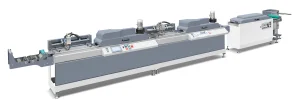
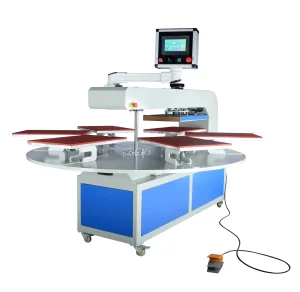
Empower your textile production with our top-tier garment printing equipment. Engineered for continuous output, heavy-duty cycles, and maximum flexibility across fabrics, these systems are specifically selected for industrial and entrepreneurial scaling in Lomé and beyond.
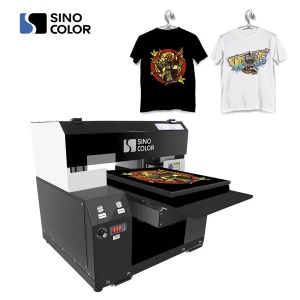
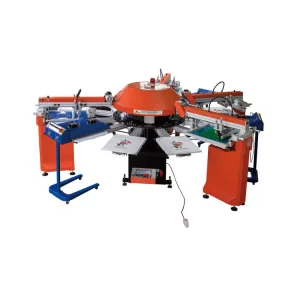
Togo is rapidly emerging as a strategic textile and garment hub in West Africa, catalyzed by the development of the Plateforme Industrielle d’Adétikopé (PIA). Historically known for its vibrant local trade of traditional African Wax prints (Lomé's "Nana Benz" traders), Togo is transitioning into high-volume, export-oriented textile and garment manufacturing. This shift demands a profound technological upgrade from manual, artisan processes to high-throughput, automated garment printing machines.
With the Lomé Autonomous Port (PAL) acting as the single deepwater port in the West African sub-region, Togolese manufacturers possess an unparalleled logistics advantage. Raw materials can be imported and finished garments exported to European and North American markets under preferential trade agreements like AGOA (African Growth and Opportunity Act) and the EU’s Everything But Arms (EBA) initiative.
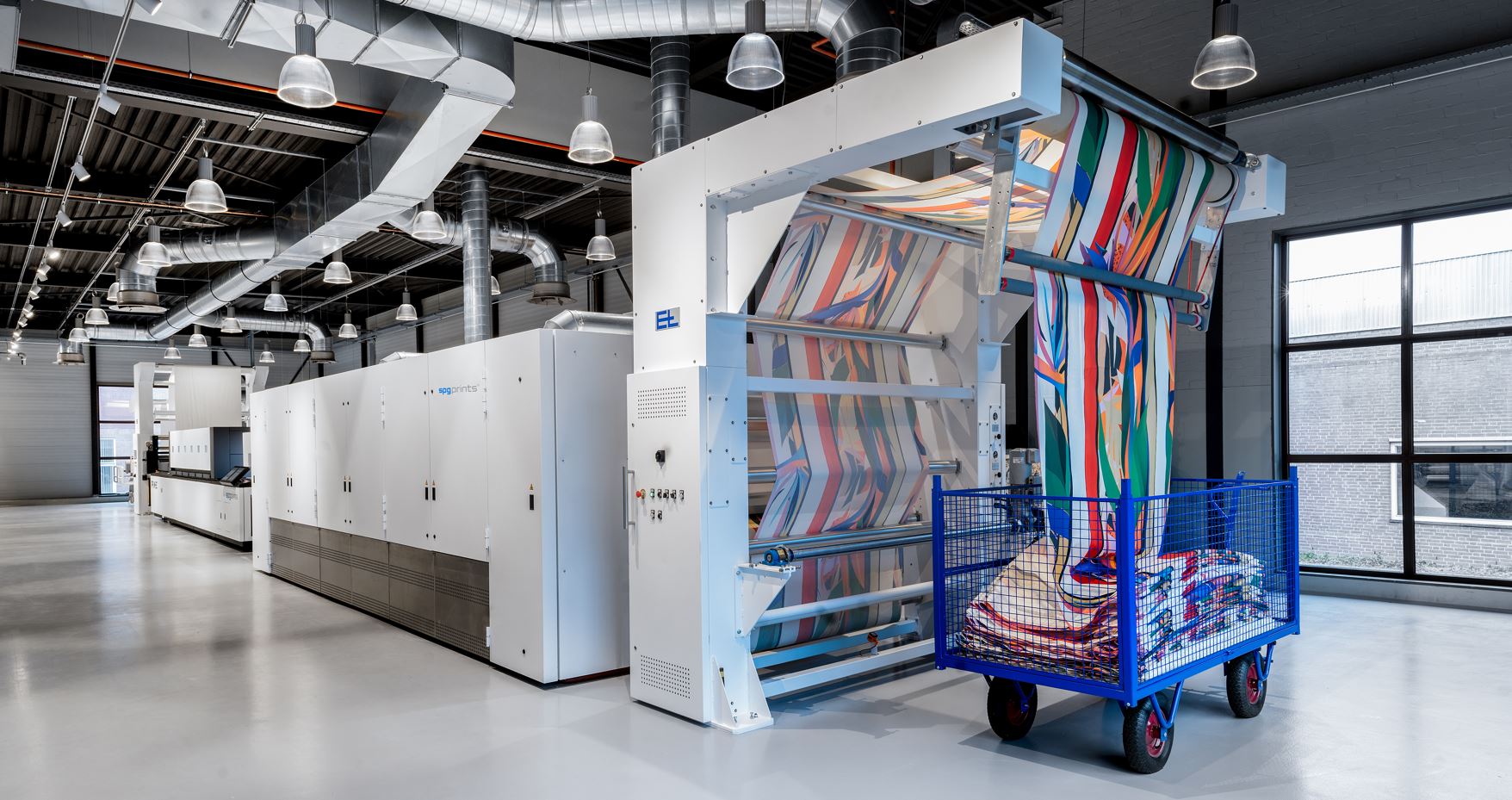
However, to capture this market, local factories need to overcome productivity bottlenecks. Adopting industrial Direct-to-Film (DTF), high-speed digital label printers, and automatic rotary screen printing machinery is no longer optional—it is the baseline for global competitiveness.
The worldwide garment decoration market is undergoing a structural transition. Mass production is blending with hyper-customization, giving rise to "on-demand" manufacturing. Understanding these trends helps Togolese sourcing directors choose the right machinery to secure long-term return on investment (ROI).
| Technology Class | Primary Application Fields | Speed & Volume Efficiency | Eco-Footprint & Water Usage | Suitability for Togo Power/Climate |
|---|---|---|---|---|
| Direct-to-Film (DTF) | Custom T-shirts, synthetic sportswear, bags, and hard-to-print blends. | High flexibility, moderate-to-high speed with dual/quad printheads. | Zero water waste, dry processing, low chemistry disposal. | Excellent. Requires humidity control, but has low starting load requirements. |
| Automatic Screen Printing | Mass volume t-shirts, cotton sheet goods, high-build specialty ink effects. | Extremely high speed (800+ pieces/hour), best for long runs. | Requires screen washing and chemicals, moderate water utilization. | Requires stable three-phase industrial power lines. Highly reliable once set. |
| Direct-to-Garment (DTG) | Ultra-detail prints, photographic images directly on 100% cotton garments. | Optimized for short run/print-on-demand (1-50 units). | Eco-friendly water-based pigment inks, minimal chemical footprints. | Requires high-quality dust-free workspace and stable climatization. |
| Flexo Label / Care Tags | Continuous roll-to-roll satin and cotton care label printing. | High-speed continuous web printing (up to 70m/min). | Extremely low ink consumption, minimal scrap. | Very resilient, simple mechanical maintenance footprint. |
Additionally, environmental compliance (such as OEKO-TEX® and ZDHC standards) has moved from a niche request to a mandatory supply-chain passport. Modern digital and rotary print systems exported by Colvanta Print are engineered to use compliant, non-toxic pigment inks, ensuring that Togo-made garments pass strict customs audits in North America and Western Europe.
Shenzhen Colvanta Print Co., Ltd. is a professional digital printing machine manufacturer based in Shenzhen, China, specializing in advanced DTF, DTG, and UV DTF printing equipment. With a strong focus on innovation, efficiency, and reliability, the company provides comprehensive printing solutions for global customers in the garment, advertising, and customized product industries.
Colvanta Print integrates cutting-edge technology with practical application needs, offering a wide range of machines designed for high-quality textile printing, heat transfer production, and multi-surface customization. Its product line supports various materials including cotton, polyester, blends, leather, and hard surfaces, enabling businesses to expand their product offerings with flexibility.
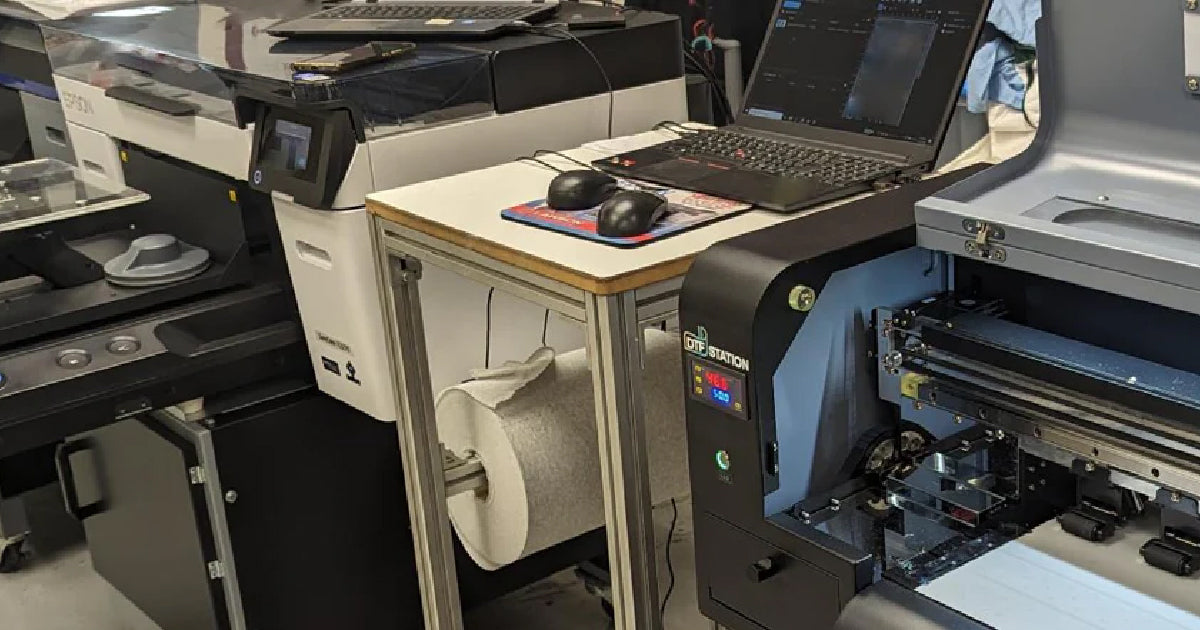
Beyond equipment supply, the company delivers end-to-end solutions, covering technical support, workflow optimization, color management, and after-sales service. Whether for startups, print shops, or large-scale manufacturers, Colvanta ensures stable performance, user-friendly operation, and consistent output quality.
Committed to continuous R&D and strict quality control, Shenzhen Colvanta Print Co., Ltd. aims to help clients reduce production costs, improve efficiency, and scale their printing business in a competitive market. With global export experience and customer-oriented service, Colvanta Print is dedicated to becoming a trusted partner in the digital printing industry.
Purchasing manufacturing equipment from a distant partner requires high trust in the supply chain's resilience. Shenzhen Colvanta Print operates under advanced Factory 4.0 paradigms. This involves combining automated precision engineering with comprehensive remote diagnosis and support systems.
Deploying high-speed printing units in Togo unlocks diverse business models, catering to both local demand and regional export markets within the ECOWAS block.
Togo has a strong demand for custom fabrics used in cultural festivals, religious gatherings, and elections. Digital DTF printers enable rapid, print-on-demand production of highly detailed, multi-colored designs on various textiles without requiring costly screen setups.
Garment factories operating inside the PIA industrial zone need compliant care labels, wash tags, and size markers to export to Europe and North America. High-speed roll-to-roll label printers ensure sharp text, high wash resistance, and fast turnaround times.
Using sublimation and DTF technology, Togolese apparel brands print directly onto polyester and nylon fabrics. This setup is ideal for team activewear, school gym kits, and high-visibility corporate apparel marketed across West Africa.
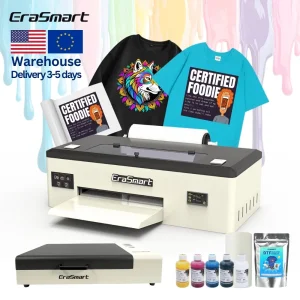
Explore our broad selection of garment printing machinery. Our systems cover various requirements, from small-footprint desktop DTF units to fully automated rotary and elliptical production lines for industrial applications.
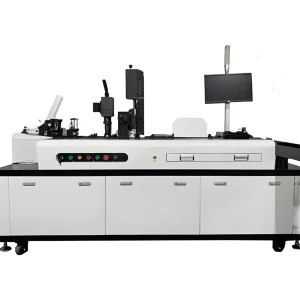
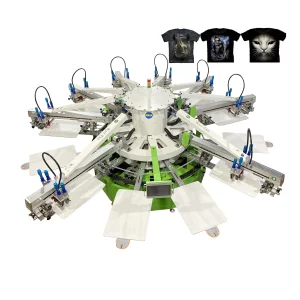
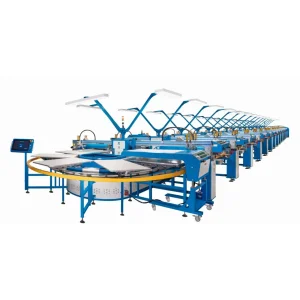
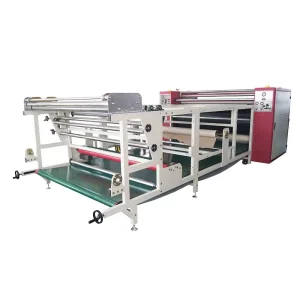
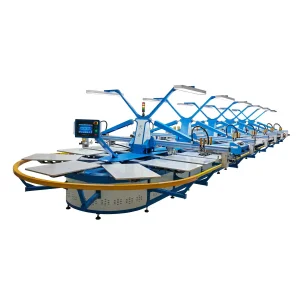
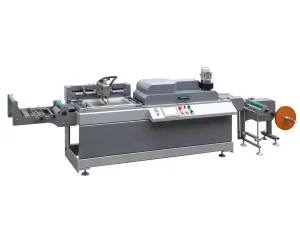
Procuring industrial printing equipment involves evaluating long-term operational factors beyond the initial price tag. In West Africa, environmental conditions and electrical infrastructure play a critical role in the lifespan of digital equipment. Sourcing managers should focus on three main operational elements:
Fluctuations in voltage can damage printhead drive boards and control electronics. When setting up a digital printing line in locations like Lomé or Kara, installing a servo-motor type voltage stabilizer and an uninterruptible power supply (UPS) is highly recommended. Additionally, high dust and seasonal Harmattan winds can clog fine nozzle channels. Sourcing closed-carriage DTF and screen-printing systems with built-in dust seals and static grounding helps maintain print quality year-round.
Water-based pigment inks perform best within a temperature range of 20°C to 28°C and humidity levels between 45% and 65%. Given Togo's tropical climate, using insulated production rooms with air conditioning helps prevent ink separation and nozzle drying. Our machines feature automated ink circulation systems that keep white ink moving continuously. This prevents settling and avoids clogging during shifts or downtime.
Without local field technicians nearby, remote diagnosis is essential. Colvanta Print equips all export-bound digital printers with diagnostic network interfaces. Our engineers can perform remote calibration, system updates, and test-pattern analysis. Additionally, keeping a stock of high-wear parts (such as dampers, capping stations, wipers, and cables) on-site helps minimize downtime.
Get in touch with our engineering team for customized machinery setups, operational plans, shipping schedules, and bulk pricing options tailored for Togo and the broader West African region.
Send Inquiry Now Colvanta Print