Optimized compact print equipment engineered for rapid boutique customizations, souvenir apparel, and local label production.
The Maldives, renowned globally as an archetype of luxury ecotourism and dynamic hospitality services, presents a highly specialized market structure. Historically, the supply chain for branded apparel, resort wear, water sports merchandise, and employee uniforms has been heavily dependent on protracted importing cycles from hubs like India, Sri Lanka, and Mainland China. However, modern commercial demands require immediacy, zero-inventory risks, and hyper-customization.
Desktop Garment Printing Machines are revolutionizing this landscape. By moving production from massive centralized overseas textile factories to decentralized, localized micro-factories within the Maldives, resorts and commercial printers can mitigate massive carbon footprints associated with air freight and eliminate the burden of holding dead inventory. This transition represents a vital strategic step for local business owners seeking to combine high-margin boutique retail with structural efficiency.
Operating a business in an archipelagic nation like the Maldives involves unique logistical and environmental considerations. The commercial ecosystem is anchored by more than 160 luxury resorts, dozens of local guest houses on inhabited islands, dive centers, and yacht charters. Each of these entities requires high-quality, branded merchandise.
Because physical space on island resorts is limited, traditional printing equipment (like massive multi-color industrial screen-printing carousels or long drying tunnels) is completely impractical. Furthermore, chemical disposal and environmental preservation regulations in the Maldives are among the strictest in the world.
Desktop printing solutions address these limitations by providing a tiny footprint (under 1.5 square meters), low power consumption requirements, and sealed ink setups. Colvanta's digital Direct-to-Garment (DTG) and Direct-to-Film (DTF) systems use eco-friendly, water-based pigment inks that satisfy both international Oeko-Tex certification standards and local environmental conservation requirements.
Different business models in the Maldives require different printing setups. The table below represents a tactical assessment of the primary desktop technologies available for the local market:
| Technology | Best Match Maldives Application | Key Performance Metrics | Material Compatibility |
|---|---|---|---|
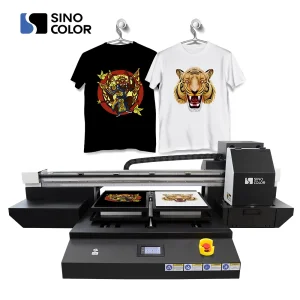
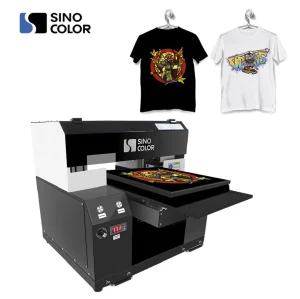
| Direct to Garment (DTG) | Resort Boutique Premium Custom T-Shirts & Polos | High resolution (up to 1440 DPI), soft hand-feel, fast setup | 100% Cotton, high-cotton blends, linen |
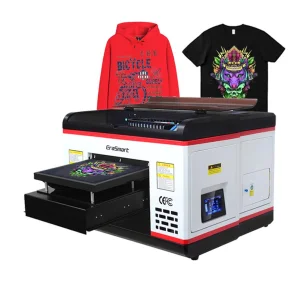
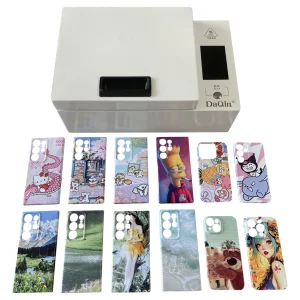
| Direct to Film (DTF) | Polyester Swimwear, Lycra, Water Sports Jerseys | Extreme wash-durability, vibrant stretchable prints | Polyester, Nylon, Blends, Spandex, Leather |
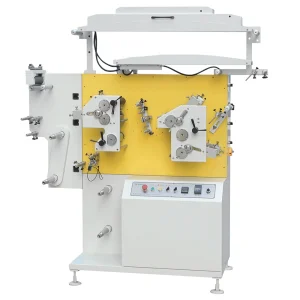
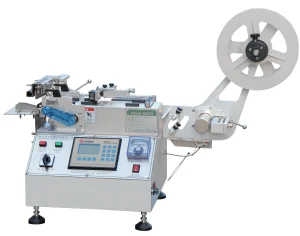
| Flexo & Ribbon Printing | Branded Resort Gift-wrap Ribbons, Care & Size Labels | Continuous roll-to-roll printing, high-speed output | Polyester Satin, Cotton Tape, Nylon Taffeta |
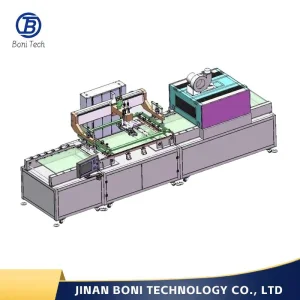
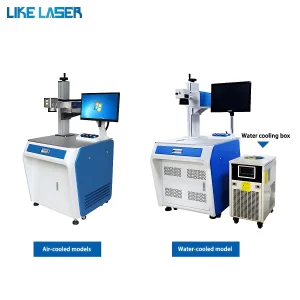
| UV Laser & Fiber Laser | Resort Wooden Keycards, Metal Tumblers, Souvenir Pens | Zero-contact permanent marking, ultra-fine precision | Acrylic, Glass, Wood, Stainless Steel, Plastics |
On a global scale, the fashion and apparel industry is moving rapidly toward customization and sustainable inventory practices. Mass production is increasingly giving way to localized micro-factories. Desktop digital printing machines sit at the center of this structural shift, allowing businesses to test designs with zero initial production cost.
With the rise of Print-on-Demand (POD) e-commerce platforms globally, local printers in Male and Hulhumale can easily capture high-margin tourist markets. Tourists love purchasing custom-printed clothing featuring specific dates, names of the islands visited, or personalized marine life illustrations. Using old screen-printing methods, setting up a single custom design for a single tourist is financially impossible. Desktop DTG and DTF technologies make it profitable to print even a single unit.
As a premier global digital printing machine manufacturer based in Shenzhen, China, Shenzhen Colvanta Print Co., Ltd. specializes in advanced DTF, DTG, and UV DTF printing equipment. Shenzhen’s unique supply-chain ecosystem allows Colvanta to integrate high-end mechanical components, like dual Epson I1600 or I3200 print heads, into a highly stable and space-saving desktop body structure.
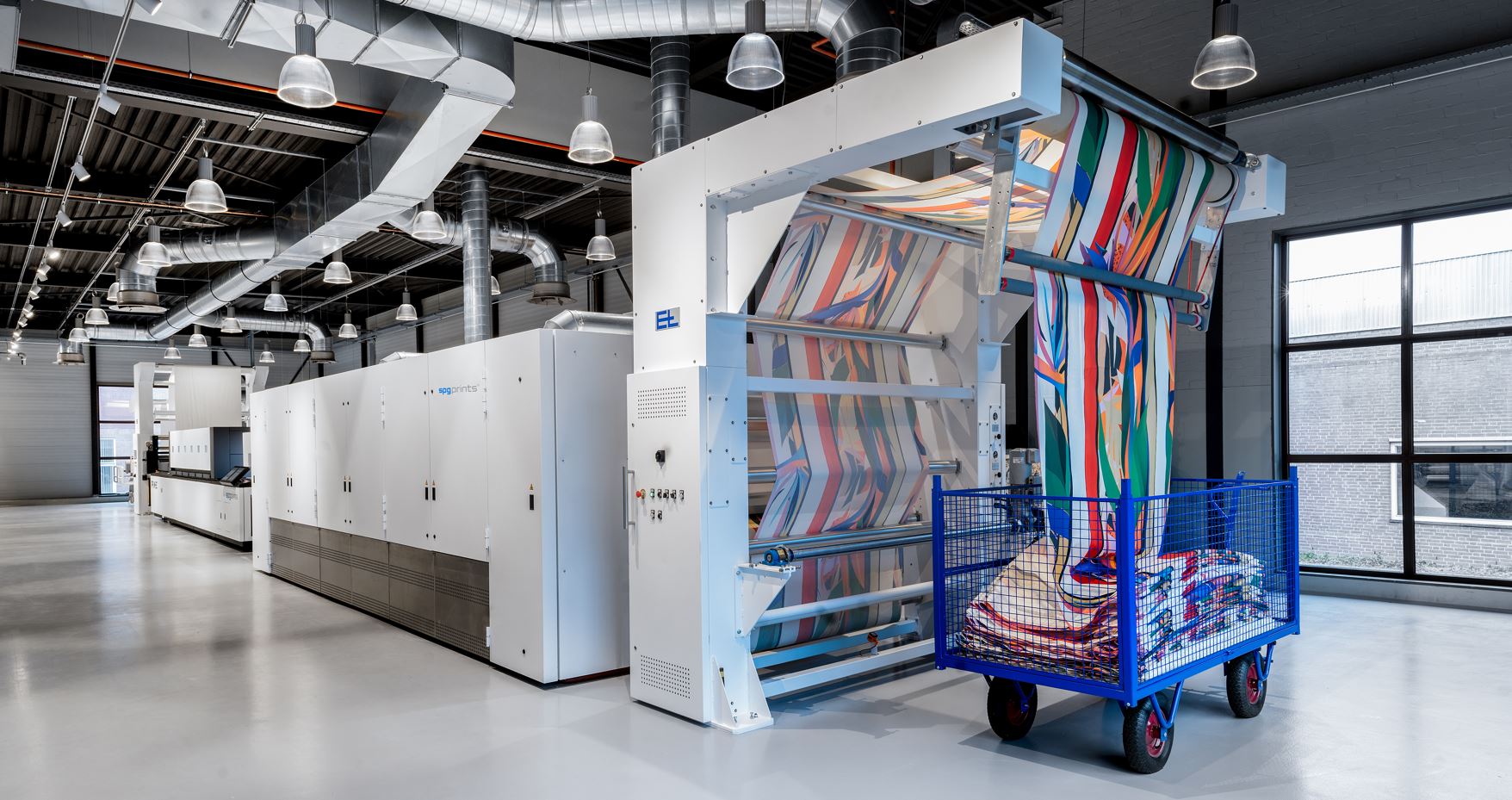
Our factory integrates cutting-edge technology with practical application needs, offering a wide range of machines designed for high-quality textile printing, heat transfer production, and multi-surface customization. Our product line supports various materials including cotton, polyester, blends, leather, and hard surfaces, enabling businesses to expand their product offerings with flexibility.
By maintaining absolute control over the production workflow—from CNC chassis machining to digital control board calibration—Colvanta ensures that every desktop printer shipped to the Maldives can withstand the challenging, humid marine climate. Built-in white ink circulation systems prevent sediment build-up during seasonal idle periods, ensuring consistent reliability for luxury resort operations.
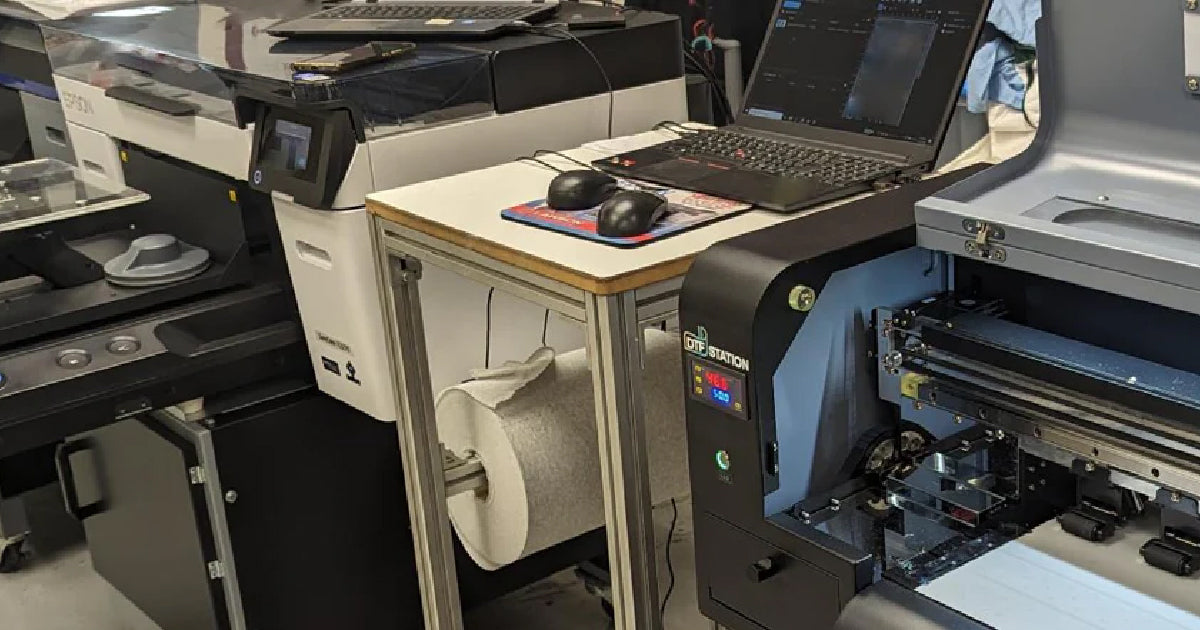
Beyond equipment supply, the company delivers end-to-end solutions, covering technical support, workflow optimization, color management, and after-sales service. Whether for startups, print shops, or large-scale manufacturers, Colvanta ensures stable performance, user-friendly operation, and consistent output quality.
How exactly are Maldivian businesses utilizing Colvanta’s printing equipment? Here are several key local scenarios:
As you prepare your procurement plan, several major technical trends will shape the future of printing in the Maldives:
1. Ink Chemistry Improvements: The transition toward water-based pigment inks ensures prints are breathable and soft. This makes garments comfortable to wear in high-humidity climates like Male.
2. Micro-encapsulated Print Heads: Modern print heads like the Epson I3200 feature micro-piezo technology. This helps maintain consistent droplet size and minimizes ink drying on the nozzle face during hot Maldivian summer afternoons.
3. RIP Software Advancements: Integrated raster image processors (RIP) allow for simple, automated color management. You can match Pantone spot colors perfectly on cotton and synthetic blends.
Select the machinery best suited to your operational scale, production speed, and substrate requirements.
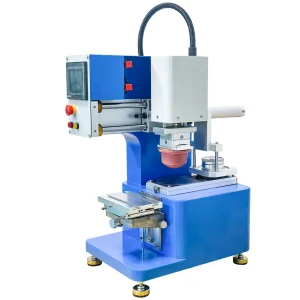
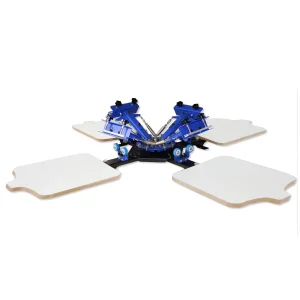
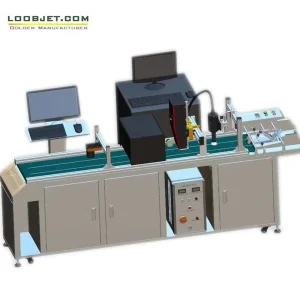

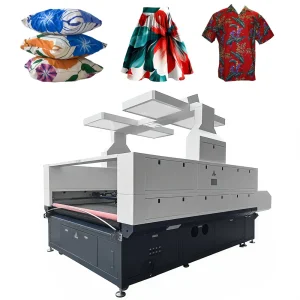
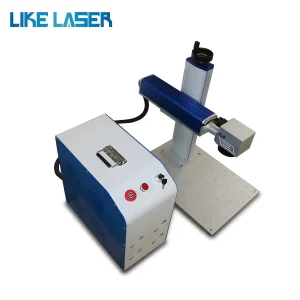
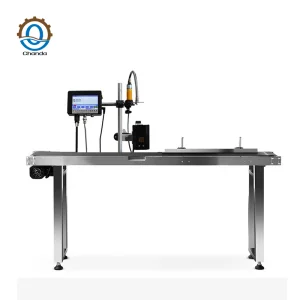
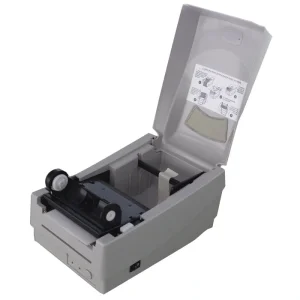
Procuring industrial equipment for isolated island ecosystems requires meticulous planning. Purchasing officers must look beyond initial machine pricing and focus on lifetime operational stability. Key considerations include:
The standard utility power in the Maldives is 230V AC at 50Hz. Ensure your chosen equipment is pre-configured for these power settings. Given the potential for voltage fluctuations on island generators, we recommend using a high-quality online double-conversion Uninterruptible Power Supply (UPS) with your desktop digital printer to protect sensitive printhead logic boards.
Most shipments to the Maldives arrive at Male Port. Ensure your manufacturer provides high-standard export packaging, such as vapor-barrier vacuum sealing and heavy-duty wooden crates. This protects high-precision mechanical assemblies from salty sea air during sea freight.
Because local repair centers are limited, always request a "Critical Maintenance Package" with your machine order. This package should include replacement dampers, printhead caps, wiper blades, clean swabs, and spare ink line tubes. This ensures minor maintenance issues can be resolved instantly on-site without waiting weeks for replacement parts.
Expert technical answers addressing local operations, climate conditions, and shipping logistics to the Maldives.
Speak with a Colvanta technical engineer to customize your desktop printing setup. We handle voltage modifications, ocean-safe packaging, and direct shipping to Male Port.
 Colvanta Print