Leading hardware solutions for high-performance textile ink applications.
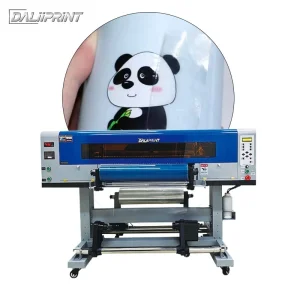
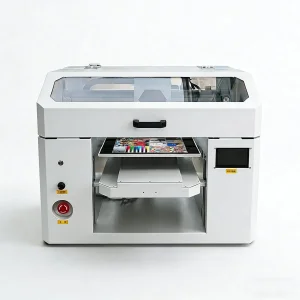
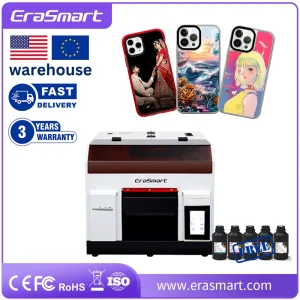
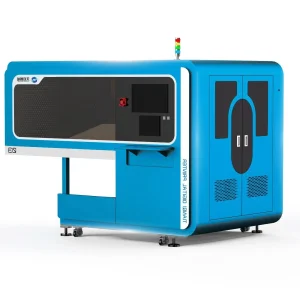
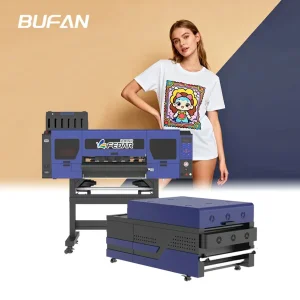
Shenzhen Colvanta Print Co., Ltd. is a professional digital printing machine manufacturer based in Shenzhen, China, specializing in advanced DTF, DTG, and UV DTF printing equipment. With a strong focus on innovation, efficiency, and reliability, the company provides comprehensive printing solutions for global customers in the garment, advertising, and customized product industries.
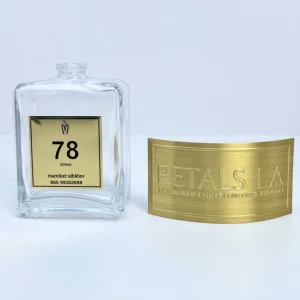
Colvanta Print integrates cutting-edge technology with practical application needs, offering a wide range of machines designed for high-quality textile printing, heat transfer production, and multi-surface customization. Its product line supports various materials including cotton, polyester, blends, leather, and hard surfaces, enabling businesses to expand their product offerings with flexibility.
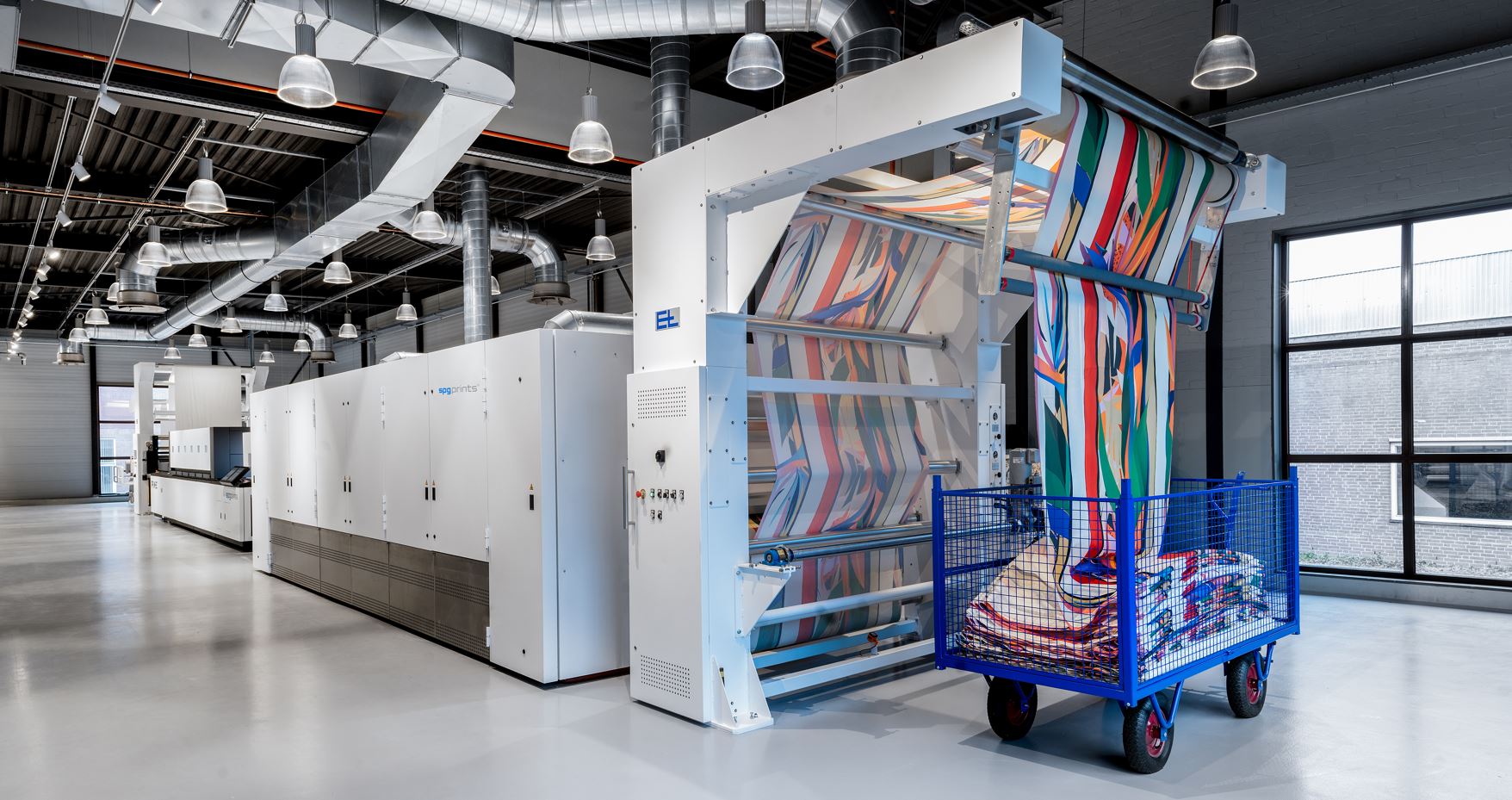
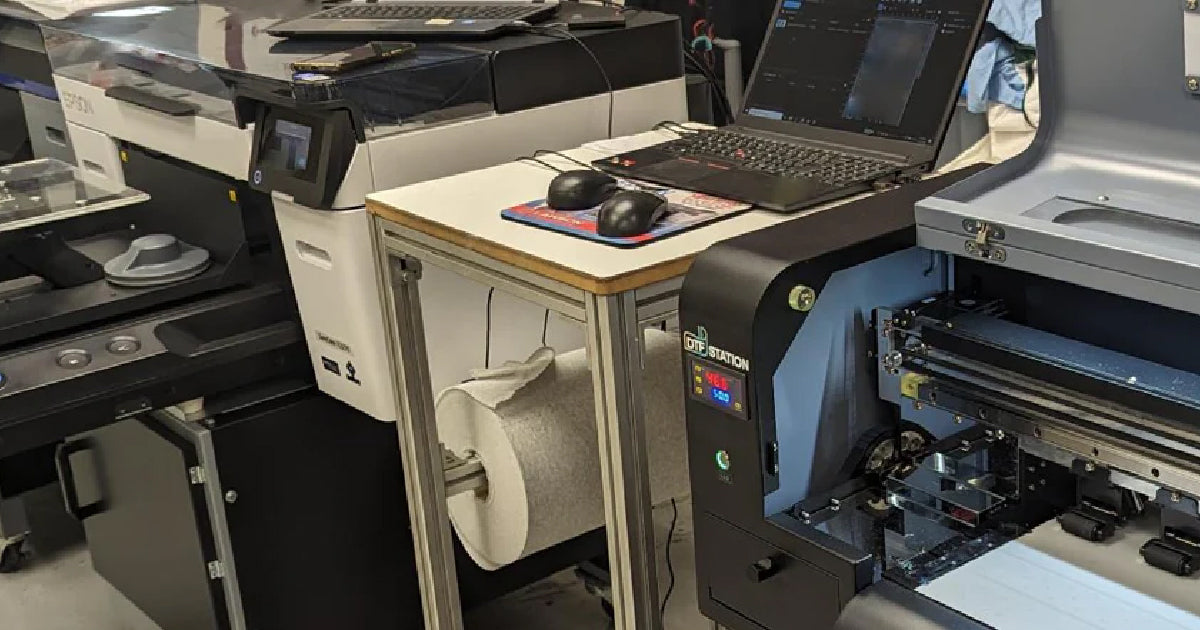
Beyond equipment supply, the company delivers end-to-end solutions, covering technical support, workflow optimization, color management, and after-sales service. Committed to continuous R&D and strict quality control, Colvanta Print aims to help clients reduce production costs and scale their printing business in a competitive market.
In the contemporary industrial landscape, the term "Textile Ink Solutions" has evolved from a simple chemical commodity to a complex pillar of the digital manufacturing ecosystem. China, now the epicenter of this evolution, has transitioned from mass production to high-precision engineering. As Google’s semantic search algorithms prioritize expertise and information gain, understanding the nuances between Pigment, Reactive, Acid, and Disperse inks is no longer optional—it is a competitive necessity for global procurers.
Modern Chinese ink factories utilize sub-micron pigment particles to ensure 24-hour non-clogging performance in high-speed industrial heads like the Epson i3200 and Starfire 1024.
Reliability in the textile sector is defined by OEKO-TEX Standard 100 and GOTS certifications. Top-tier suppliers now integrate VOC-free solvents into their primary chemical R&D.
Innovation in UV-LED and heat-sensitive initiators allows for faster curing times, directly impacting the throughput of large-scale manufacturing lines.
Today’s procurement directors are not just looking for "ink suppliers." They are mining for Total Cost of Ownership (TCO) optimizations. This includes ink consumption ratios, printhead longevity, and color consistency across global production sites. The search intent has moved toward "Localization Support" and "Technical Roadmaps."
The rise of Direct-to-Film (DTF) technology has fundamentally altered ink demand. Unlike traditional DTG (Direct-to-Garment), DTF requires a white ink with specific stretchability and adhesion properties. China's top factories have optimized the "Titanium Dioxide" suspension in white inks to prevent sedimentation, a common failure point in lower-tier solutions.
Transitioning from petroleum-derived polymers to plant-based resins to meet the European Green Deal requirements.
Integration of cloud-based ICC profiling where the ink formulation adjusts dynamically based on substrate humidity and temperature.
Optimizing ink viscosity for the next generation of 100+ kHz frequency printheads, pushing speeds past 600 sqm/h.
For large-scale apparel manufacturers in Vietnam, Bangladesh, and Turkey, the challenge is not just the ink—it's the systemic integration. China's leading suppliers are now providing "Digital Transformation Packages." This includes not only the physical ink but also the automated dissolution systems and color management servers.
Compliance & Logistics: In the post-pandemic era, supply chain resilience is paramount. Top factories are establishing local warehouses in the EU and North America to provide "Just-in-Time" delivery, bypassing the 30-day sea freight lag. This localized support ensures that production lines never stop due to chemical shortages.
Look for third-party lab reports (SGS, Intertek), ISO 9001 certification, and historical performance data on printhead wear-and-tear. Authoritative suppliers will provide detailed MSDS sheets and chemical compatibility charts.
DTG ink is designed to penetrate the fibers of the garment (mostly cotton), while DTF ink is designed to sit on a PET film and then bond with a TPU powder for transfer. DTF ink requires higher flexibility to prevent cracking during transfer.
Yes, premium Chinese inks are specifically formulated for Japanese and European printheads (Epson, Ricoh, Kyocera). The key is to use the correct ICC profile and maintenance routine provided by the supplier.
 Colvanta Print