Maximize your production efficiency and color output precision with our high-grade textile machinery, powder shakers, and custom hardware. Experience direct-factory supply configurations engineered for enterprise stability.
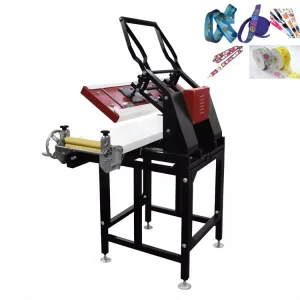
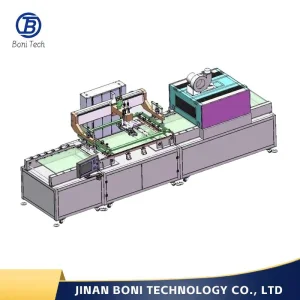
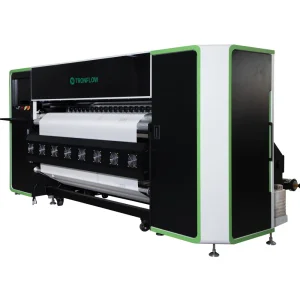
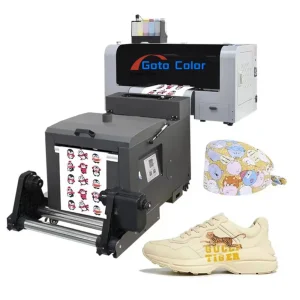
Shenzhen Colvanta Print Co., Ltd. is a professional digital printing machine manufacturer based in Shenzhen, China, specializing in advanced DTF, DTG, and UV DTF printing equipment. With a strong focus on innovation, efficiency, and reliability, the company provides comprehensive printing solutions for global customers in the garment, advertising, and customized product industries.
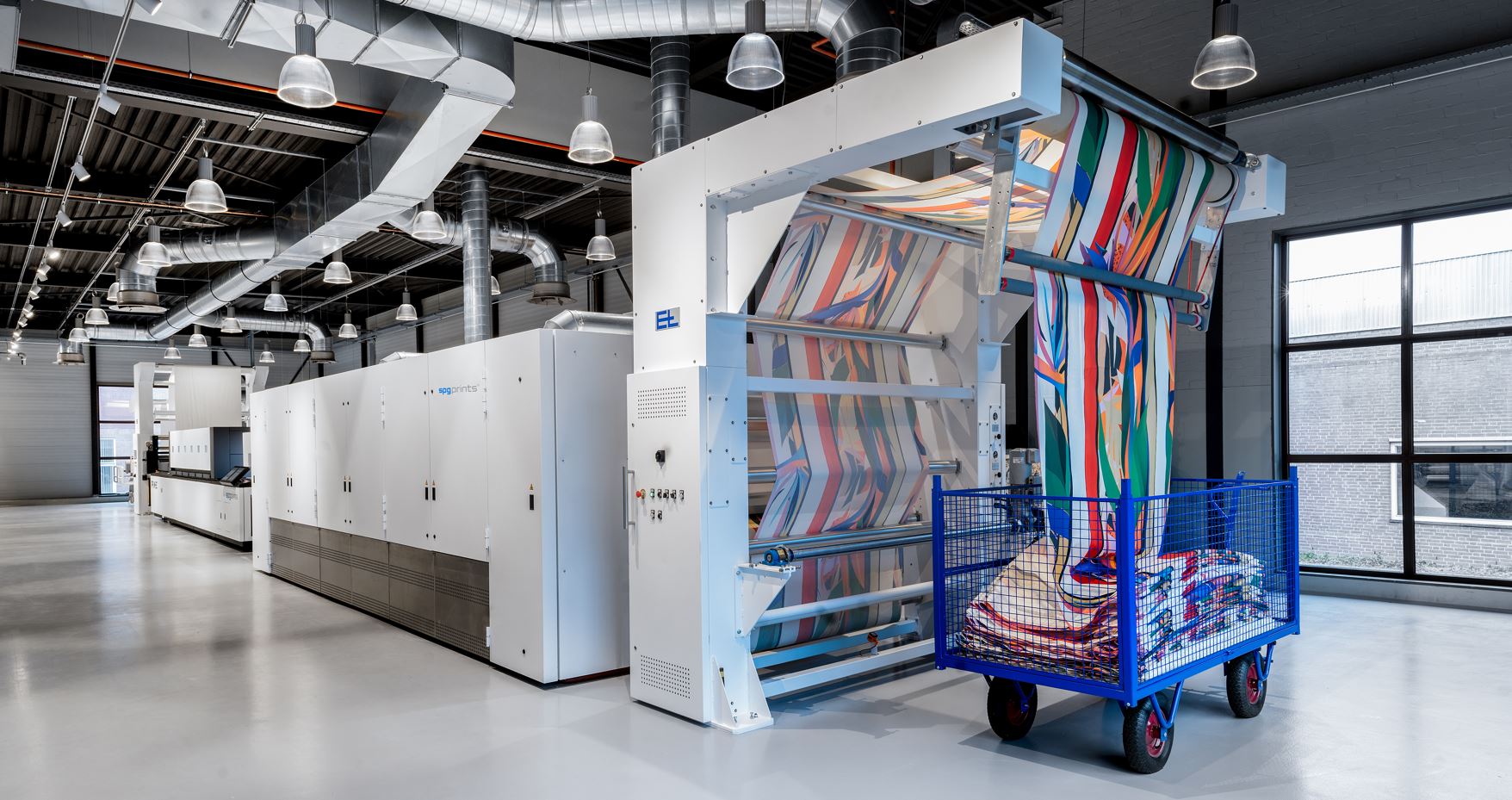
Colvanta Print integrates cutting-edge technology with practical application needs, offering a wide range of machines designed for high-quality textile printing, heat transfer production, and multi-surface customization. Its product line supports various materials including cotton, polyester, blends, leather, and hard surfaces, enabling businesses to expand their product offerings with flexibility.
Beyond equipment supply, the company delivers end-to-end solutions, covering technical support, workflow optimization, color management, and after-sales service. Whether for startups, print shops, or large-scale manufacturers, Colvanta ensures stable performance, user-friendly operation, and consistent output quality.
Committed to continuous R&D and strict quality control, Shenzhen Colvanta Print Co., Ltd. aims to help clients reduce production costs, improve efficiency, and scale their printing business in a competitive market. With global export experience and customer-oriented service, Colvanta Print is dedicated to becoming a trusted partner in the digital printing industry.
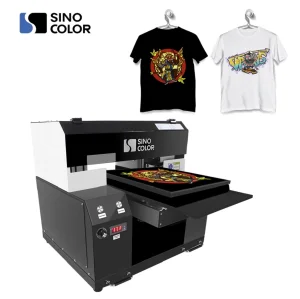
The global digital printing sector is undergoing a profound paradigm shift. Traditional dye-sublimation processes, while remaining dominant for high-polyester sportswear and soft signage, are increasingly intersecting with hybrid technologies. Historically, sourcing from a China sublimation printing equipment factory required choosing between pure dye-sublimation (vaporization onto polyester) and screen printing. Today's commercial landscape, led by innovators like Colvanta Print, combines Direct-to-Film (DTF), Direct-to-Garment (DTG), and UV-DTF into unified, high-efficiency production lines.
This convergence is driven by the demand for hyper-customization, lightning-fast turnaround times, and clean ecological footprints. Buyers are no longer seeking isolated printers; they demand integrated ecosystems that handle media feeding, multi-pass color ink laydown, automated curing, and inline precision finishing.
Integration of advanced Epson I3200 and PrecisionCore printheads. Precision drop placement and variable-sized droplet technology ensure photo-quality definition even at production speeds.
Shift towards water-based pigment inks and OEKO-TEX certified sublimation inks that bypass traditional washing steps, minimizing wastewater runoffs significantly.
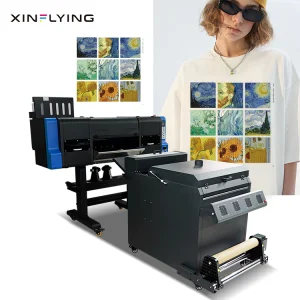
Eliminating manual intervention. Modern roll-to-roll DTF assemblies incorporate automated powdering, shaking, and heat curing ovens to execute job queues without downtime.
Procuring textile machinery from overseas requires balancing initial capital expenditure (CAPEX) with long-term operational costs (OPEX). Enterprise buyers from North America, Europe, and Southeast Asia look for specific indicators of stability, quality, and support when selecting a Chinese supplier.
When sourcing sublimation or DTF machinery, request the factory's dynamic vibration profiles and printhead voltage calibration certificates. Top-tier manufacturers like Shenzhen Colvanta Print perform rigorous calibration and run-in cycles under controlled temperature conditions to eliminate electrical noise before shipping.
An efficient modern print shop does not rely on standalone hardware. Real productivity gains occur when related technologies form a cohesive manufacturing loop. Colvanta Print integrates these technologies to streamline production from digital file preparation to final product finishing.
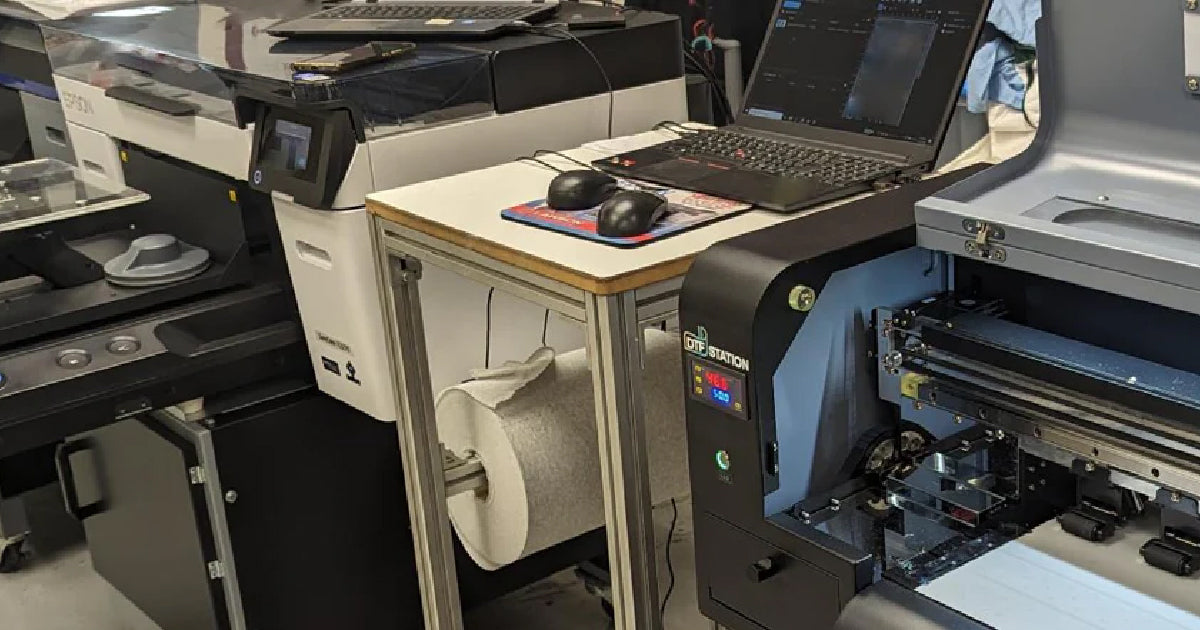
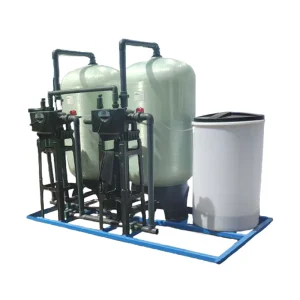
For large-scale printing hubs, water purity determines ink stability. Incorporating RO water treatment systems prevents mineral scaling inside the ink lines and nozzles, extending printhead life.
The DTF workflow requires uniform adhesive application. Integrated powder shakers automatically distribute hot-melt powder across the wet ink layer, shaking off excess before curing in infrared heating tunnels.
High-volume fabric cutting is streamlined with digital programmable cutters and laser unloaders. Automated cameras detect registration marks directly on the printed fabric, ensuring precision cuts.
The horizon of sublimation and digital printing is moving towards Single-Pass Direct Injection and Smart IoT Diagnostics. By eliminating multi-pass carriage sweeps, single-pass architectures achieve speeds comparable to traditional analog rotary screen systems. Furthermore, sensors built into modern print carriages now track ink temperature, viscosity, and atmospheric humidity in real time, auto-adjusting printhead driving voltage to maintain consistent droplet sizes.
In terms of chemistry, the development of hybrid inks that run seamlessly on both natural cotton and synthetic polyester blends without changing printheads is close to maturity. This flexibility will allow manufacturing plants to toggle between apparel types on a single production line, significantly lowering capital overhead.
For enterprise machinery imports, compliance with regional regulations is non-negotiable. Standard certifications, including CE, FCC, and RoHS, ensure the equipment is legally allowed to operate in target jurisdictions. Beyond safety certificates, local support systems are critical to minimizing downtime.
Access to replacement parts is key. Colvanta Print ensures printheads, carriage belts, dampers, and capping stations are stocked locally or shipped globally via express delivery channels.
On-demand technical assistance. Real-time remote login helps operators troubleshoot banding issues, calibrate colors for new substrates, and update RIP profiles without waiting for an on-site engineer.
Clear up technical questions about digital printing setups with direct answers from our engineering team.
Complete your facility layout with advanced post-processing systems, specialized cutters, high-capacity water softeners, and entry-level desktop systems.

 Colvanta Print