Explore our curated selection of high-efficiency digital inkjet, flexographic, and custom printing machinery optimized for seamless integration with precision quality assurance architectures.
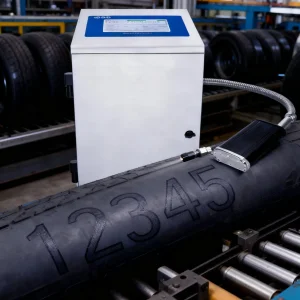
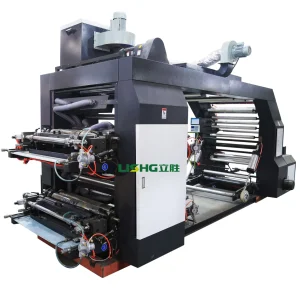
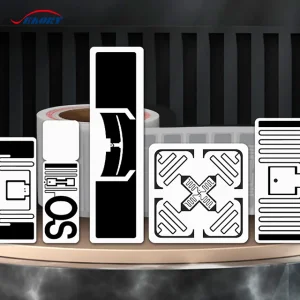
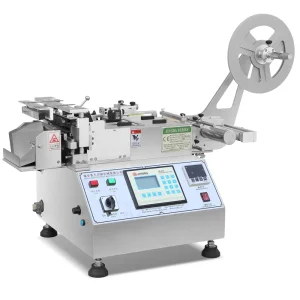
In the highly competitive landscape of industrial manufacturing, maintaining zero-defect output across diverse printing substrates is paramount. High-speed roll-to-roll operations, packaging lines, and customized textile decoration require real-time tracking of registration errors, chromatic deviations, and substrate deformities. Implementing CE Certified Print Quality Control Systems provides manufacturers with both operational assurance and access to regulated international markets.
Shenzhen Colvanta Print Co., Ltd. is a professional digital printing machine manufacturer based in Shenzhen, China, specializing in advanced DTF, DTG, and UV DTF printing equipment. With a strong focus on innovation, efficiency, and reliability, the company provides comprehensive printing solutions for global customers in the garment, advertising, and customized product industries.
By marrying industrial inspection capabilities with state-of-the-art inkjet delivery systems, Colvanta Print integrates cutting-edge technology with practical application needs, offering a wide range of machines designed for high-quality textile printing, heat transfer production, and multi-surface customization. Its product line supports various materials including cotton, polyester, blends, leather, and hard surfaces, enabling businesses to expand their product offerings with flexibility.
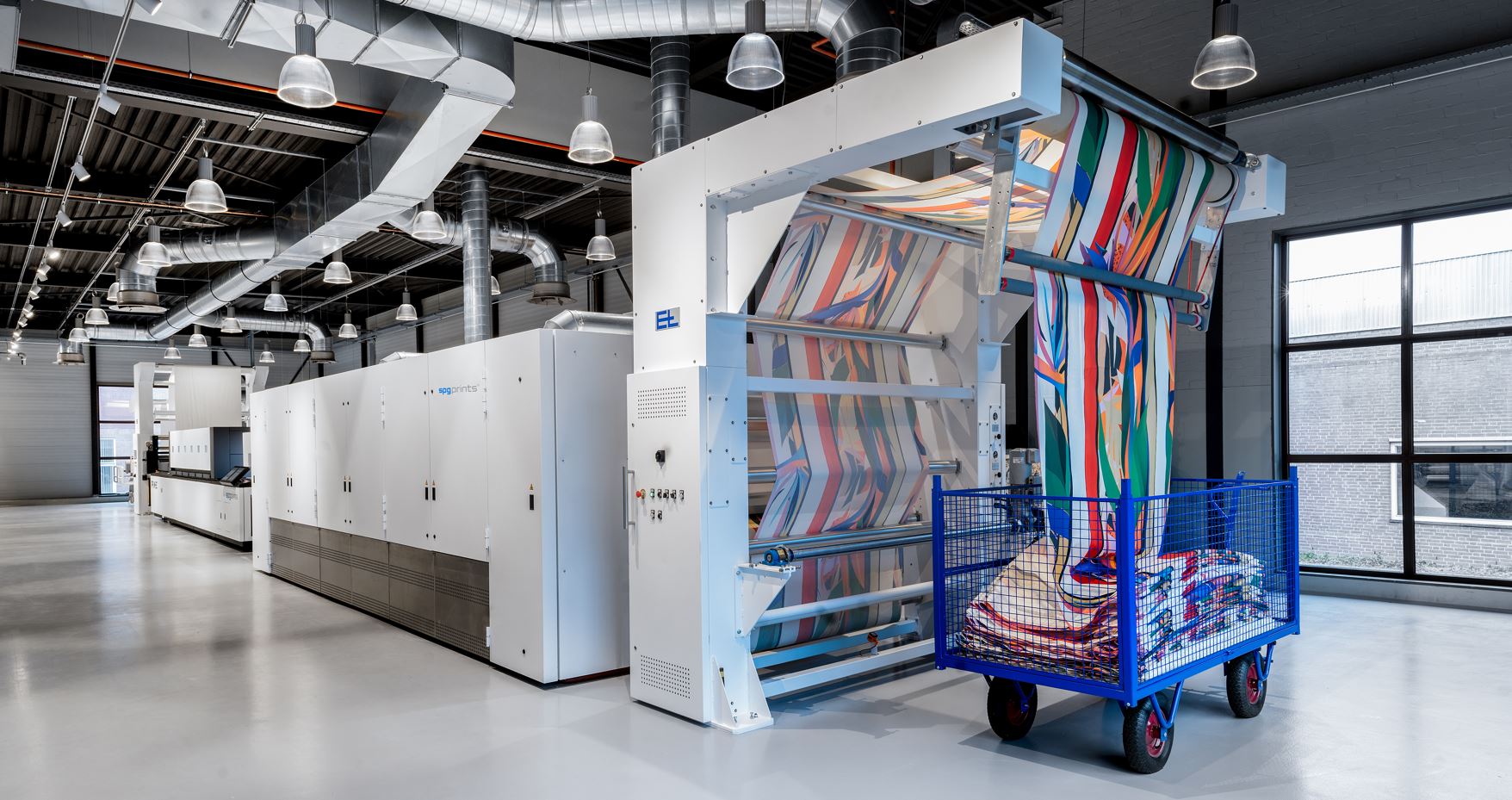
Modern inline quality control relies on high-frequency imaging, rapid calculations, and mechanical closed-loop feedbacks. Standard spot checks are no longer sufficient for roll speeds exceeding 150 meters per minute.
Inline inspection systems use high-speed CCD or CMOS line-scan cameras to capture continuous, high-resolution imagery of the substrate as it exits the print zone. The captured image is immediately split into channels and compared against a golden master image derived directly from the prepress PDF vector file. Using dynamic thresholding and structural similarity indexing (SSIM), the system identifies anomalies down to 0.05 mm².
Utilizes custom ultraviolet (UV), infrared (IR), and RGB spectrum cameras to monitor specialty ink curing, hidden alignment markers, and security codes simultaneously.
An integrated CNN (Convolutional Neural Network) categorizes print defects in real time (e.g., nozzle streaks, hickeys, spatters, or substrate creases) for specific operator alerting.
Real-time spectrophotometer measurements transmit Delta E data directly back to the printhead drivers, adjusting voltage or ink volumes on the fly to prevent color drift.
As processing power increases and camera sensors become more affordable, quality control systems are shifting from diagnostic roles to predictive ones.
Historically, inline inspection systems merely flagged errors, signaling operators to stop the press or mark defective rolls. The upcoming generation of CE-marked quality control systems features decentralized edge-computing devices mounted directly onto individual printing carriage rails. These micro-inspectors analyze sub-pixel data locally, reducing latency to milliseconds.
The roadmap integrates deep neural networks trained on historical print run databases. By analyzing micro-vibrations, ink temperature gradients, and environmental humidity alongside image data, systems can predict nozzle clogs or web tension issues before they manifest as visual defects. This transition from reactive defect containment to predictive prevention represents the future of zero-waste industrial printing.
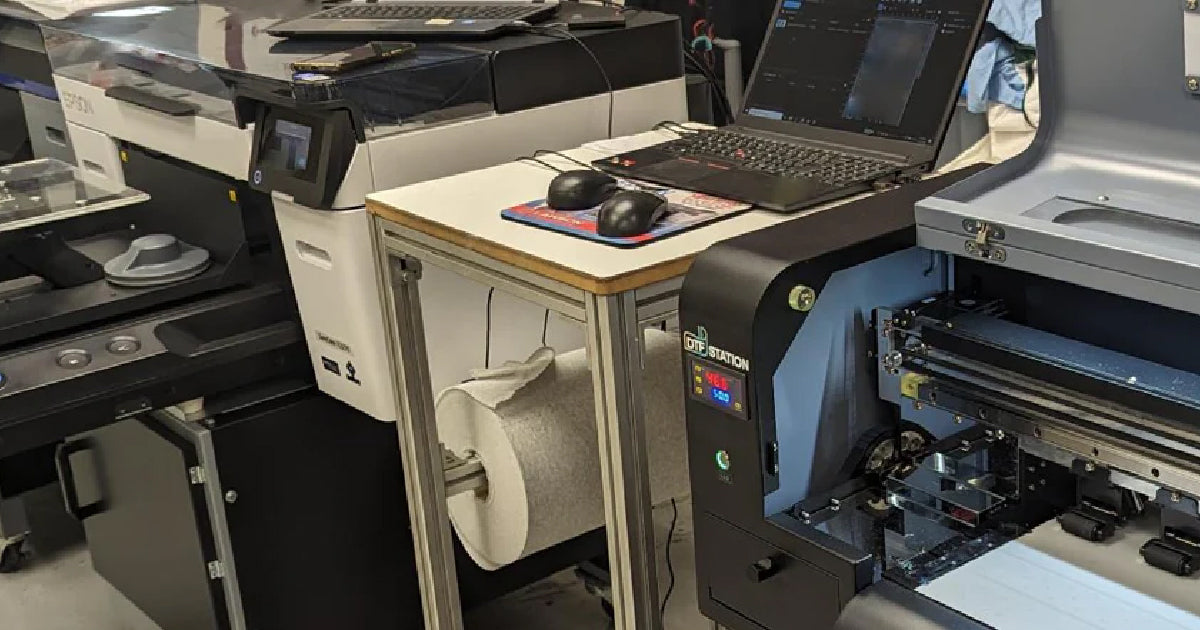
Beyond equipment supply, the company delivers end-to-end solutions, covering technical support, workflow optimization, color management, and after-sales service. Whether for startups, print shops, or large-scale manufacturers, Colvanta ensures stable performance, user-friendly operation, and consistent output quality.
Modern print houses do not print on a single medium. The same company might handle direct-to-garment (DTG) orders, roll-to-roll banner runs, and UV flatbed printing on plastics and glass. This calls for highly adaptable quality control pipelines that adjust sensitivity based on the target substrate:
CE certification is not merely a label; it is a holistic approach to engineering safety, electromagnetic compatibility, and machine reliability.
A CE certified print quality control system conforms to crucial European Directives, including the Machinery Directive 2006/42/EC and the Electromagnetic Compatibility (EMC) Directive 2014/30/EU. For the print room, this guarantees that inspection equipment does not interfere with the electrical frequency of printheads, and that safety interlocks integrate seamlessly with standard emergency stops.
Furthermore, global distribution requires localized compliance. Shenzhen Colvanta Print ensures that all export-bound equipment features multi-language user interfaces, localized power phase matching, and localized customer support networks. This reduces downtime during installation and ensures compliance with occupational safety regulations in Europe, the Americas, and APAC regions.
Ensures that high-frequency optical signals and camera power lines do not introduce noise into sensitive piezo printhead signals, preventing misfires.
Features hardware-level stop relays that halt paper feed mechanisms and shut off UV curing lamps instantly when safety hoods are lifted.
Equipped with English, German, French, Spanish, Japanese, and Chinese UI localizations, easing integration for international workforces.
Shenzhen's unique hardware ecosystem enables Colvanta Print to manufacture high-complexity machinery with rapid iteration speeds and lower overhead costs.
Committed to continuous R&D and strict quality control, Shenzhen Colvanta Print Co., Ltd. aims to help clients reduce production costs, improve efficiency, and scale their printing business in a competitive market. With global export experience and customer-oriented service, Colvanta Print is dedicated to becoming a trusted partner in the digital printing industry.
This competitive edge is backed by the China Factory 4.0 manufacturing framework. By establishing vertical integration pathways with high-precision camera component manufacturers, lens makers, and LED array suppliers in the Pearl River Delta, Colvanta reduces parts sourcing lead times from weeks to days. Additionally, rigorous internal assembly standards and environmental testing chambers guarantee that every quality control unit is calibrated for thermal and mechanical resilience before shipping worldwide.
Procuring high-value quality control infrastructure requires clear technical evaluation matrices. The checklist below helps procurement directors mitigate risk:
Get detailed technical answers regarding the integration, calibration, and capabilities of modern CE Certified print quality control devices.
Heavy-duty hardware optimized for continuous batch runs, commercial customized transfer films, and specialized industrial printing demands.



 Colvanta Print