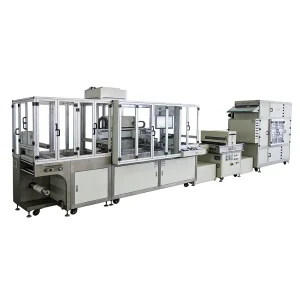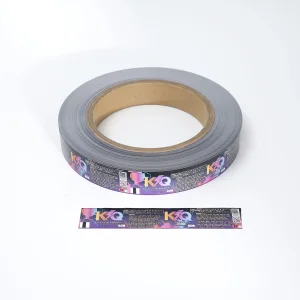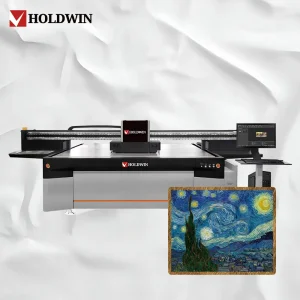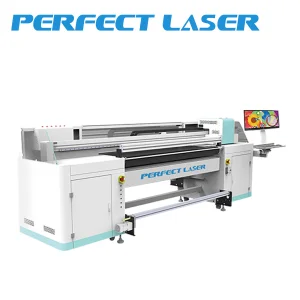
The global industrial printing sector is undergoing a profound paradigm shift. Traditional static runs are rapidly yielding ground to dynamic, digital-on-demand printing solutions. This transformation is driven by shifting consumer dynamics, demanding immediate order fulfillment, infinite customization options, and strict compliance with global environmental standards. Standard manufacturing workflows can no longer support the complex, high-precision customization requirements of niche vertical industries.
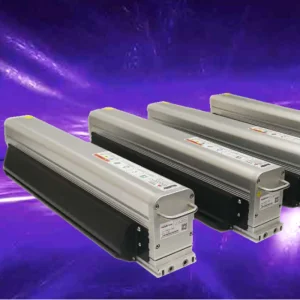
Emerging technologies like Direct-to-Film (DTF), high-throughput UV curing, and substrate-agnostic digital systems have evolved from niche experimental concepts into mainstream production solutions. These methods bypass the high setup costs, intense water usage, and physical stencil requirements of conventional screen printing. Modern digital printing configurations enable direct ink deposition on varied substrates, including organic textiles, synthetic polymers, metals, structural wood, and borosilicate glass. The addition of industrial LED UV curing processes speeds up cross-linking polymer times, producing durable, chemically resistant coatings that withstand severe stress tests.
On-demand printing enables dynamic micro-run configuration, allowing businesses to adapt to seasonal trends without surplus inventory.
Modern UV formulation inks generate near-zero volatile organic compounds (VOCs), achieving compliance with rigorous European chemical rules.
Advanced ink adhesion profiles permit high-fidelity output on rigid, flexible, woven, porous, or non-porous structural mediums.
International industrial procurement teams prioritize hardware durability, ease of integration, and total cost of ownership (TCO) over basic raw cost. Procurement departments look for reliable technology partners capable of delivering machines that combine precision engineering, smart diagnostic software, and simple ink refilling systems. Achieving a low TCO requires utilizing industrial printhead tech (such as Epson i3200 or Ricoh G5/G6) designed for continuous, multi-shift operation.
Key procurement requirements include:
Premium steel structure design and linear guide rails prevent micro-vibrations, ensuring precise ink dot alignment over years of operation.
Compatibility with international ICC profiling and professional RIP packages like Photoprint or CADlink ensures consistent color matching across production batches.
Low-energy LED curing modules reduce power use by up to 40% compared to traditional mercury arc drying systems.
Optimized ink consumption algorithms, combined with zero screen setup times, help print service providers achieve profitability within months.
Shenzhen Colvanta Print Co., Ltd. is a professional digital printing machine manufacturer based in Shenzhen, China, specializing in advanced DTF, DTG, and UV DTF printing equipment. With a strong focus on innovation, efficiency, and reliability, the company provides comprehensive printing solutions for global customers in the garment, advertising, and customized product industries.
Colvanta Print integrates cutting-edge technology with practical application needs, offering a wide range of machines designed for high-quality textile printing, heat transfer production, and multi-surface customization. Its product line supports various materials including cotton, polyester, blends, leather, and hard surfaces, enabling businesses to expand their product offerings with flexibility.
Beyond equipment supply, the company delivers end-to-end solutions, covering technical support, workflow optimization, color management, and after-sales service. Whether for startups, print shops, or large-scale manufacturers, Colvanta ensures stable performance, user-friendly operation, and consistent output quality.
Committed to continuous R&D and strict quality control, Shenzhen Colvanta Print Co., Ltd. aims to help clients reduce production costs, improve efficiency, and scale their printing business in a competitive market. With global export experience and customer-oriented service, Colvanta Print is dedicated to becoming a trusted partner in the digital printing industry.
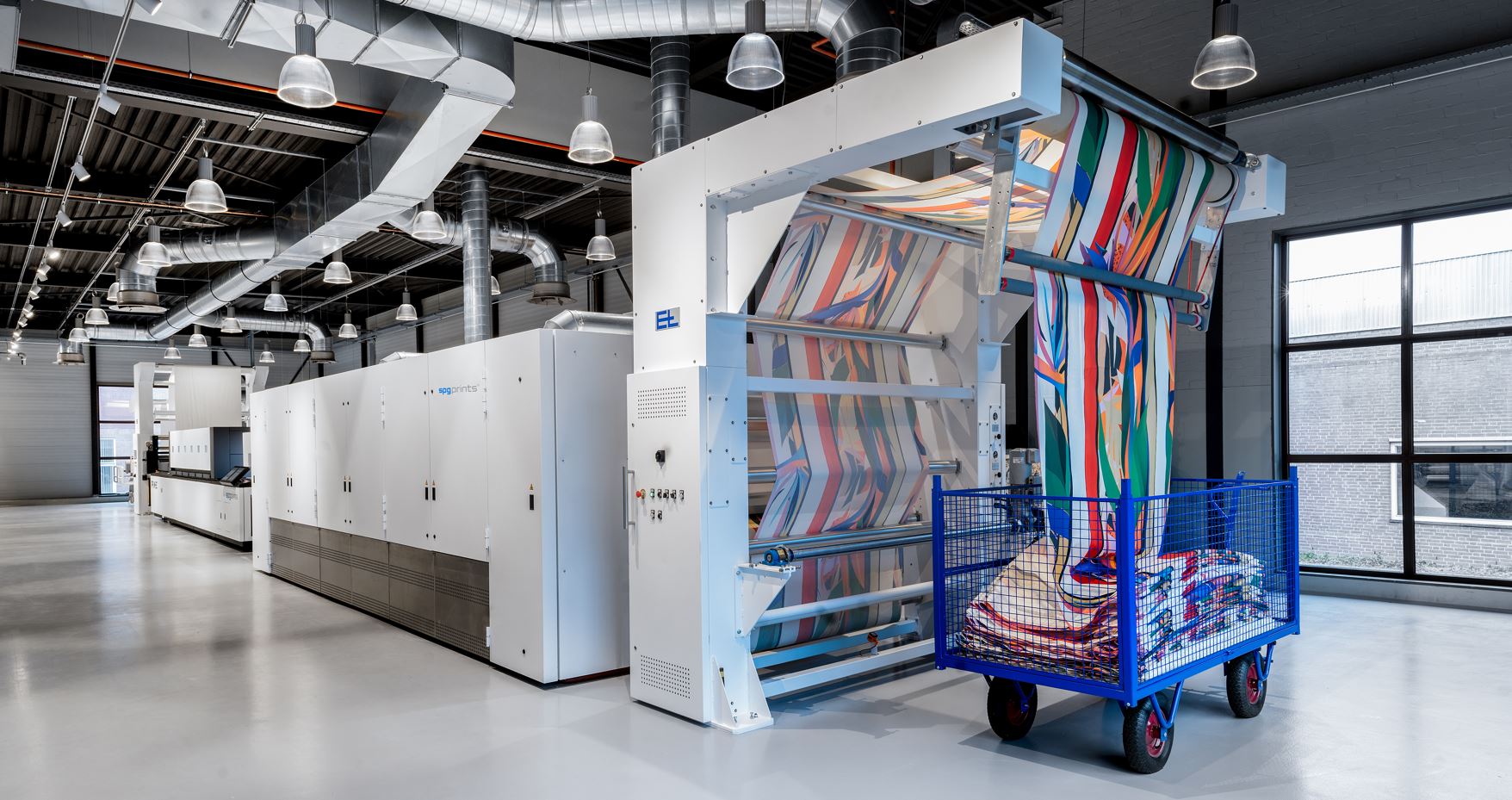
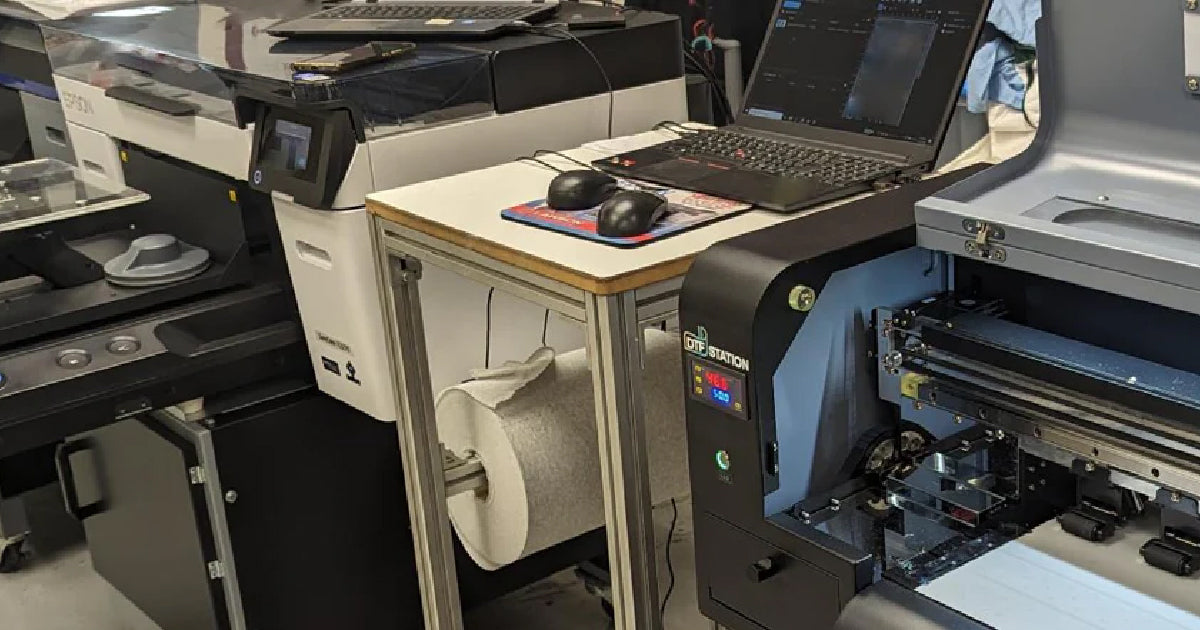
China's industrial digital printing ecosystem stands as a model of supply chain integration and manufacturing efficiency. Shenzhen's position as a global technology hub provides access to a comprehensive supply network, including electronic components, precise mechanical assemblies, high-purity inks, and software development resources. This proximity enables companies like Shenzhen Colvanta Print Co., Ltd. to rapidly move innovations from R&D stages to production lines faster than international competitors.
Our Factory 4.0 strategy is built on three main pillars:
Managing the manufacturing process from chassis fabrication to software integration ensures consistency and quality control at every stage.
Every printer undergoes a continuous 72-hour stress-test protocol to verify ink flow, carriage movement, and electronics reliability before shipping.
Our equipment meets international CE, FCC, and RoHS standards, facilitating smooth import customs clearance for global buyers.
Furthermore, our direct access to logistics hubs in Shenzhen, Guangzhou, and Hong Kong guarantees efficient shipping options, reducing lead times for machinery and consumable supplies. In a fluctuating market, this operational agility provides our international clients with a reliable supply chain partner.
Our versatile hardware systems are designed for high-performance operation across diverse commercial and industrial application environments:
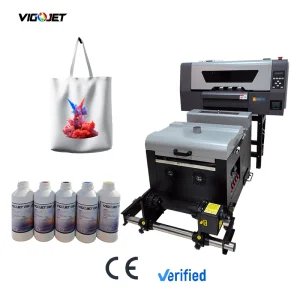
Using our high-productivity DTF printing setups, garment manufacturers can produce detailed, stretch-resistant prints on cotton, polyester, and performance blends without requiring color separations.
Using our heavy-duty flatbed UV digital printers, custom interior design firms print high-resolution imagery directly onto glass backsplashes, acoustic wood paneling, and PVC partitioning panels.
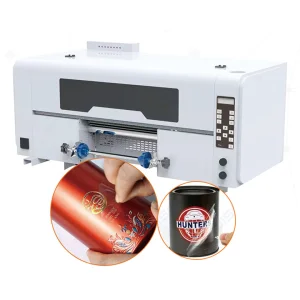
UV DTF transfer films and direct-to-object cylindrical printers allow packaging teams to decorate textured materials, metal containers, and glass water bottles without the need for custom fixtures.
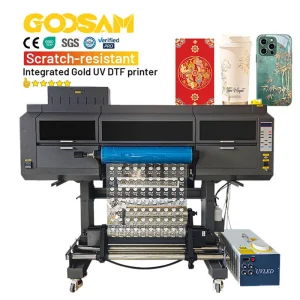
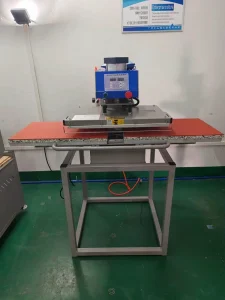
Traditional DTF (Direct-to-Film) is designed primarily for porous fabrics like cotton and polyester, requiring heat transfer film, hot-melt adhesive powder, and a heat press to apply the image. In contrast, UV DTF utilizes UV-curable inks with varnish, printing onto an 'A' film and laminating with a 'B' transfer film. The finished sticker can be cold-transferred onto rigid surfaces (like glass, metal, and plastic) by hand pressure, without requiring heat application.
We configure our machines with active ink circulation systems (particularly for white inks containing heavy titanium dioxide) and automated cleaning stations. These stations regularly cap, wipe, and flush printheads when idle. Additionally, we integrate sub-tank heating units to maintain uniform viscosity across varying ambient factory temperatures.
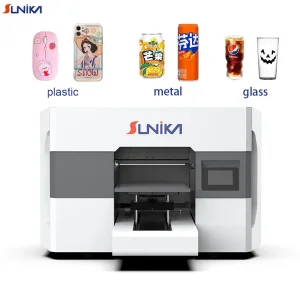
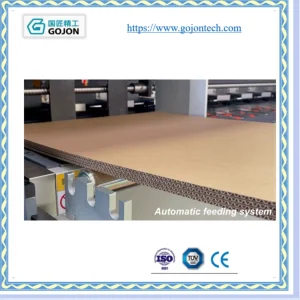
Our UV flatbed printers handle diverse rigid and flexible substrates, including acrylic, glass, wood, PVC sheets, leather, aluminum composites, ceramic tiles, and corrugated cardboard. For challenging substrates like glass or metal, we recommend applying a chemical primer prior to printing to maximize ink adhesion.
We provide comprehensive remote support, including initial setup guidance, online training, software configuration, and live troubleshooting. Our international customer service team is staffed by English-speaking engineers who can connect directly to your system via TeamViewer or video call to resolve operational issues.
 Colvanta Print