Explore our elite selection of industrial printing systems designed for extreme resolution, reliable throughput, and versatile substrates.
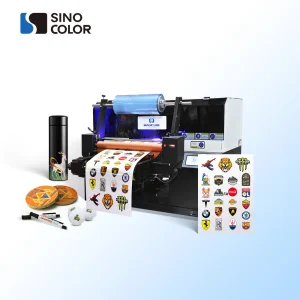
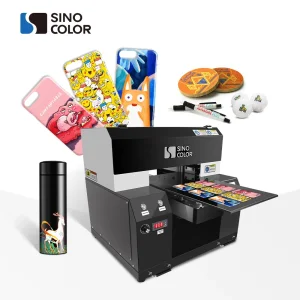
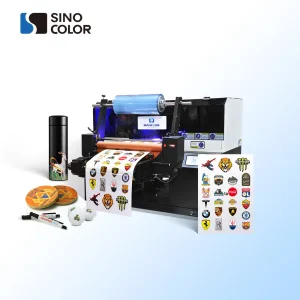
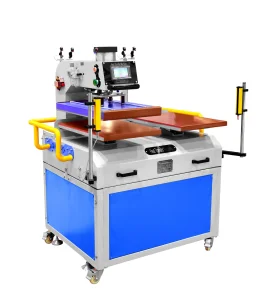
The global industrial printing market is undergoing a fundamental transformation. Modern consumers and enterprise brands demand short-run versatility, high color fidelity, and rapid product realization cycles. Traditional analog screen-printing architectures, despite their high-volume speed, fail to address the customization demands of 21st-century commerce. Digital heat transfer systems, direct-to-film (DTF) technologies, and hybrid UV-DTF platforms have emerged to bridge this gap, enabling high-quality personalization on textiles, polymers, metals, and composite structures.
As a leading engineering hub in this transformation, Shenzhen Colvanta Print Co., Ltd. has established itself as an authoritative manufacturer, combining digital software precision with robust mechanical gantries to serve clients across Europe, the Americas, and Southeast Asia. The transition from heavy setups to dynamic, ink-efficient print systems represents not just a change in equipment, but a shift toward lean, on-demand supply chain operations.
In evaluating the value of heat transfer systems, industrial buyers must look beyond initial hardware pricing to compute Total Cost of Ownership (TCO). This metric includes printhead replacement cycles, powder consumption efficiencies, ink filtration system integrity, and system downtime profiles. Our engineering benchmarks demonstrate that integrating dual Epson i3200 micro-TFP channels alongside automated circulation arrays can reduce maintenance-related downtime by up to 34% compared to legacy architectures.
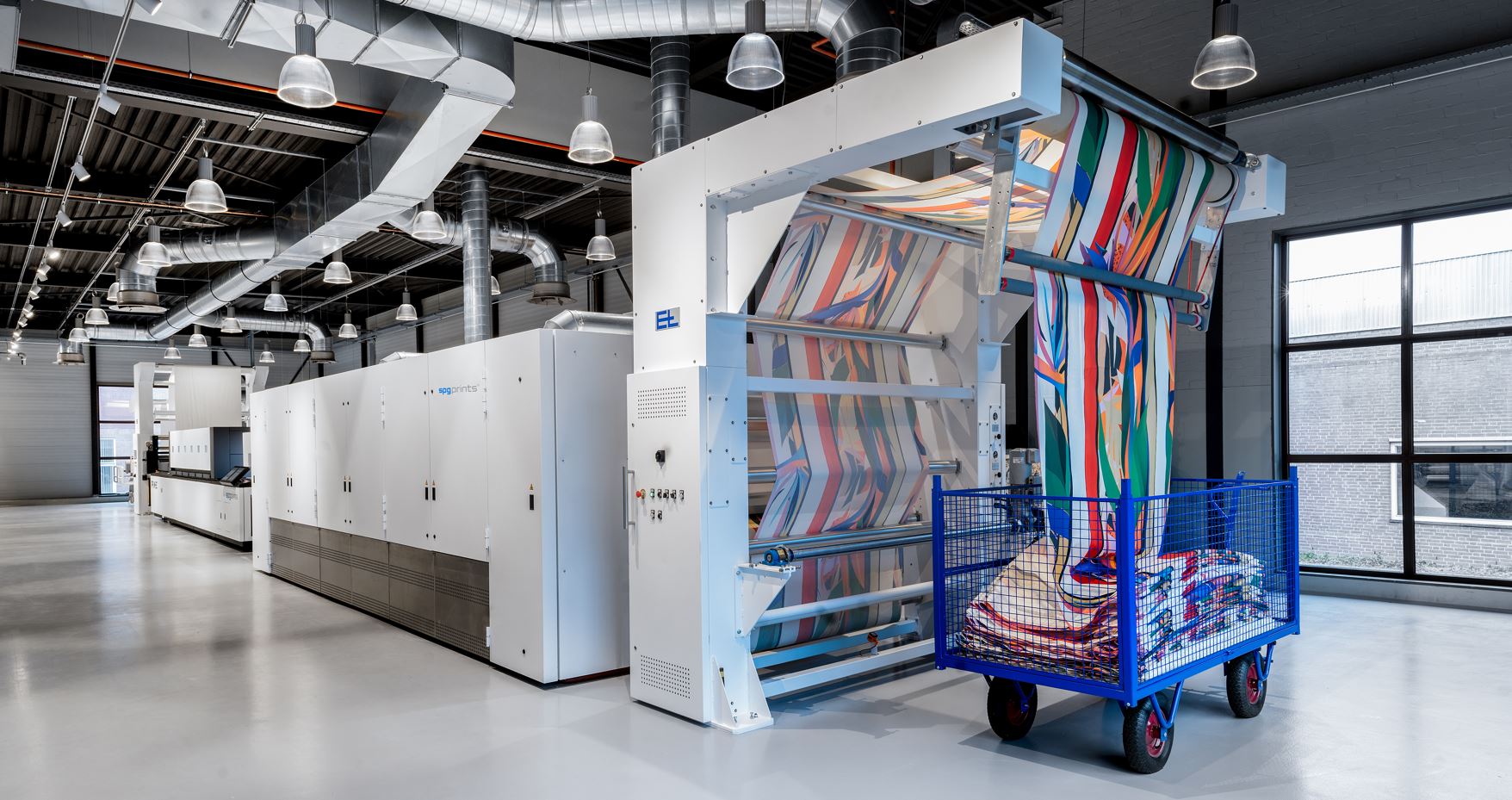
Shenzhen Colvanta Print Co., Ltd. is a professional digital printing machine manufacturer based in Shenzhen, China, specializing in advanced DTF, DTG, and UV DTF printing equipment. With a strong focus on innovation, efficiency, and reliability, the company provides comprehensive printing solutions for global customers in the garment, advertising, and customized product industries.
Colvanta Print integrates cutting-edge technology with practical application needs, offering a wide range of machines designed for high-quality textile printing, heat transfer production, and multi-surface customization. Its product line supports various materials including cotton, polyester, blends, leather, and hard surfaces, enabling businesses to expand their product offerings with flexibility.
Beyond equipment supply, the company delivers end-to-end solutions, covering technical support, workflow optimization, color management, and after-sales service. Whether for startups, print shops, or large-scale manufacturers, Colvanta ensures stable performance, user-friendly operation, and consistent output quality. Committed to continuous R&D and strict quality control, Shenzhen Colvanta Print Co., Ltd. aims to help clients reduce production costs, improve efficiency, and scale their printing business in a competitive market. With global export experience and customer-oriented service, Colvanta Print is dedicated to becoming a trusted partner in the digital printing industry.
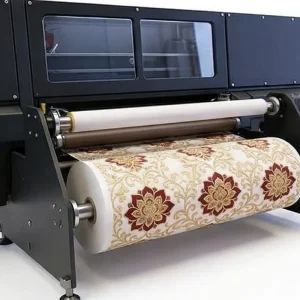
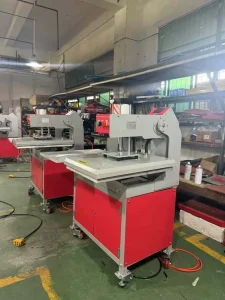
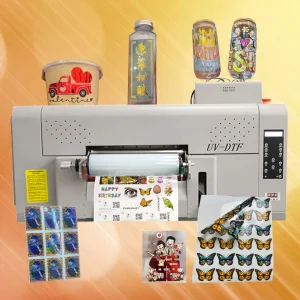
The convergence of multi-surface flatbed UV DTF technologies with classic roll-to-roll heat transfer presses has expanded the limits of custom manufacturing. Modern printshops are no longer restricted to rigid material categories. An operator can execute high-adhesion film prints for a cylindrical perfume bottle, customize high-performance athletic footwear, and run roll-to-roll garments sequentially on the same floor using shared color management protocols.
By leveraging automated tension control, real-time heat zone management, and anti-static bars, Colvanta Print systems reduce common operator errors such as film deformation, ink bleeding, and structural adhesive voiding, ensuring high reliability in 24/7 industrial production environments.
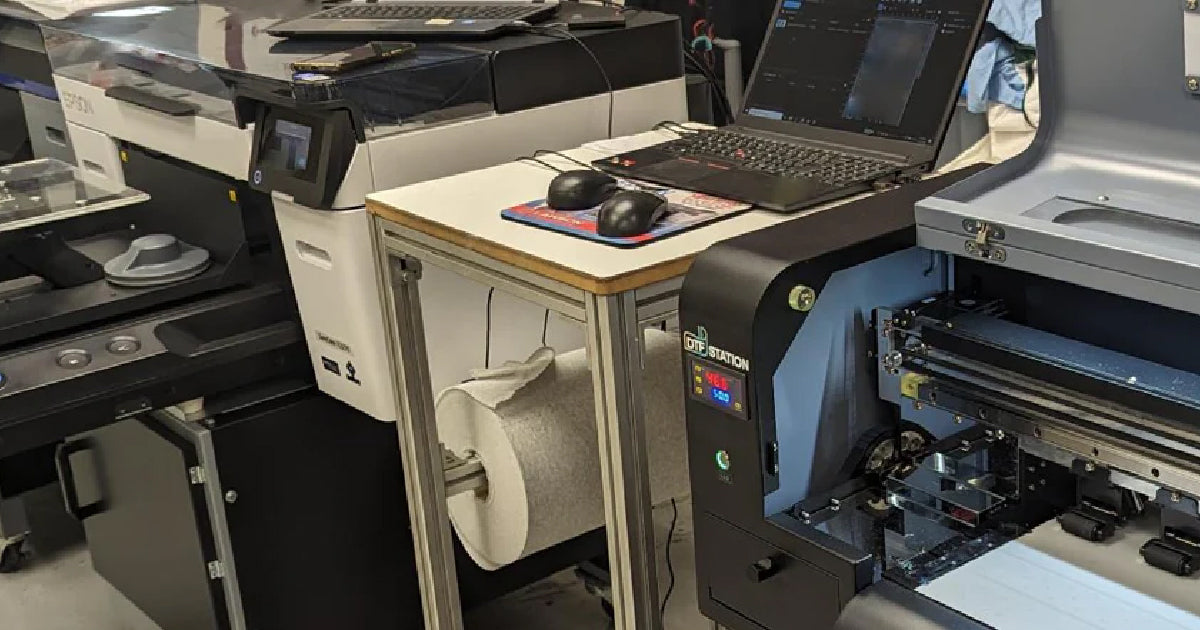
The international heat transfer market is driven by several macroeconomic shifts. Understanding these shifts helps procurement officers optimize their capital expenditure (CapEx) schedules:
Shenzhen, China stands as the global epicentre for digital printing R&D and supply chain integration. The region offers several distinct advantages for industrial digital heat transfer production:
Proximity to precision rail systems (such as Japanese THK guides), specialized micro-piezo printhead distributors, and top-tier control mainboard manufacturers (like Hoson) ensures rapid optimization of hardware configurations.
Rapid iterative prototyping cycles mean that field feedback regarding heating tunnel profiles, media sensors, or powder shaker dynamics can be engineered into factory models in weeks, compared to years for overseas competitors.
Optimized assembly processes, skilled CNC operators, and volume sourcing of structural components allow Colvanta Print to offer industrial-grade gantries at competitive capital costs, accelerating customer ROI.
Digital transfer technology applies across a wide variety of production lines. Key localized use cases include:
Athletic apparel requires high elasticity and breathability. Traditional transfers can crack when stretched. Modern DTF solutions utilize premium TPU hot-melt adhesive powders with excellent recovery characteristics. Combined with water-based pigment inks, they maintain soft hand-feel and long-lasting durability through more than 50 standard commercial laundry cycles.
The cosmetic sector demands high chemical and physical resistance. Perfume labels, for example, are exposed to high concentrations of solvent-based alcohol. Colvanta’s corrosion-resistant UV DTF print systems utilize specialized UV-curable inks with high cross-linking density, ensuring text and metal accents remain intact even after direct contact with volatile solvents.
Outdoor promotional displays require high UV resistance to prevent fading. By incorporating Epson i3200-U1 HD printheads with high-stability UV-curable inks, advertising systems produce vivid, weather-resistant graphics that resist fading and peeling under direct sunlight and variable temperature conditions.
Purchasing high-performance digital printing and heat transfer systems involves several technical and logistical variables. Procurement officers should evaluate suppliers using the following criteria:
Answers to common industry questions regarding DTF, UV-DTF, and high-volume heat transfer systems.
Explore additional systems designed to optimize your production workflow and expand customization capabilities.
 Colvanta Print