High-performance production lines, printing systems, and packaging automations optimized for industrial-scale enterprises.
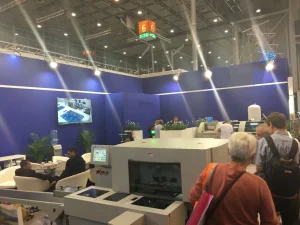
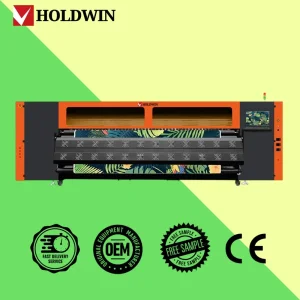
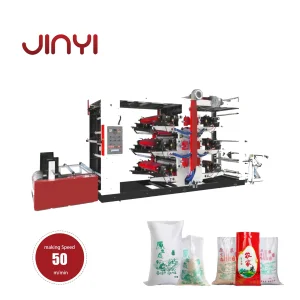
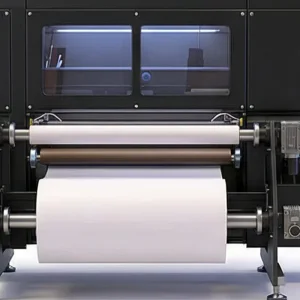
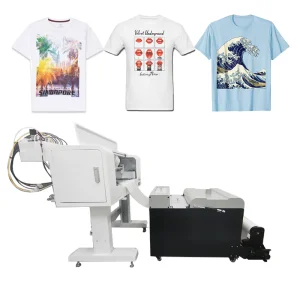

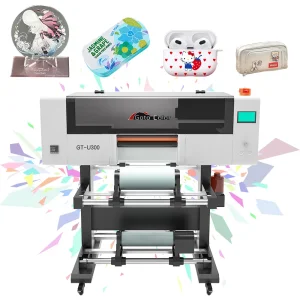
Shenzhen Colvanta Print Co., Ltd. stands at the forefront of the global manufacturing paradigm as a professional digital printing machine manufacturer. Based in Shenzhen, the silicon valley of China's hardware and engineering innovation, our facilities specialize in advanced DTF (Direct-to-Film), DTG (Direct-to-Garment), and UV DTF printing equipment. We integrate continuous scientific research and development with strict, systemized manufacturing procedures to ensure that high-efficiency, reliable, and cost-effective solutions reach our worldwide distribution network.
With an unwavering commitment to engineering excellence, Colvanta Print integrates state-of-the-art printhead tech, advanced RIP processing, and automated mechanical handling. This synergy translates practical application needs into stable, high-production machinery designed for high-quality textile printing, heat transfer production, and multi-surface customization. Our machinery supports vast substrates including cotton, polyester, blends, leather, acrylic, metal, and hard surfaces, empowering scalable micro-factories and large-scale manufacturing facilities alike.
Our mandate is clear: deliver complete, end-to-end industrial printing integration that covers specialized mechanical configuration, custom color profile management, dynamic workflows, and comprehensive technical maintenance support, ensuring startups and global corporations alike scale effectively.
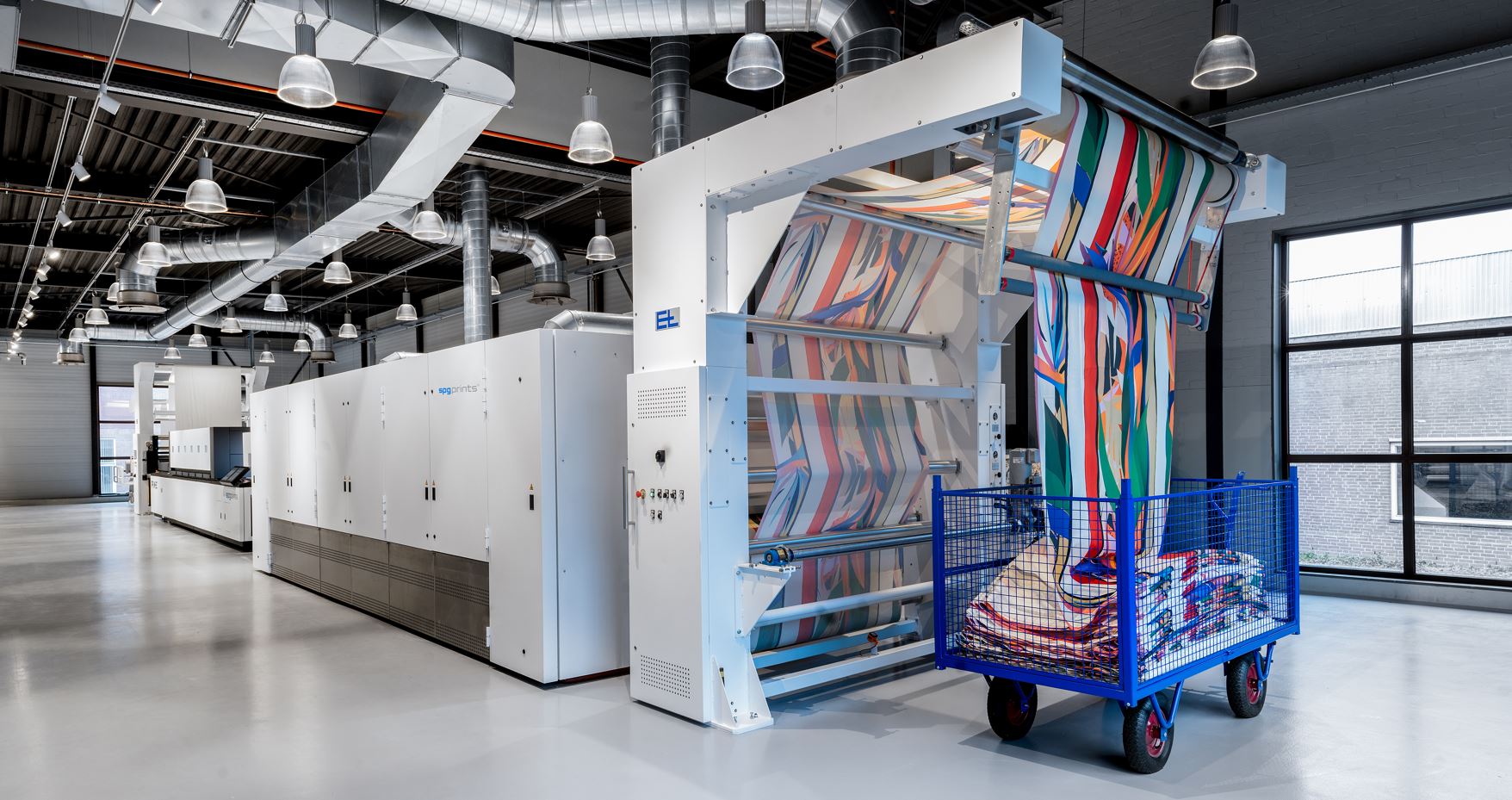
An authoritative analysis of semantic shifts, technological drivers, and clean-energy adaptations within the worldwide printing sector.
Traditional manufacturing setups suffer from high minimum order quantities (MOQs) and substantial warehousing overheads. Digital textile innovations, particularly Roll-to-Roll DTF systems, permit instant design switching without plate-making overheads, aligning with global demand for zero-inventory and high-speed fast fashion cycles.
Modern printing relies heavily on advanced industrial printheads. Multi-head setups (up to 24 heads in sublimation configurations) allow high-density ink firing with micro-piezo technology, enabling linear print speeds that rival rotary screen printing while achieving 1200+ DPI photographic resolution.
With international certifications like OEKO-TEX Standard 100, REACH, and RoHS becoming mandatory, manufacturers are engineering printers around water-based pigment inks and automated powder-feeding systems. This integration guarantees non-hazardous, low-emissions production environments.
The international digital textile market is transforming. B2B purchasers are no longer just procuring stand-alone printing machinery; they are seeking unified, integrated ecosystems that optimize total cost of ownership (TCO) and maximize uptime. A modern printing setup is only as strong as its weakest link. By integrating advanced filtration systems, IoT monitoring, and automatic powder-feed mechanisms, Colvanta Print ensures that every downstream process matches the high-speed output of the digital front-end (DFE).
Consider the application of pigment inks: historically, issues such as nozzle clogging, inconsistent curing, and poor color fastness limited B2B adoption. However, by incorporating continuous white ink circulation, sub-tank heating, and automated printhead wiping systems, contemporary platforms deliver industrial-grade stability. This mitigates downtime, allowing systems to operate unsupervised over night shifts to meet tight delivery schedules.
To successfully integrate digital printing into traditional garment, advertising, and packaging production lines, companies must look beyond the printer. A comprehensive solution requires the integration of materials preparation, high-precision thermal transfer, and inline finishing automations.
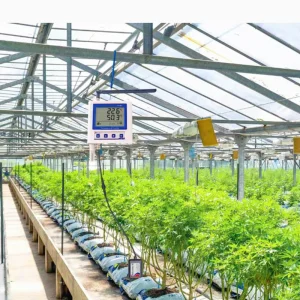
Shenzhen Colvanta Print Co., Ltd. customizes plant layouts to match regional environmental variations. For instance, the performance of DTF powder adhesives and pigment inks is highly sensitive to ambient humidity and temperature. Our integration of IoT-Enabled Greenhouse & Industrial Climate Monitoring Systems guarantees real-time environment regulation, maintaining optimal conditions for precision printing. Furthermore, our closed-loop 7-Stage RO Drinking Water Reverse Osmosis Filtration & Commercial UV Water Systems ensure that water utilized in pre-treatment and dyeing lines is free from mineral contaminants that compromise ink bonding and print head longevity.
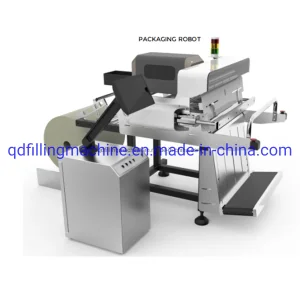
From automatic yarn dye powder-feeding systems to automated inline garment folders and packers, our technical engineering team delivers a unified workflow. This reduces manual intervention by up to 70%, boosting operational efficiency and dramatically lowering reject rates.
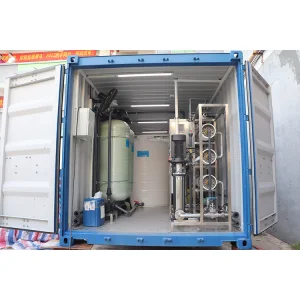
Integrating high-efficiency RO water systems ensures mineral-free dilution, preventing scale buildup in industrial nozzles and enhancing dye fastness on natural fibers.
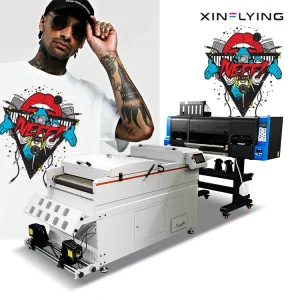
Combining printing with automated powder shaking, infrared tunnel drying, and automatic packing creates a continuous workflow from raw fabric to ready-to-ship garments.
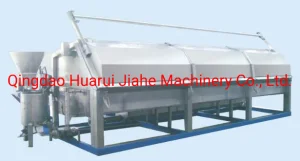
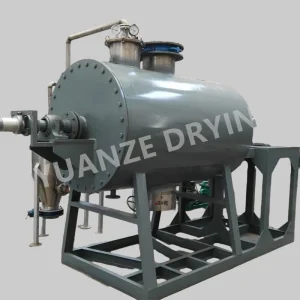
Utilizing high-efficiency vacuum harrow dryers and variable UV curing systems minimizes energy consumption while improving ink polymerization and mechanical wash resistance.
A rigorous engineering guide for procurement managers, logistics heads, and technical operations supervisors.
| Sourcing Parameter | Traditional Screen Setup | Colvanta Digital Innovation Systems | Enterprise Value Gain |
|---|---|---|---|
| Setup Time & Cost | High (requires physical screens, manual alignment) | Zero (direct digital RIP output from file) | Enables single-unit customization and rapid sample proofing. |
| Color Limitations | Limited by screen stations (typically 4-10 colors) | Infinite (CMYK + W + Varnish / Fluorescent gradients) | Supports complex photographic gradients and high-impact visual design. |
| Chemical & Water Waste | High (large quantities of wash water and screen chemicals) | Minimal (precise droplet deposition, closed RO loop) | Easily complies with local EPA standards and zero-discharge regulations. |
| Space Requirements | Large footprint (drying tunnels, screen cleaning bays) | Compact / Modular (integrated printer-shaker-curing setups) | Maximizes floor space productivity, lowering real estate costs. |
When sourcing print lines from China, international enterprises prioritize regulatory compliance, machinery certification, and environmental health standards. All machinery designed and manufactured by Colvanta Print undergoes rigorous stress-testing to meet global safety standards. Our product catalog features full CE certifications, electrical layouts conforming to UL/CSA directives for North American integration, and electrical components carrying FCC approvals.
Furthermore, our advanced digital ink sets undergo chemical evaluation. The water-based pigment inks, eco-solvent variations, and UV-curable formulations are engineered to pass strict ecological benchmarks. By selecting compliant inputs, you ensure that finished consumer products—whether children's garments, promotional materials, or custom cosmetic packaging—comply with the consumer-protection criteria of your target markets.
Expert technical insights regarding machine configuration, substrate compatibility, logistics, and workflow optimization.
DTF (Direct-to-Film) involves printing onto a carrier PET film, applying a hot-melt adhesive powder, curing it with heat, and then heat-pressing the design onto diverse textiles (cotton, polyester, blends, nylon, canvas). DTG (Direct-to-Garment) prints directly onto pre-treated fabrics, ideal for high-end 100% cotton apparel with a soft hand-feel. UV DTF prints onto a specialized transfer film utilizing UV-curable inks and dynamic varnish layer curing, allowing clean, high-adhesion transfers onto hard, irregular surfaces without thermal pressing.
We supply advanced RIP software (such as Photoprint, CADlink, or Wasatch) paired with custom ICC profile configurations engineered in-house. This ensures that ink-deposition levels, screening algorithms, and multi-color curves match precise color-space requirements. We also offer calibration guidelines using spectrophotometers to guarantee color consistency across multiple operational sites.
Industrial printing heads utilize microscopic orifices to fire ink droplets at high frequencies. Raw municipal water contains dissolved minerals (such as calcium, magnesium, and silicates) which cause scale buildup, chemical ink interactions, and premature head failure. Integrating a 7-stage RO filtration and UV disinfection system protects investment, stabilizes ink chemistry, and ensures consistent dye fixation.
We primary configure our machines with original Epson (such as i3200-A1 for textile pigment, i3200-U1 for UV applications, and i3200-S1 for sublimation) and Ricoh industrial printheads. Under continuous B2B production and proper daily maintenance protocols (including automated capped cleanings and environmental climate control), these industrial printheads provide reliable performance for 12 to 24 months.
Colvanta Print provides extensive global support. Every machine order is backed by remote installation video tutorials, exhaustive documentation, and dedicated engineering communication channels. We provide real-time remote diagnostics and software configurations. For critical hardware, we maintain a rapid-ship spare parts inventory, ensuring minimised downtime. Local technician visits can also be arranged through our regional partners.
Our heavy industrial equipment supports custom electrical tailoring. During order placement, clients specify their localized factory grid requirements, whether it is 220V Single Phase 50/60Hz, 110V 60Hz, or heavy-duty 380V Three Phase configurations. All systems are internally engineered with safety isolation transformers, circuit breakers, and electrical EMI filters matching target country safety standards.
Broaden your manufacturing capabilities with auxiliary automation, drying equipment, and custom labeling lines.
 Colvanta Print