
Deploying state-of-the-art spectrophotometric analysis and closed-loop color systems to achieve unparalleled color consistency across global packaging, textile, and industrial manufacturing sectors.
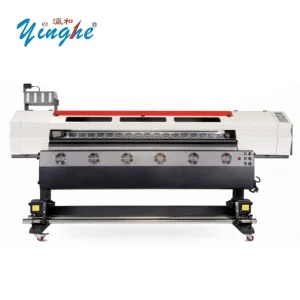
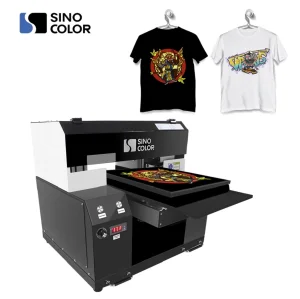
Shenzhen Colvanta Print Co., Ltd. is a professional digital printing machine manufacturer based in Shenzhen, China, specializing in advanced DTF, DTG, and UV DTF printing equipment. With a strong focus on innovation, efficiency, and reliability, the company provides comprehensive printing solutions for global customers in the garment, advertising, and customized product industries.
Colvanta Print integrates cutting-edge technology with practical application needs, offering a wide range of machines designed for high-quality textile printing, heat transfer production, and multi-surface customization. Its product line supports various materials including cotton, polyester, blends, leather, and hard surfaces, enabling businesses to expand their product offerings with flexibility.
Beyond equipment supply, the company delivers end-to-end solutions, covering technical support, workflow optimization, color management, and after-sales service. Whether for startups, print shops, or large-scale manufacturers, Colvanta ensures stable performance, user-friendly operation, and consistent output quality.
Committed to continuous R&D and strict quality control, Shenzhen Colvanta Print Co., Ltd. aims to help clients reduce production costs, improve efficiency, and scale their printing business in a competitive market. With global export experience and customer-oriented service, Colvanta Print is dedicated to becoming a trusted partner in the digital printing industry.
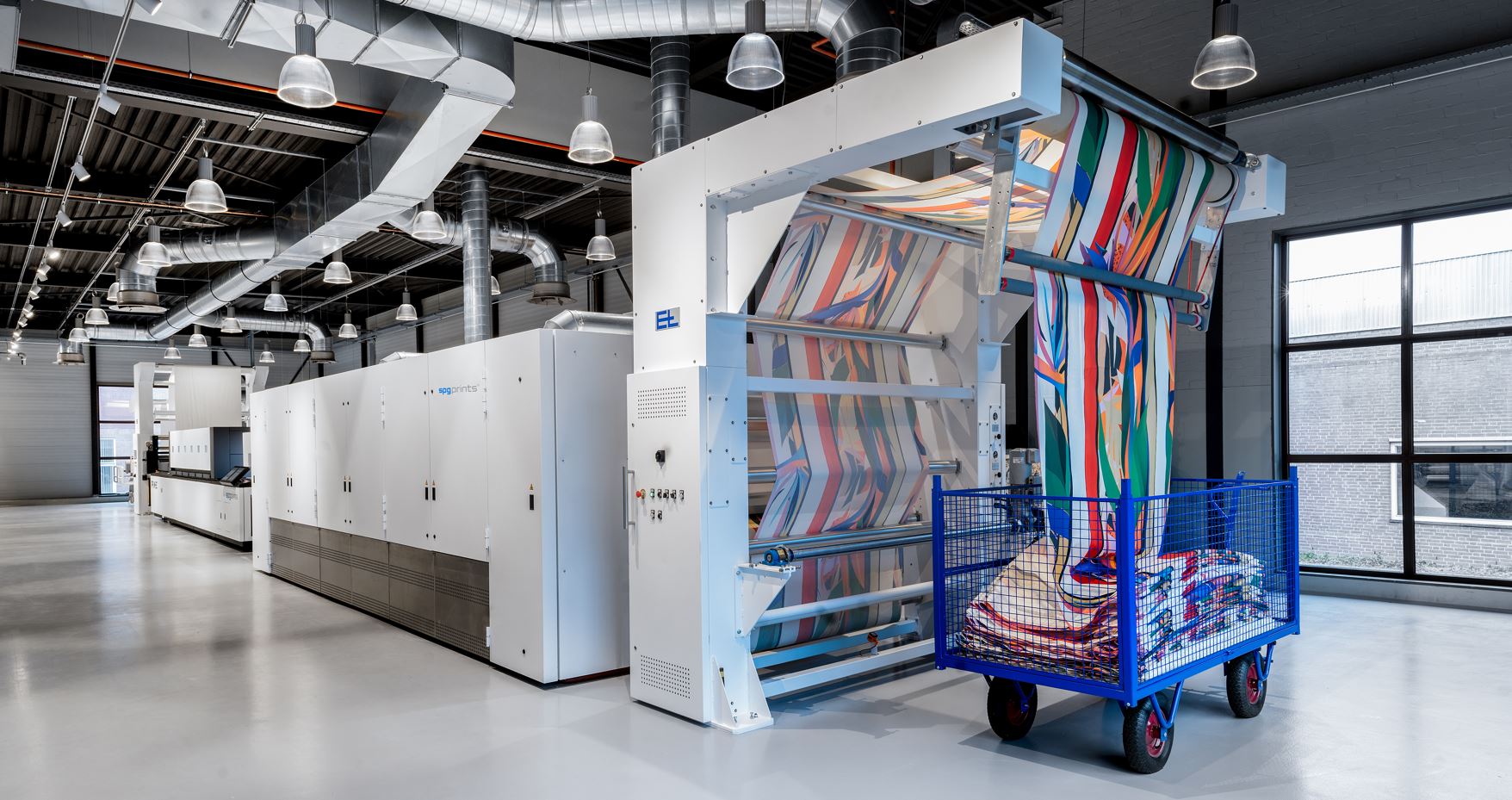
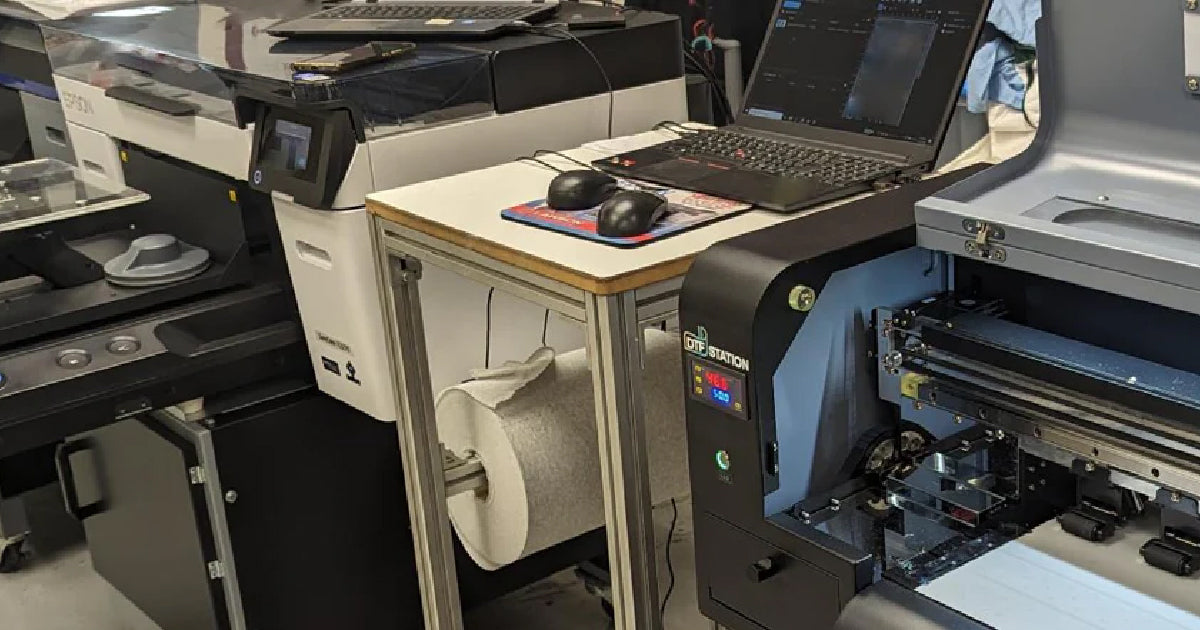
Achieving color uniformity requires tailoring specialized hardware calibrations to distinct substrate physics. Below is how we construct dedicated pipelines for high-precision demands.
Compensating for texture-driven absorption and light diffusion in cotton and synthetic blends. Colvanta's systems implement multi-channel color profiling to maintain saturation under variable lighting standards (D65/TL84/A).
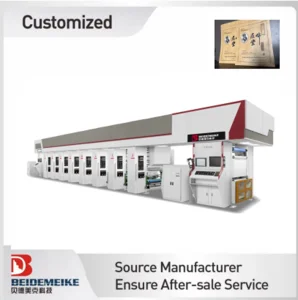
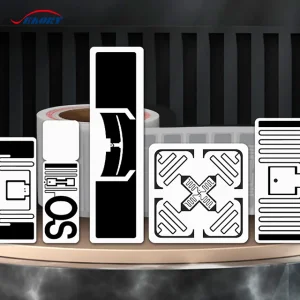
Maintaining ink film thickness and color target alignment on non-porous substrates (PET, BOPP, and foil membranes). We stabilize tension profiles down to ±0.5N to eliminate linear distortions that compromise barcode legibility and branding.
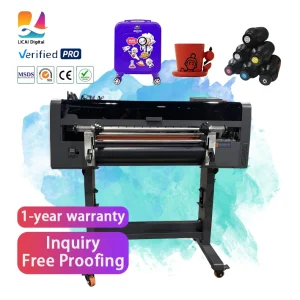
Overcoming substrate reflection and structural surface variations in 3D multi-surface customization. Automated ink circulation systems prevent white ink sedimentation, guaranteeing reliable and vibrant layer structures on acrylic, glass, and metal.
Digital transformation within high-throughput printing facilities demands dynamic, self-correcting mechanisms. Here is how our architecture addresses the future of digital print science.
The incorporation of inline spectrophotometers combined with artificial intelligence is changing how print shops handle run-time adjustments. Instead of manual profiling steps, next-generation engines monitor outputs continuously, executing real-time micro-adjustments directly within the RIP (Raster Image Processor) software. This technology achieves color deviations of ΔE < 0.8 across continuous multi-day runs.
Industrial production is increasingly distributed. Through secure IoT frameworks, factories can synchronize target ICC profiles globally across multiple print facilities. If a printer in North America requires matching the color profile of a unit operating in Shenzhen, cloud-based configurations can update ink-viscosity and droplet firing characteristics to align both outputs within acceptable tolerances.
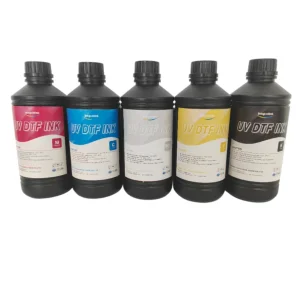
Environmentally friendly chemistry is essential in modern print production. High-viscosity water-based formulations and prepolymer UV-curable inks are engineered to reduce volatile organic compound (VOC) emissions while optimizing absorption characteristics. This formulation strategy maintains vivid color output on uncoated and recycled papers, satisfying modern global eco-certifications.
Understanding why China's vertical integration provides unmatched cost structures and technological reliability for enterprise global procurement.
In Shenzhen, custom controller boards, high-grade stepper motors, optical sensors, and precision printheads are sourced locally from specialized manufacturing clusters. This proximity reduces development cycles and avoids logistics delays.
Before shipment, each unit undergoes a 72-hour continuous test cycle. We verify structural alignment and calibrate printhead firing frequencies across temperature shifts, ensuring the equipment arrives ready for production.
Industrial print operations often require customized features. Our engineering teams can adapt firmware, modify physical structures, and customize ink delivery systems to align with specific customer workflows.
Deploying industrial machinery across global borders requires strict adherence to international electrical, safety, and chemical standards. Colvanta equipment carries certified compliance labels (CE, RoHS, and UL-certified components), guaranteeing low electromagnetic interference and structural safety.
To address international post-installation needs, we establish clear SLAs with global service partners. Our support services include remote diagnostics via secure IoT channels, localized stocking of essential spare parts (such as mainboards and ink dampers), and custom video tutorials to assist in-house operators with routine maintenance.
For corporate purchasing managers and operations directors, acquiring printing systems goes beyond comparing initial machine costs. A complete assessment requires reviewing the lifetime operation expenses.
A thorough TCO analysis evaluates printhead longevity, energy consumption, and ink efficiency. Colvanta equipment features energy-efficient servo drives and customized printhead capping stations that reduce ink consumption during cleaning cycles, offering long-term operational savings.
With proximity to major shipping ports in Shenzhen and Hong Kong, our logistics teams organize secure export packaging (vacuum-sealed barrier bags inside reinforced wooden crates). This protects sensitive electronic parts from moisture and vibration during sea transport.




Technical answers regarding device profiling, calibration standards, and production line optimization.
 Colvanta Print