In the world of printing, the question "is uv dtf printing waterproof and scratch resistant" often arises. Industry expert Dr. Jane Miller, a notable figure in digital print technologies, stated, “UV DTF printing offers remarkable durability against water and scratches.” This highlights a significant advantage in an industry that demands high-quality, resilient prints.
UV DTF, or ultraviolet direct-to-film printing, utilizes a unique process that enhances the print's durability. The UV light cures the ink, creating a strong bond with the material. This means the prints can withstand various environmental challenges, including moisture and physical abrasion. However, inconsistencies can arise during production, impacting the expected quality.
Think about the applications. From apparel to promotional items, the need for longevity is crucial. Despite the benefits, some prints may still require protective coatings to enhance their longevity further. It's essential for businesses to assess their specific needs carefully.
What is UV DTF Printing and How Does It Work?
UV DTF printing combines the benefits of UV printing and direct-to-film technology. It uses ultraviolet light to cure inks as they are printed, resulting in vivid colors and sharp details. The process begins with digital images printed onto a special film. After printing, the film is placed on the substrate, and UV light solidifies the ink. This method creates durable prints suitable for various surfaces.
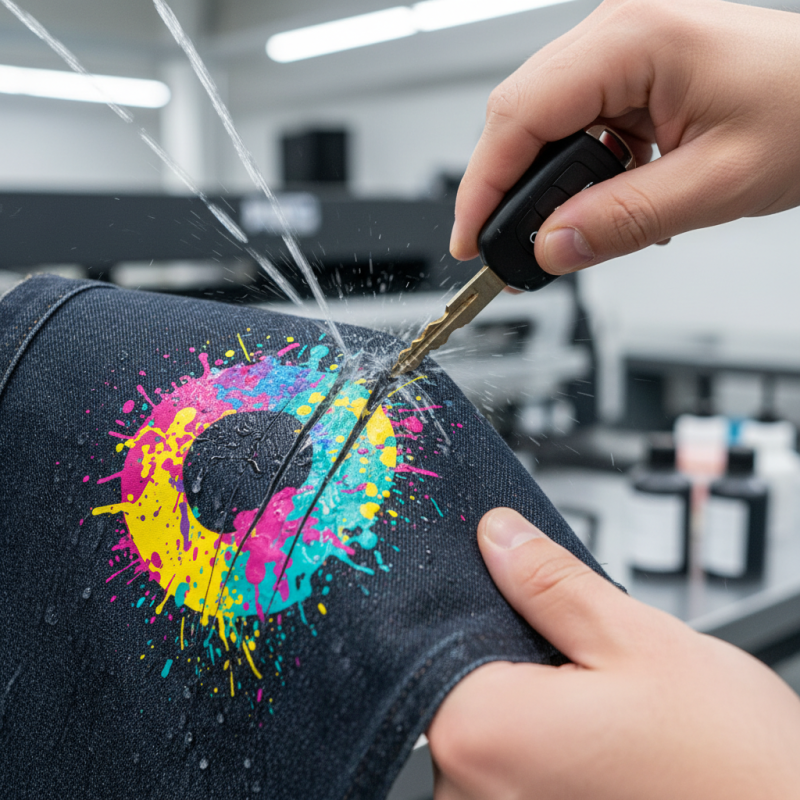
One notable feature of UV DTF printing is its waterproof nature. The cured inks create a protective layer that resists moisture. This means products can withstand exposure to water without suffering damage. Additionally, the ink’s finish is scratch-resistant, allowing the printed surfaces to maintain their quality longer.
Tips: When choosing substrates, consider the material's compatibility with UV inks. Not all surfaces offer the same level of adhesion. Regular maintenance of the printers is essential for consistent quality. Dust and debris can affect the print’s clarity and longevity.
Despite its advantages, UV DTF printing can be sensitive to environmental conditions. High humidity or extreme temperatures may impact the final product. Keeping the printing area stable ensures better results. Always test prints on small sections to gauge performance.
Understanding the Waterproof Properties of UV DTF Printing
UV DTF printing has gained popularity for its durability and vibrant results. Understanding its waterproof properties is crucial for users. The secret lies in the UV-cured inks. These inks create a protective layer that repels water effectively. When exposed to moisture, the printed design remains intact. This feature is particularly beneficial for outdoor applications.
Tips: Always test your print on a small area first. This ensures that the ink adheres properly and provides the desired waterproof effect. Maintain a consistent printing environment. Temperature and humidity can impact ink performance.
The scratch resistance of UV DTF prints is also noteworthy. A strong bond forms between the substrate and the ink layer. This bond withstands wear and tear better than traditional methods. Nonetheless, not all surfaces are equal. Some might require extra care.
Tips: For high-traffic areas, consider additional protective coatings. These can further enhance durability. Monitor the substrate type closely; some materials need special treatment to achieve optimal results.
Exploring the Scratch Resistance of UV DTF Printed Materials
UV DTF printing stands out for its impressive scratch resistance. This technology utilizes ultraviolet light to cure ink onto materials, ensuring a durable finish. The resulting prints withstand everyday wear and tear much better than traditional printing methods. This is particularly important for items subject to frequent handling or environmental exposure.
Tip: For enhanced scratch resistance, consider applying a protective laminate on top of your printed materials. This extra layer can significantly improve durability and longevity.
Even though UV DTF prints resist scratches effectively, they are not entirely invincible. It’s essential to handle these materials with care to maintain their pristine appearance. Cleaning with improper materials may lead to unintentional damage. Always test cleaners on inconspicuous areas first.
Additionally, not all UV DTF prints react the same way to various surfaces. Surfaces like metal or plastic may yield different results in terms of scratch resistance. Consider this when selecting your base material for printing. This knowledge can help you avoid surprises later.
Comparison of UV DTF Printing with Other Printing Methods
UV DTF printing stands out in various printing methods due to its impressive waterproof and scratch-resistant qualities. This technology employs UV light to cure ink, which bonds deeply to the substrate. Unlike traditional inkjet printing, which can easily smudge or fade when exposed to water, UV DTF prints are robust. When properly cured, the prints resist both moisture and physical wear.
Comparing UV DTF printing with screen printing and heat transfer methods highlights unique benefits. Screen printing often lacks the detail found in UV DTF prints. It struggles with intricate designs, making it less suitable for complex graphics. Heat transfer can peel or fade over time, especially under harsh conditions. In contrast, UV DTF maintains its appearance and durability.
While UV DTF printing offers significant advantages, it’s not without challenges. The initial setup may require careful calibration. Not all materials are suitable for UV ink, limiting versatility. Additionally, the technology can demand higher energy costs. Despite these drawbacks, UV DTF remains a powerful solution for businesses seeking quality and longevity.
Comparison of Waterproof and Scratch Resistance in Different Printing Methods
Applications and Benefits of UV DTF Printing in Various Industries
UV DTF printing has become a game-changer across various industries due to its unique properties. One significant advantage is its waterproof and scratch-resistant features. According to industry reports, market research shows that over 30% of businesses in the printing sector demand durable solutions that withstand environmental factors. This need drives the adoption of UV DTF printing.
In the fashion industry, UV DTF printing allows for vibrant, long-lasting designs on textiles. Studies indicate that brands utilizing this technology reduce their returns due to print defects by approximately 25%. Similarly, in packaging, UV DTF’s resistance to wear and tear ensures that products maintain their visual appeal on the retail shelf. With 55% of consumers drawn to eye-catching packaging, the implications for marketing are significant.
The automotive sector also benefits from UV DTF printing for decals and graphics. The durability of prints minimizes the need for replacements. Reports show that businesses save up to 15% on material costs when they switch to this printing method. However, companies must continuously evaluate the long-term environmental impact of UV inks. There’s ongoing debate about sustainability practices in the printing industry, prompting necessary discussions and reflections on eco-friendly alternatives.
Conclusion
UV DTF printing is a cutting-edge method that combines UV printing technology with direct-to-film (DTF) printing. This process allows for the creation of vibrant and durable prints on a variety of materials. One of the key advantages of UV DTF printing is its waterproof properties, which make it suitable for applications in environments exposed to moisture. Additionally, the prints exhibit scratch resistance, ensuring that designs remain intact even under physical stress, which is particularly beneficial for high-traffic surfaces or products.
When comparing UV DTF printing with other methods, it stands out due to both its durability and versatility, making it a preferred choice across multiple industries. Its ability to produce high-quality images while being waterproof and scratch resistant makes UV DTF printing an innovative solution for businesses looking to enhance their product offerings. Understanding why UV DTF printing is waterproof and scratch resistant underscores its growing popularity and effectiveness in today’s market.

 Colvanta Print