UV DTF (Direct to Film) printing is revolutionizing various global markets. It combines UV printing technology with DTF processes, allowing for high-quality, vibrant prints on diverse surfaces. According to a report by Smithers Pira, the UV printing market is projected to reach $27.5 billion by 2025. This growth reflects the increasing demand for durable and environmentally friendly printing solutions.
Industry expert Dr. Emily Chen states, "What is UV DTF printing used for? It provides unique opportunities for customization across industries." This technology is widely utilized in sectors like fashion, signage, and interior decor. For example, brands are now personalizing apparel with vibrant colors and intricate designs that withstand wear. However, some companies still struggle with understanding the full potential of this technique.
While UV DTF printing shows significant promise, challenges remain. Not all printers are compatible, and mastering the technique requires time and training. Adapting to this technology demands both investment and flexibility. As businesses explore "what is UV DTF printing used for," the need for expert guidance and ongoing education becomes increasingly apparent.
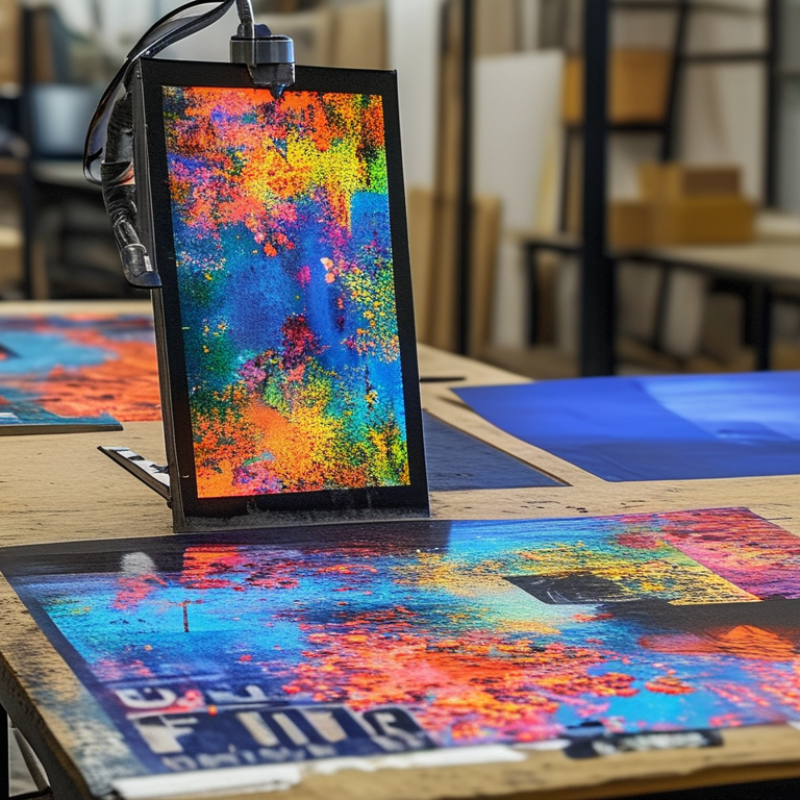
What is UV DTF Printing?
UV DTF printing is a revolutionary technology in the printing industry. It stands for Ultraviolet Direct to Film printing. This process allows prints to adhere to various surfaces using UV light. The inks become solid when exposed to UV light, making the prints durable and vibrant. This method is gaining attention for its versatility and efficiency.
One key advantage of UV DTF printing is its capability to print on irregular shapes. It can create stunning designs on materials like wood, metal, and plastic. The colors remain vivid over time, even when exposed to sunlight. However, not all printers can produce the same quality. It requires careful calibration and maintenance. Inconsistent results can happen if proper practices are not followed.
Despite its benefits, challenges remain in the UV DTF printing landscape. Not all surfaces provide a strong bond for the ink. Sometimes, experimentation is necessary to find the best combination of materials. This can lead to waste and frustration. Learning through trial and error is part of the process for users. It's crucial to balance innovation with practicality in this evolving field.
Key Advantages of UV DTF Printing in Industry
UV DTF printing has gained traction in various global markets due to its effective applications in different industries. One of the major advantages is its ability to produce high-quality prints on diverse materials. This technology excels in creating vibrant colors and intricate details. As a result, it is popular in signage, textiles, and promotional items. These sectors benefit greatly from UV DTF’s versatility.
Another key advantage is the fast production speed. This process allows businesses to meet tight deadlines without compromising quality. It can significantly reduce waiting times, which is crucial for companies needing quick turnarounds. However, it's also essential to manage expectations. Production speeds can vary based on material types and print complexity.
Tips: To maximize UV DTF's potential, regularly calibrate your equipment for optimal performance. Experiment with different substrates to find which work best for your needs. It’s vital to stay updated on industry advancements, as this field evolves rapidly. Always remember to review your production results. Continuous improvement can lead to even better outcomes.
Applications of UV DTF Printing Across Global Markets
UV DTF printing, or Direct to Film printing, is gaining traction across various global markets. This technology allows vibrant and durable prints on a wide range of surfaces, making it popular for industries such as apparel, signage, and promotional items. Recent industry reports indicate that the UV printing market is projected to reach $12 billion by 2026, driven by increased demand for fast drying and high-resolution graphics.
Applications span from custom textiles to intricate packaging solutions. In the fashion sector, UV DTF printing enables designers to create detailed and colorful patterns. In signage, businesses benefit from UV-resistant prints that withstand outdoor conditions. Data suggests that the demand for customizable promotional products has surged by 20% annually, highlighting the need for efficient printing technologies.
Tip: Always test your printing substrates to ensure compatibility. This helps avoid costly mistakes and enhances print quality.
Despite its advantages, challenges persist. The initial setup cost can be high, potentially deterring small businesses. Moreover, environmental concerns regarding UV inks require careful consideration. Companies are urged to seek sustainable practices without compromising print quality. Emphasizing
research and development can also lead to better formulations, driving the industry forward.
Comparative Analysis with Other Printing Technologies
UV DTF printing has emerged as a preferred choice in various global markets. Its unique ability to produce vibrant prints on diverse surfaces sets it apart. Compared to traditional printing methods like screen printing, UV DTF offers superior adhesion and durability. Reports indicate that UV printing technology is expected to grow at a compound annual growth rate (CAGR) of around 7% from 2023 to 2028. This growth reflects its rising demand in the promotional and packaging sectors.
In contrast, traditional printing techniques often face limitations, such as color fading and less versatility in media. Digital print technologies, while innovative, may struggle with high-volume tasks due to slower speeds. UV DTF bridges this gap by providing fast output without sacrificing quality.
However, some professionals note the need for ongoing calibration to maintain print consistency. This highlights the importance of expertise in operating UV DTF printers effectively. The potential advantages must be balanced with the knowledge required for optimal usage. Hence, while UV DTF printing offers exciting opportunities, users must remain vigilant about maintaining print standards and equipment.
Future Trends and Innovations in UV DTF Printing
UV DTF printing is revolutionizing various global markets. It enables vibrant, high-quality prints on diverse surfaces. This technology is gaining traction, particularly in textiles and custom merchandise. According to a recent market report, the UV DTF printing market is projected to grow at a CAGR of 12% over the next five years, reflecting increasing demand.
Future trends indicate a shift toward eco-friendly practices. Manufacturers are exploring water-based inks and energy-efficient printers. This aligns with sustainability goals that consumers increasingly prioritize. Furthermore, innovations in curing methods are enhancing speed and efficiency. Companies face challenges in balancing quality with production costs. Continuous improvement is essential.
Emerging innovations are fostering creativity and customization. More businesses are delving into personalized products that cater to individual tastes. This trend is supported by increased consumer spending on custom goods, estimated to exceed $20 billion by 2025. As UV DTF technology evolves, companies must adapt to shifting market dynamics. The focus will be on improving reliability and reducing waste throughout the printing process.
FAQS
: UV DTF printing stands for Ultraviolet Direct to Film printing. It uses UV light to solidify inks on various surfaces.
This printing method can adhere to irregular shapes and diverse materials like wood, metal, and plastic.
Benefits include vibrant colors, durability, and fast production speeds. It suits industries needing complex designs quickly.
Yes, not all surfaces bond well with the ink. Users might face waste due to trial and error in material selection.
Regular calibration of equipment is crucial. Testing different substrates helps find the best compatibility for better results.
It can be challenging due to high initial setup costs. Small businesses need to weigh these against potential benefits.
It reduces waiting times significantly, but production speeds vary by material type and design complexity.
There are environmental concerns with UV inks. Companies should explore sustainable practices while maintaining print quality.
Reviewing production results can lead to better outcomes. This industry is rapidly evolving, making constant learning essential.
Key industries include apparel, signage, and promotional products. They leverage this technology for custom, vibrant print solutions.
Conclusion
UV DTF printing, or Direct to Film printing using UV technology, has emerged as a versatile solution in various global markets. This method leverages UV inks that cure instantly upon exposure to UV light, allowing for vibrant colors and detailed designs on a plethora of substrates. One primary question that arises is "what is UV DTF printing used for?" The applications span diverse industries including fashion, signage, and home décor, where durability and quality are paramount.
The key advantages of UV DTF printing include its ability to print on a wide range of materials, reduced ink consumption due to efficient curing, and the potential for eco-friendly production practices. Compared to traditional printing technologies, UV DTF offers superior adhesion and scratch resistance, making it a preferred choice for many manufacturers. As the industry continues to evolve, future trends may focus on innovations in ink formulations and printer efficiency, ensuring that UV DTF printing remains at the forefront of printing technologies globally.

 Colvanta Print