2026 Top Tips for Improving Print Quality in Digital Printing?

Time:2026-05-31 Author:Sophia
0%

In the realm of digital printing, achieving exceptional print quality is a pressing challenge. According to the Research and Markets report, the digital printing market is expected to reach $187 billion by 2027, indicating significant growth and competition. As businesses strive to stand out, understanding how to improve print quality in digital printing becomes crucial. Industry expert Dr. Emily Tran, a print technology specialist, emphasizes, "Small adjustments can lead to remarkable changes in print output."

The nuances of color accuracy, resolution, and material type profoundly influence the final product. Investing in high-quality inks and regularly maintaining printing equipment can yield significant improvements. However, frequent revisions and learning from mistakes are integral to the process. Many companies overlook the importance of calibrating printers regularly, which can lead to inconsistent results.

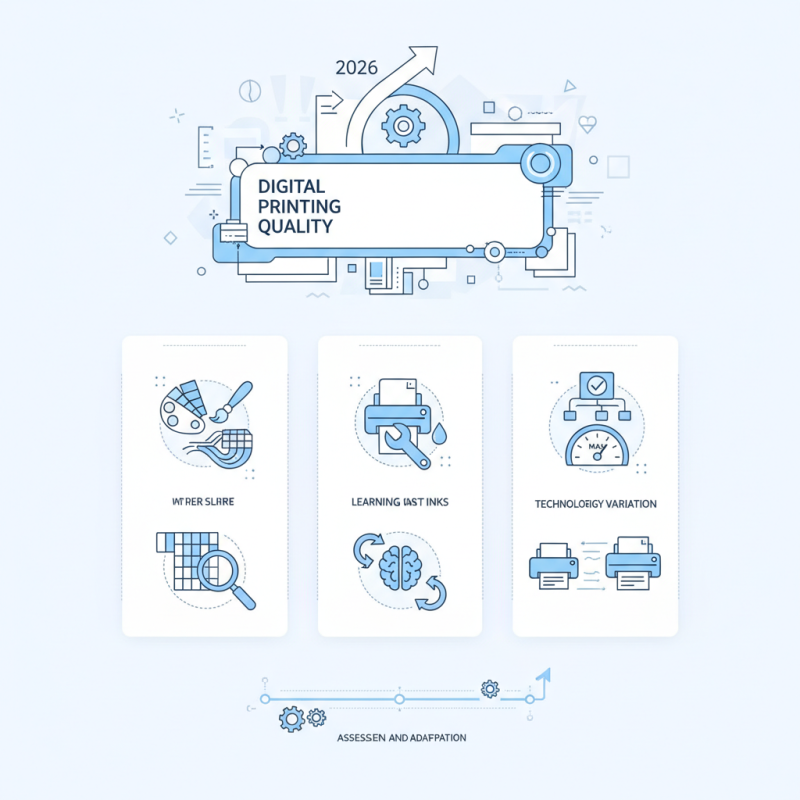
Creating a consistent workflow and utilizing color management tools can further enhance quality. Yet, the task is not without its challenges. Different printer technologies can produce varying results even with the same settings. The journey toward optimal print quality is ongoing and requires constant assessment and adaptation.
2026 Top Tips for Improving Print Quality in Digital Printing?

Understanding the Basics of Digital Printing Technology

Understanding digital printing technology is essential for achieving exceptional print quality. Digital printing relies on a variety of processes that convert digital images into physical prints. Despite its advantages, inconsistencies can occur. According to the Printing Industries of America, around 30% of print production issues arise from inadequate understanding of the technology used.

The core of digital printing lies in three primary technologies: inkjet, electrophotography, and toner-based printing. Each method has unique specifications and limitations. For instance, inkjet printers are often praised for their vibrant color reproduction but may struggle with water resistance. A study by Smithers Pira notes that 46% of print operations reported challenges with ink adhesion and drying times.

Maintaining optimal print quality requires continuous evaluation and adjustment. Poor calibration and inadequate maintenance can lead to color mismatches and image distortion. Industry reports reveal that up to 25% of print jobs face rework due to these factors. Therefore, understanding the fundamentals of digital printing is crucial for producing high-quality outputs consistently.

Key Factors Affecting Print Quality in Digital Printing

In digital printing, several key factors affect print quality. Resolution plays a central role, with higher DPI (dots per inch) producing sharper images. Reports indicate that resolutions above 1200 DPI can significantly enhance clarity. However, many users may not fully utilize their printer's capabilities. Consistent calibration is often overlooked, leading to varied print results.

Another critical factor is the choice of paper. Different substrates absorb ink differently. According to industry data, using coated paper can increase color vibrancy by up to 30%. Many practitioners underestimate the impact of paper selection. Additionally, the quality of ink affects color accuracy and longevity. It’s essential to match ink types with the intended media for optimal results.

Environmental conditions also come into play. Humidity and temperature can influence ink drying times and adhesion. Studies show that maintaining a controlled environment can improve print consistency. Yet, many print shops fail to monitor these conditions regularly. Attention to these details can lead to significant improvements in print quality.

Essential Design Principles for Optimizing Print Output

In digital printing, the design is crucial for achieving optimal print quality. According to the Printing Industries of America, 73% of print failures stem from poor design choices. This highlights the importance of understanding design principles. Proper color calibration can prevent print discrepancies. Failing to align colors results in dull outputs and wasted resources.

Resolution plays a vital role, too. A minimum of 300 DPI is recommended for high-quality prints. Many designers overlook this detail, leading to pixelation in final outputs. Using vector graphics can mitigate this issue, ensuring sharp lines and clarity. Choosing the right paper also impacts print outcomes. Textured or glossy papers can enhance color vibrancy, but they may not be suitable for all designs.

Moreover, effective use of whitespace can improve readability and visual appeal. Often, designers cram too much content into limited space. This can overwhelm the viewer and detract from the message. Regularly revisiting design layouts can lead to significant improvements. Emphasizing simplicity in design can make a substantial difference in print quality. Experimenting with these principles can enhance the overall output and elevate brand presentation in the competitive market.

2026 Top Tips for Improving Print Quality in Digital Printing

Tip Number Tip Description Importance Level Implementation Ease
1 Use high-resolution images High Easy
2 Calibrate printing equipment regularly Medium Moderate
3 Choose appropriate paper type High Easy
4 Optimize color settings High Moderate
5 Regularly clean print heads Medium Moderate
6 Perform test prints Medium Easy
7 Use ICC profiles High Difficult
8 Monitor environmental conditions Medium Moderate

Common Troubleshooting Tips for Digital Print Quality Issues

Digital printing offers high-quality results, but issues can arise that affect print output. Common problems include color inconsistency, banding, and poor resolution. Each problem requires specific attention. Checking the printer settings is crucial. Ensure that the media type matches the print job. This simple step can prevent mismatched results.

Another common issue is ink saturation. Too much ink may cause smudging or bleeding. Regularly calibrating your printer can help maintain color fidelity. Cleaning printheads can also alleviate many problems. It’s essential to remember that not all prints will come out perfectly. Sometimes, test prints can reveal flaws not visible in digital files.

User experience plays a huge role in troubleshooting. Engaging with your printer’s support community can yield valuable insights. Share your challenges and solutions with peers. This allows for a better understanding of the common pitfalls in digital printing. Mistakes are part of the process. Reflection is key to improving overall quality. Each misstep presents an opportunity for growth.

Maintenance Strategies to Enhance Longevity of Digital Printers

Maintaining digital printers is crucial for achieving the best print quality. Regular cleaning of printer components can prevent ink buildup. Dust and debris can lead to streaks in your prints. Ensure that the print heads are cleaned at least once a month. Frequent use of quality ink can also enhance print outcomes. Opt for inks that flow well through nozzles.

Another important strategy involves monitoring the printer's environment. Humidity levels should be optimal to avoid paper jams. Excessive moisture can warp paper, leading to poor print quality. Adequate ventilation around the printer helps reduce overheating risks. Also, calibrate your printer regularly. Misalignment can result in blurry images or text.

Regularly updating printer drivers is often overlooked. This simple step can significantly improve performance. Keeping software current helps enhance compatibility with various file formats. Don't ignore minor issues, as they can escalate. Addressing small glitches promptly ensures your printer remains reliable and effective.

FAQS

: What factors influence print quality in digital printing?

: Key factors include resolution, paper choice, ink quality, and environmental conditions.

How does resolution affect print quality?

Higher DPI produces sharper images. A resolution above 1200 DPI enhances clarity, but many users underutilize this.

Why is paper choice important?

Different papers absorb ink differently. Coated paper can increase color vibrancy by up to 30%, a fact often underestimated.

How do environmental conditions impact printing?

Humidity and temperature affect ink drying and adhesion. Many print shops neglect these factors, leading to inconsistent results.

What are common design mistakes in print production?

Poor design decisions cause 73% of print failures. Misalignment of colors and insufficient resolution are common issues.

How can whitespace improve print design?

Effective use of whitespace enhances readability. Overcrowding can overwhelm viewers, detracting from the central message.

What maintenance is needed for digital printers?

Regular cleaning prevents ink buildup. Dust can cause streaks, so clean print heads monthly and use quality ink.

Why is printer calibration important?

Misalignment leads to blurry images. Regular calibrations ensure accuracy and improve overall print quality.

Should software updates be a priority?

Yes, updating printer drivers enhances performance and compatibility. Ignoring minor issues can lead to bigger problems.

How can design principles affect print outcomes?

Emphasizing simplicity and using vector graphics can significantly enhance clarity and visual appeal in printed materials.

Conclusion

Improving print quality in digital printing is essential for achieving vibrant, professional results. To begin with, understanding the fundamentals of digital printing technology is crucial, as it lays the groundwork for identifying key factors that influence print quality, such as resolution, color accuracy, and substrate compatibility. Additionally, adhering to essential design principles can optimize print output; this includes using appropriate file formats, resolution settings, and color management techniques.

Moreover, being prepared to troubleshoot common issues can significantly enhance the printing process. Familiarizing oneself with typical problems, such as ink smudging or color mismatches, allows for quicker resolutions. Lastly, implementing effective maintenance strategies can ensure the longevity of digital printers, leading to consistent print quality over time. By combining these strategies, one can effectively learn how to improve print quality in digital printing, yielding superior results for any printing project.

Sophia

Sophia

Sophia is a dedicated marketing professional with an exceptional depth of knowledge about her company's products and services. With a keen understanding of market trends and customer needs, she crafts insightful blog posts that not only inform but also engage readers, enriching the company’s online......