In the world of textile printing, understanding what affects printing quality in DTF and DTG is crucial. Renowned printing expert Dr. Emily Chen states, "The integrity of the print largely depends on material selection and machine calibration." These elements shape the final product's vibrancy and durability.
Focusing on print head maintenance, ink viscosity, and substrate preparation can notably enhance the outcome. Yet, many overlook these aspects, leading to inconsistent results. Even seasoned professionals can find themselves grappling with unexpected issues, such as color fading or misalignment.
Moreover, environmental factors, such as temperature and humidity, add another layer of complexity. Carefully monitoring these conditions can make a significant difference. As the industry evolves, it remains essential to stay informed about best practices and common pitfalls. Addressing these elements might reveal areas for improvement and opportunities for growth.
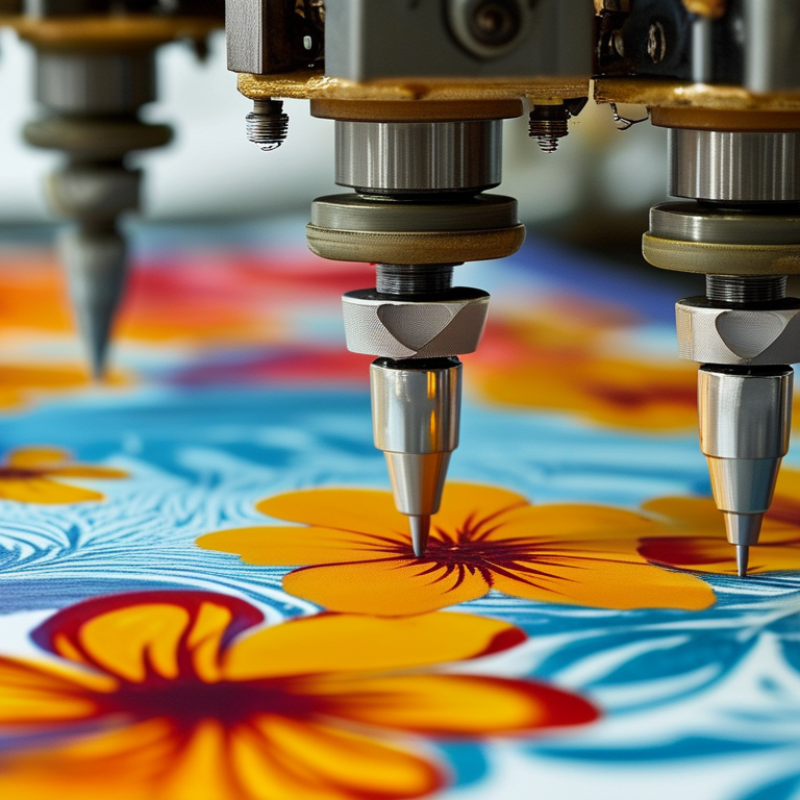
DTF (Direct to Film) and DTG (Direct to Garment) printing technologies have transformed the textile printing industry. Both methods offer unique advantages and challenges that affect the quality of the final product. Understanding their basics is essential for achieving optimal results. DTF utilizes a special film that transfers designs onto fabrics, while DTG prints directly onto garments using specialized inkjet printers. Each method requires different preparation and settings for the best outcome.
Quality factors in DTF and DTG include ink quality, fabric type, and printer settings. Using high-quality inks is crucial for vibrant prints. Fabric choice also plays a significant role; natural fibers typically yield better results than synthetic ones. Printer calibration is another area that often requires attention. Regular maintenance and testing can help avoid uneven prints. It's essential to experiment with various settings to find the best combination for your materials.
Many common issues can impact printing quality. Misalignment of the film or garment can lead to blurry designs. Inconsistent ink distribution can cause streaks or patches. It's important to learn from these mistakes to improve future outcomes. Each project presents an opportunity for adjustment and refinement. Staying informed about advancements in printing technology can also enhance overall quality.
Ink adhesion is crucial in DTF and DTG printing. Factors like surface preparation and ink formulation play significant roles. Properly treated fabrics ensure better adhesion, leading to vibrant prints that last longer. The choice of pretreatment solutions can vary for different fabrics, impacting the final product's quality.
One important consideration is the nozzle performance. If nozzles clog or underperform, it can lead to inconsistencies in prints. Regular maintenance is essential to avoid such issues. Additionally, screen tension and printer calibration are often overlooked. Both directly influence ink transfer and adhesion.
To enhance adhesion, using the right temperature during the curing process is vital. If the heat is uneven, it affects the adhesion properties of the ink. Factors like humidity and environmental conditions also matter. High humidity can hinder ink adhesion, whereas dry air may lead to ink brittleness. Finding the right balance is key. Engaging in continuous experimentation and assessing results is beneficial for achieving optimal adhesion in your printing tasks.
Material selection plays a critical role in the quality of DTF and DTG printing. The type of fabric can significantly influence color vibrancy and print durability. Studies show that cotton blends exhibit better ink adhesion compared to synthetic fibers. A report by the Textile Institute highlights that 75% of high-quality prints result from optimal material choices.
When considering fabrics, prioritize the weave structure. A tighter weave often yields sharper images. Additionally, pre-treatment can enhance ink absorption on fabrics. It's noted that garments treated properly can increase print longevity by up to 30%. Be mindful that inadequate preparation might lead to ink bleeding or fading.
Selecting the appropriate inks also contributes substantially to print quality. Eco-solvent inks can provide vivid colors and better flexibility. A survey by Printwear indicated that nearly 40% of print issues stem from ink incompatibility with chosen materials. Regular assessments of ink performance on different substrates can mitigate unexpected outcomes. Understanding these nuances can lead to more successful and reliable printing results.
Proper printer calibration is essential for achieving high-quality results in DTF and DTG printing. Calibration determines how accurately a printer reproduces colors and maintains consistent quality throughout a production run. Regular calibration ensures that your prints meet customer expectations, reducing waste and saving resources. According to a recent industry report, improper calibration can lead to color discrepancies in up to 30% of printed products.
One key factor in calibration is ink density. Monitoring ink levels and making adjustments can significantly enhance print quality. Printer operators should regularly check the density settings, as incorrect values can lead to dull colors or excessive ink bleeding. Understanding the machine's capabilities while using appropriate calibration techniques will minimize common quality issues.
Another vital aspect is maintaining a clean printing environment. Dust and debris can affect printer performance and final output quality. Ensuring that print heads and surfaces are clean can greatly reduce the chances of defects. Additionally, the choice of printing substrate plays a crucial role. The material's ability to absorb ink influences color sharpness and durability. By considering these details, you can enhance the overall quality and reliability of your prints, laying the foundation for successful projects.
Maintaining a consistent print environment is crucial for achieving high-quality DTF and DTG printing results. Temperature and humidity play a significant role in print quality. Ideally, keep the workspace at a stable temperature between 20°C to 24°C (68°F to 75°F). This range helps inks cure correctly and prevents inconsistencies. Monitoring humidity is equally important; it should stay between 40% to 60%. Low humidity can cause static electricity, affecting ink adhesion and print clarity.
Consider the impact of dust and airflow on your printing environment. Even minor particles can lead to imperfections in the final product. Regular cleaning of the workspace can mitigate this issue. A well-organized area is not just about aesthetics; it enhances workflow efficiency. Inspect the equipment daily for any signs of wear or malfunction to ensure that print heads, for example, are functioning properly. This level of attention to the details can help avoid larger issues down the road, where the cost of reprints becomes a burden.
Another often-overlooked aspect is the importance of calibration. Regularly calibrating your printer can significantly impact color accuracy and detail. If colors are off, adjustments must be made. Emphasizing this can save time and resources. Challenges may arise, but learning from them will ultimately strengthen your print quality management processes.
: DTF transfers designs onto fabrics using a special film. DTG prints designs directly onto garments.
High-quality inks create vibrant prints. They also ensure durability and longevity of the designs.
Natural fibers usually yield better results than synthetic ones. They absorb ink better and enhance design clarity.
Misalignment, inconsistent ink distribution, and static electricity can lead to blurry designs or streaks.
Temperature and humidity levels are crucial. Ideal temperature ranges from 20°C to 24°C, while humidity should be 40% to 60%.
Regular calibration improves color accuracy and detail. It helps avoid the frustration of incorrect prints.
Dust and minor particles can create imperfections. Regular cleaning improves overall print quality and workflow efficiency.
Inspect equipment for wear or malfunction. Daily checks can prevent larger issues that lead to costly reprints.
Analyze issues and adjust your process. Each project helps you refine techniques for future print success.
Yes, advancements can enhance quality. Staying informed can lead to better printing outcomes and efficiency.
In the realm of textile printing, understanding what affects printing quality in DTF (Direct to Film) and DTG (Direct to Garment) technologies is essential for achieving optimal results. Key factors include the adhesion of ink to the substrate, which can be influenced by material selection and preparation. Selecting the appropriate fabric and ensuring it is clean and ready for printing play crucial roles in enhancing print durability and vibrancy.
Additionally, proper printer calibration is vital for consistency and accuracy, ensuring that color outputs meet expectations. Maintaining a stable print environment, including factors such as humidity and temperature, further contributes to consistent quality. By focusing on these elements, printers can effectively improve their output and deliver high-quality designs that meet the demands of the market.

Colvanta Print