In the garment printing industry, controlling expenses is vital for sustaining profitability. Many businesses grapple with high printing costs. Thus, knowing how to reduce printing costs in garment printing can greatly enhance financial health.
Effective strategies combine technology, efficient workflows, and material management. Investing in advanced printing machinery can seem daunting. Yet, it ultimately leads to significant savings over time. Companies often overlook the importance of ink and fabric choices. Selecting the right materials is crucial. This choice directly impacts both quality and cost.
It's important to evaluate your current processes. Are there inefficiencies that lead to waste? By analyzing workflows, companies can discover hidden costs. The journey to reducing expenses isn't always straightforward. Mistakes will be made and learning opportunities will arise. Nevertheless, the effort to refine printing practices can lead to substantial benefits in the long run.
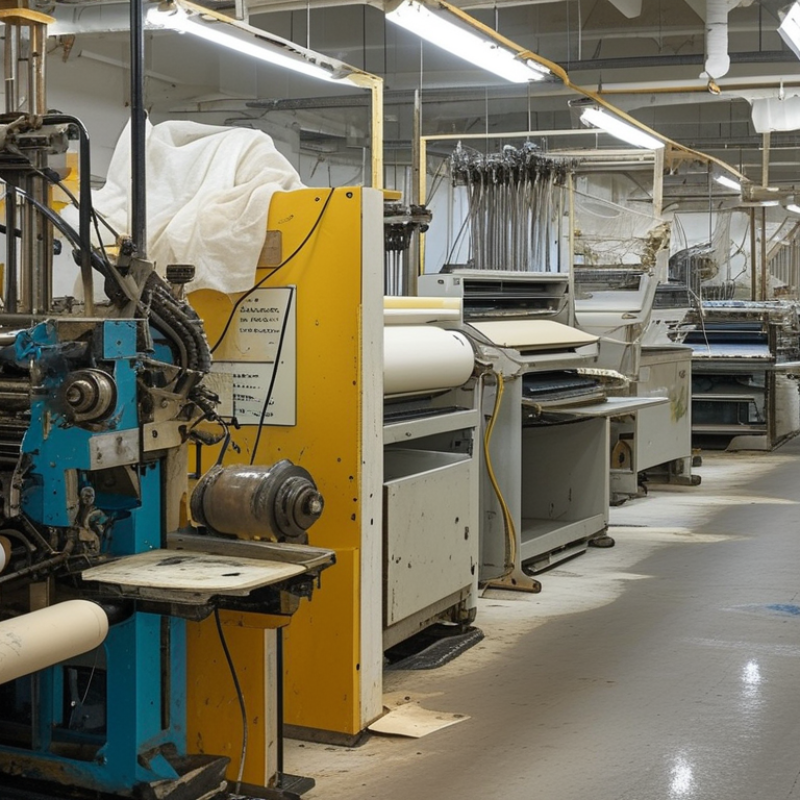
Understanding the costs involved in garment printing is essential for any business looking to maintain profitability. Several factors can significantly influence these costs, ranging from the type of printing technology used to the materials selected for production. According to a report by the Textile World, digital printing can save up to 30% on ink costs compared to traditional methods. This can have a major impact on overall expenses.
Material choice is equally crucial. The quality of fabric affects printing costs directly. For example, cotton tends to absorb ink better than synthetic fibers, which can lead to lower ink usage. A study from the Fashion Institute of Technology indicated that pre-treated fabrics may also reduce waste, cutting costs by about 20%. This emphasizes the need for careful selection of materials in garment printing processes.
Labor costs can’t be ignored either. The printing method you choose plays a role in determining the time workers spend on setup and execution. Automated processes generally require less labor input. However, achieving the right balance between automation and manual labor is not straightforward. Each business must evaluate their specific operations to identify potential inefficiencies. Addressing these areas can lead to improved cost-effectiveness.
Choosing the right printing technique is crucial for reducing costs in garment printing. Different methods have unique implications for budget management. For instance, screen printing remains popular due to its cost-effectiveness for large orders. Reports indicate that screen printing can cost as little as $2 per shirt for bulk orders. However, the initial setup costs can be high, making it less viable for small runs.
Digital printing offers flexibility and convenience. It allows for on-demand printing without the heavy initial investment associated with screen printing. A study from the Digital Textile Printing Association points out that digital printing can cost around $10 per shirt. While higher than screen printing, it reduces waste and allows for vibrant designs. Yet, this technique may struggle with bulk production, affecting overall efficiency.
Heat transfer printing is another option. This method can complement screen printing, particularly for smaller designs. Although cheaper upfront, heat transfer printing may wear out faster, leading to long-term costs. In fact, research suggests that durability issues can arise after just a few washes. As the industry evolves, evaluating these methods and their implications is vital for financial sustainability in garment printing.
This chart illustrates the cost per print for various garment printing techniques. Understanding these costs can help businesses make informed decisions about which printing method to adopt for cost efficiency.
Efficient design and production processes are crucial in reducing printing costs in garment printing. Start by evaluating your design workflow. Streamlining this phase can save time and materials. Utilize software that can optimize designs for printing. This can reduce wasted fabric and ink. Choosing the right file formats also minimizes issues during production.
Consider adopting a print-on-demand model. This method decreases initial investment costs and storage expenses. You only produce what is needed. This reduces excess inventory and the associated costs. It's important to focus on small production runs to test designs. You may find some popular patterns that lead to higher demand.
Reviewing your production techniques is vital. Automating some aspects can boost efficiency. However, be wary of over-dependence on machines. Sometimes, manual intervention can help catch errors early. Regular training for staff can improve their expertise. Empowering designers and operators to communicate effectively can also enhance the final product quality.
| Process Step | Cost Factor | Current Cost ($) | Proposed Improvement | Projected Savings ($) |
|---|---|---|---|---|
| Material Sourcing | Fabric Costs | 5000 | Negotiate Bulk Pricing | 800 |
| Design Efficiency | Design Software | 2000 | Switch to Open Source | 1000 |
| Printing Technique | Ink Costs | 3000 | Use High-Efficiency Inks | 600 |
| Waste Management | Fabric Waste | 1500 | Implement Predictive Cutting | 700 |
| Production Scheduling | Overtime Costs | 4000 | Streamline Workflow | 1200 |
In the realm of garment printing, technology plays a pivotal role. The right printing software can optimize workflows, reducing waste and enhancing productivity. Digital printing technology has advanced significantly. Modern printers reduce ink usage and offer precise color management. These innovations help businesses save considerably on material costs.
Automation is another powerful tool. Automating routine tasks lowers labor expenses. It allows workers to focus on quality control rather than manual assembly. Many shops now use software that integrates inventory management with printing schedules. This integration helps prevent overproduction, minimizing excess stock and associated costs.
Despite these advancements, challenges remain. Not all technology solutions fit every business model. Some companies may struggle with the initial investment in new systems. Others might find staff training daunting. Reflecting on these issues is essential for achieving long-term savings. Embracing technology requires not just a financial commitment but also a cultural shift within the organization. Businesses must continuously evaluate their technology use to ensure it aligns with their goals.
Building strong supplier relationships is key to reducing printing costs. Establishing a dialogue with suppliers creates trust and encourages better pricing. When you order in bulk, you often receive significant discounts. This also applies to inks and printing substrates, which can be cost-intensive. Effective communication about your needs can lead to tailored pricing that meets your budget.
Bulk purchasing has its challenges. Not all businesses have the capacity to store large quantities of materials. Planning is essential. It’s important to assess demand accurately to avoid excess inventory. Overestimating needs can lead to waste and unnecessary expenses. Regularly reviewing your projections helps maintain balance.
Lastly, continuously evaluate your supplier contracts. Not all agreements are favorable or up to date. Frequent market checks can reveal better options or cost-saving opportunities. This proactive approach ensures your business remains competitive while managing costs effectively. Engaging with suppliers helps create a win-win situation for both parties.
: Streamlining your design workflow can save time and materials. Use optimized software for designs.
It lowers initial investment costs. You produce only what is needed, reducing excess inventory.
Automation boosts efficiency and lowers labor expenses. But don't completely rely on machines.
The right software optimizes workflows and reduces waste. Modern printers save ink and enhance color management.
Initial investment can be high. Staff training may also pose difficulties and require time.
Ordering in bulk often provides discounts. This applies to inks and printing substrates as well.
Assess your storage capacity and demand accurately. Overestimating can lead to unnecessary expenses.
Establish a dialogue with suppliers to build trust. Good communication can lead to better pricing.
Regularly evaluate your contracts and market options. This helps find better deals and cost-saving opportunities.
In the pursuit of how to reduce printing costs in garment printing, it is essential to understand the various factors that influence these expenses. Printing techniques play a significant role, as each method has distinct cost implications that can impact the overall budget. Evaluating and selecting the right process can lead to substantial savings.
Moreover, implementing efficient design and production processes can streamline operations, further lowering costs. Leveraging technology and software solutions also offers cost-effective printing methods that enhance productivity. Additionally, utilizing bulk purchasing and fostering strong relationships with suppliers can significantly reduce material costs, contributing to a more sustainable financial strategy in the garment printing industry. By combining these approaches, businesses can optimize their operations and effectively manage expenses.

Colvanta Print