Why Do Prints Crack or Fade Over Time?

Time:2026-05-28 Author:Oliver
0%

Understanding why do prints crack or fade over time is essential for artists and collectors alike. A comprehensive study by the Image Permanence Institute reveals that nearly 40% of printed materials exhibit signs of deterioration within the first five years. This deterioration can result from various factors, including light exposure, humidity, and poor-quality inks.

For instance, UV light is a significant contributor to fading. Reports show that pigments can lose up to 80% of their intensity when exposed to sunlight without adequate protection. Additionally, the interaction between paper and inks can lead to cracks. Various inks react differently to environmental factors, and some may dry out faster, causing fractures in the print surface.

Reflecting on these issues highlights the importance of using archival-quality materials. Artists must be aware that not all printing techniques are created equal. The choices made today can drastically affect the longevity of their work. The reality is, many prints do not last as long as we hope. This realization prompts a thoughtful approach to preservation and an appreciation for the fragility of printed art.
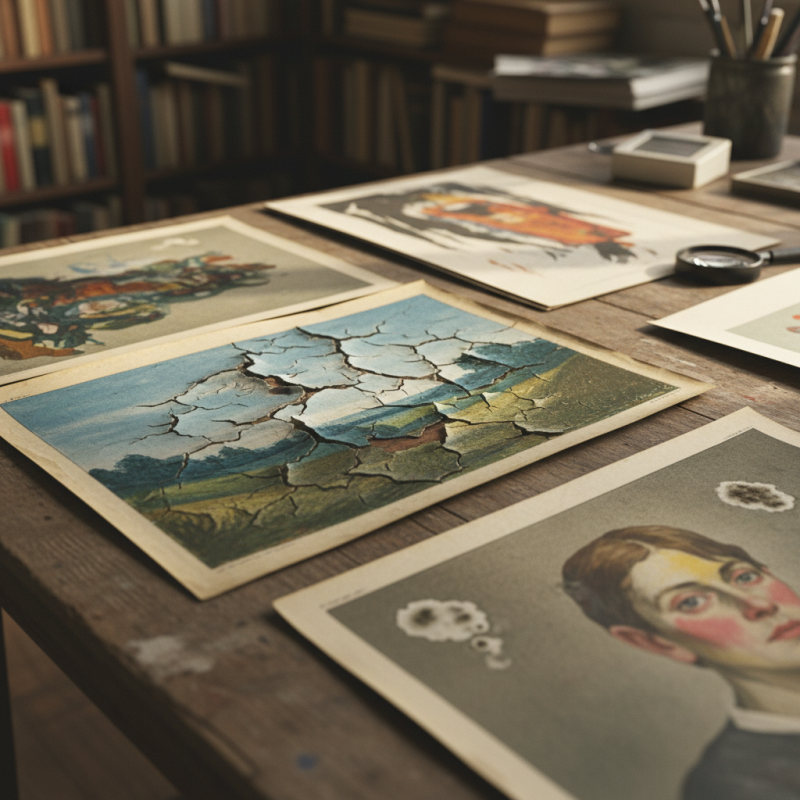
Why Do Prints Crack or Fade Over Time?

Factors Contributing to Print Cracking and Fading Over Time

Prints can crack or fade for various reasons. One major factor is exposure to light. UV rays can break down the pigments in the ink. Over time, this leads to noticeable fading. Direct sunlight is particularly damaging. Whole areas of a print may lose their vibrancy in just a few weeks.

Humidity and temperature fluctuations play a crucial role as well. High humidity can saturate paper, causing it to warp. This distortion can prompt cracks to form. Conversely, dry conditions may draw moisture from the ink, leading to fading. It's a delicate balance that many overlook.

Chemical exposure is another significant threat. Everyday items like cleaning sprays or smoke may contain substances that react with the print. These reactions can cause discoloration or degradation. Being mindful of these environmental factors is essential for preserving prints. Understanding these risks helps in taking better care of valuable artworks or photographs.

The Role of Ink Quality in Print Longevity

The quality of ink plays a crucial role in the longevity of prints. High-quality ink resists fading and cracking better than its inferior counterparts. The pigments in premium ink are more stable and less prone to deterioration over time. When exposed to light and air, cheaper inks often lose their vibrancy. This can lead to prints that look dull and lifeless.

Consider a vibrant piece of artwork hanging in a sunlit room. Over time, the colors may shift dramatically if low-quality ink is used. This can be disheartening, especially when a cherished print becomes unrecognizable. Professional printers understand the importance of using high-grade inks. Still, many consumers may overlook this factor when choosing prints.

Ink composition matters, too. Dyes can fade faster than pigments. While both have their uses, selecting the right type for a specific project is vital. It's easy to dismiss this complexity. But understanding the nuances of ink can save you from disappointment. Reflecting on your prints may lead to better choices in the future.

Impact of Environmental Conditions on Print Durability

Environmental conditions play a crucial role in the longevity of prints. Exposure to sunlight is a primary factor. Ultraviolet (UV) rays can cause colors to fade over time. Even indoor lighting can contribute to gradual deterioration. High humidity levels can also affect prints. Moisture encourages mold growth and can warp the material, compromising its integrity.

Temperature fluctuations matter too. Extreme heat can lead to brittleness, while cold can make materials stiff. Print media, such as paper or fabric, absorbs moisture and temperature changes differently. This inconsistency can cause cracking or peeling. Dust and pollutants in the air can settle on prints, leading to discoloration.

It’s essential to consider how prints are displayed and stored. Ideally, they should be kept in a climate-controlled environment. Proper framing can shield prints from harmful conditions. While we strive for perfection, some conditions are beyond our control. Recognizing these challenges can help us make informed choices for preserving our prints.

Techniques for Preserving Printed Materials from Damage

Preserving printed materials is vital for maintaining their integrity and visual appeal. According to the "National Archives" guidelines, prints can deteriorate due to environmental factors. Light, humidity, and temperature play significant roles in this degradation. Extended exposure to sunlight can cause colors to fade, while high humidity promotes mold growth.

To combat these issues, experts recommend controlling the storage environment. Keep prints in a cool, dry space. Ideal temperatures range from 65 to 70 degrees Fahrenheit, with humidity levels ideally between 30% and 50%. Using acid-free materials for storage can prevent chemical reactions that lead to yellowing and brittleness. Recent studies show that prints stored under these conditions last significantly longer—up to three times as long—than those placed in less controlled environments.

Additionally, handling prints with care is essential. Gloves should be worn to avoid transferring oils from hands. Experts note that even casual handling can contribute to scratches and tears, leading to irreversible damage. Innovative techniques, such as encapsulation, can provide extra protection while allowing for visibility. Though there is no foolproof method to fully eliminate wear, these practices significantly enhance the longevity of printed materials.

Understanding the Aging Process of Print Media

Print media age like living beings. Over time, exposure to light, temperature, and humidity takes a toll. Color degradation is common. Vibrant hues fade into muted tones. Prints trapped in plastic sleeves can develop yellowing. This process often goes unnoticed until it's too late.

Understanding the aging process can help preserve prints. Some inks are more stable than others. Pigment-based inks typically last longer than dye-based ones. However, no print is immune to time. Regular assessment of print condition is crucial. Dark storage may seem ideal, yet it isn’t always practical. Many still hang prints in sunlight, unknowingly hastening their demise.

Handling plays a pivotal role as well. Oils and dirt from fingers can leave lasting marks. Even the most careful handling can’t stop deterioration. There’s a desire for permanence. But, accepting impermanence brings clarity. Reflecting on these realities can lead to better care practices. It is a continuous learning experience for art lovers and collectors.

Understanding the Aging Process of Print Media

FAQS

: How do environmental conditions affect print durability?

: Environmental factors like sunlight, humidity, and temperature greatly impact print longevity. UV rays can fade colors.

What role does sunlight play in print degradation?

Sunlight exposure, even from indoor lighting, can gradually deteriorate print quality and cause fading over time.

How does humidity affect printed materials?

High humidity encourages mold growth and can warp materials, undermining the print’s structure and aesthetic.

What temperature range is ideal for storing prints?

The ideal temperature for storing prints is between 65 and 70 degrees Fahrenheit. This helps maintain their quality.

Why should acid-free materials be used for storage?

Acid-free materials prevent chemical reactions that can lead to yellowing or brittleness in prints over time.

Why is handling prints carefully important?

Casual handling can cause scratches and tears. Oils from hands can also transfer, leading to irreversible damage.

What storage conditions are recommended for prints?

Store prints in a cool, dry place with humidity levels ideally between 30% and 50% for longer preservation.

Is there a perfect way to preserve printed materials?

There is no foolproof method to prevent wear. However, careful handling and proper storage enhance longevity significantly.

What is encapsulation, and how does it help?

Encapsulation provides extra protection for prints, allowing visibility while safeguarding against damage.

What challenges exist in preserving prints?

Some environmental conditions are beyond control. Acknowledging these can help make better preservation decisions.

Conclusion

The article "Why Do Prints Crack or Fade Over Time?" explores various factors that affect the longevity of printed materials. It identifies the role of ink quality as a significant contributor, with high-quality inks offering better resistance to fading and cracking. Environmental conditions such as humidity, temperature fluctuations, and exposure to sunlight are also highlighted, as they can greatly impact print durability.

Additionally, the article discusses practical techniques for preserving prints, such as selecting appropriate storage methods and using protective coatings. Understanding the aging process of print media is crucial for maintaining their aesthetic appeal and integrity over time. By examining these elements, readers can gain insight into why do prints crack or fade over time and how to mitigate these effects effectively.

Oliver

Oliver

Oliver is a seasoned marketing professional with a wealth of expertise in driving brand awareness and engagement. With a deep understanding of our company's product offerings, he consistently delivers high-quality content that enriches our professional blog. His insights not only shed light on......