The quest for high-quality prints in the DTF (Direct to Film) and DTG (Direct to Garment) processes has become a focal point for many in the printing industry. As Michael Wright, a leading expert in textile printing, aptly stated, “Understanding what affects printing quality in DTF and DTG is crucial for delivering outstanding results.” This insight emphasizes the need to explore the intricate factors influencing print quality.
Several elements play a pivotal role in determining print output, including ink type, fabric selection, and printer settings. For instance, not all inks are created equal, and using subpar materials can compromise vibrancy. Additionally, the choice of fabric significantly impacts adhesion and durability. It’s essential to assess each component carefully and make adjustments accordingly.
An often overlooked aspect is printer calibration and maintenance, which can dramatically affect the final product. Regularly cleaning print heads and ensuring accurate color profiles are necessary steps. However, many print shops neglect these practices, leading to unexpected inconsistencies. By focusing on these details, businesses can enhance their output and stand out in a competitive market.
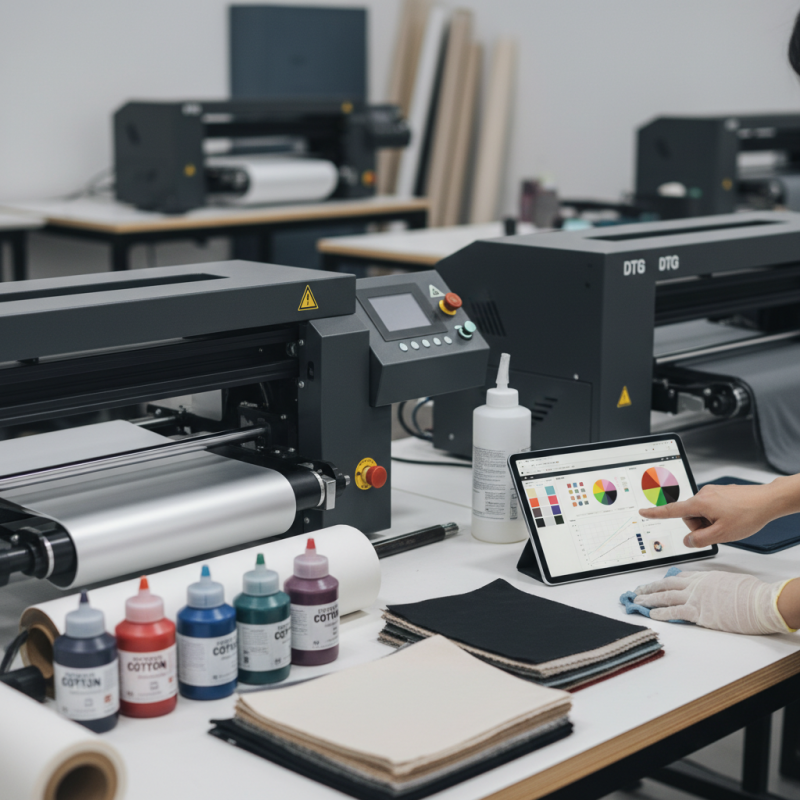
DTF (Direct to Film) and DTG (Direct to Garment) are innovative printing methods that have transformed the apparel industry. Understanding their fundamentals is crucial for achieving high-quality prints. DTF involves transferring printed designs from a film onto fabric, while DTG directly prints onto the garment. Both processes require different approaches to ensure color vibrancy and design precision.
In DTF printing, the film used should have the right texture and thickness. It's critical to select compatible inks that adhere well to the film. Many operators overlook this, leading to poor adhesion and faded prints. With DTG, maintaining the correct pretreatment of fabrics is vital. Insufficient pretreatment can result in blotchy prints that don’t last. One common mistake is using the wrong fabric types, which can negatively impact the final design quality.
Fine-tuning aspects like temperature and pressure during the printing process can drastically improve outcomes. Regular maintenance of printing equipment is equally important. Neglecting this can lead to mechanical failures or inconsistent printing results. Continuous learning and adaptation in techniques will help you identify areas for improvement and enhance overall print quality.
Achieving high printing quality in Direct to Film (DTF) and Direct to Garment (DTG) processes hinges on several key factors. One major element to consider is the quality of inks used. A study shows that inks with higher pigment concentrations can yield more vibrant colors and better durability. However, many operators overlook the impact of ink viscosity. Proper viscosity is crucial; too thick or too thin can lead to color inaccuracies and problems with adhesion.
Another vital aspect is the choice of substrates. The surface characteristics of the garment can heavily influence the final print outcome. For instance, cotton typically absorbs more ink than synthetic fibers, affecting color saturation. Ensuring compatibility between inks and substrates is essential. It may take more trial and error to find the right combinations than expected.
**Tips:** Regularly calibrate your printer settings. This adjustment helps maintain color accuracy over time. Use a lint roller on fabric before printing to eliminate debris that can interfere with adhesion. Consider investing in a spectrophotometer to measure color consistency, even if it seems excessive. The pursuit of quality can often reflect a trial-and-error learning curve—embracing mistakes is part of the process.
| Factor | Impact on Quality | Recommendations |
|---|---|---|
| Ink Quality | High-quality inks yield vibrant colors and durable prints. | Use inks specifically formulated for DTF and DTG processes. |
| Printer Calibration | Proper calibration ensures accurate color reproduction and alignment. | Regularly calibrate printers according to manufacturer guidelines. |
| Material Type | Different materials absorb ink differently, affecting print quality. | Choose compatible materials that enhance print performance. |
| Pre-treatment Processes | Improper pre-treatment can lead to poor adhesion and washed-out colors. | Follow exact pre-treatment processes for the specific fabric type. |
| Printing Speed | Too fast printing may reduce detail and color accuracy. | Adjust speed settings based on the complexity of the design. |
Ink application plays a crucial role in enhancing printing quality for both DTF (Direct to Film) and DTG (Direct to Garment) processes. Optimizing this application can significantly impact color vibrancy and detail clarity. According to industry reports, adjusting the ink viscosity can lead to a 20% improvement in color saturation. A consistent ink thickness ensures even coverage, reducing the chances of blotchiness.
Consider the print settings. A resolution of at least 1440 DPI is recommended for detailed designs. Higher DPI allows for better definition and finer details. This can be especially important for intricate graphics, where a lack of detail can detract from the overall effect. Furthermore, nozzle health directly affects ink application. Regular cleaning of print heads can prevent blockages and maintain consistent output. Failing to address these maintenance issues could result in higher reject rates.
Experimenting with different ink formulations can lead to better results. While some inks offer high durability, they may lack vibrancy. Balancing ink properties and application methods is vital. Testing on various substrates can also reveal how different materials absorb ink. Each substrate may require a unique approach, reflecting the need for ongoing optimization in production methods.
Choosing the right materials is crucial for enhancing printing results in DTF (Direct-to-Film) and DTG (Direct-to-Garment) processes. High-quality inks, films, and fabrics can significantly affect the final product's appearance. According to industry reports, using premium inks can improve color vibrancy by up to 30%. This increase can lead to higher customer satisfaction and repeat business.
When selecting materials, consider the type of fabric. Cotton and blended fabrics generally provide better ink adherence. However, some polyester materials may require special inks for optimal results. A study found that improper fabric selection can reduce print durability by 20%, showing the importance of material compatibility with inks.
Tips for improving printing quality:
- Invest in high-quality inks and films.
- Test various fabric types for optimal color retention.
- Regularly maintain your printing equipment.
Be aware that even well-chosen materials may not guarantee perfect results every time. Variability in fabric batches and environmental conditions can impact the final output. Acknowledging flaws can guide better selections in future projects, leading to continuous improvement.
Regular maintenance is crucial for achieving
high-quality prints in DTF and DTG
processes. Keeping equipment clean is a foundational step. Dust and ink residue can affect print quality.
Regularly clean the print heads, sensors, and the ink delivery system. This simple task can prevent
clogging and ensure consistent ink flow. It is easy to overlook. Neglect can lead to significant issues
down the line.
Calibration of printers should not be ignored. Over time, color profiles may drift. Regularly check and
adjust your printer settings to maintain accurate colors. This includes ensuring proper alignment of print
heads. Misalignments can lead to blurring and misprints. Monitoring the performance regularly is essential.
Not doing so can result in wasted time and materials.
Additionally, check all consumables, such as inks and transfer films. Old or incompatible materials can
compromise print quality. Experiment with different materials to find what works best for your specific
setup. Document any changes made. This can help in troubleshooting future problems. Embracing regular
maintenance practices can elevate your printing quality dramatically. Yet, it also requires diligence and
ongoing effort to refine these processes consistently.
: DTF stands for Direct to Film. It transfers designs from a film onto fabric.
DTG stands for Direct to Garment. It prints designs directly onto garments.
Using compatible inks ensures good adhesion to the film. Poor ink choice leads to faded prints.
Proper pretreatment is vital. Insufficient treatment causes blotchy prints that may not last.
Adjusting temperature and pressure can enhance print outcomes. Consistent settings lead to better results.
Neglection can result in mechanical failures. It also leads to inconsistent printing results over time.
A resolution of at least 1440 DPI is ideal for intricate graphics. Higher DPI improves detail clarity.
Adjusting viscosity can improve color saturation by up to 20%. Consistent thickness ensures even coverage.
Various inks have unique properties. Experimenting can lead to better durability and vibrancy in prints.
Different materials absorb ink differently. Adapting techniques for each substrate is essential for quality results.
Improving printing quality in DTF (Direct-to-Film) and DTG (Direct-to-Garment) processes requires a fundamental understanding of their respective technologies and the various factors that influence print outcomes. Key elements that affect printing quality in DTF and DTG include ink application techniques, the choice of materials, and regular maintenance practices. By optimizing ink application, printers can achieve richer colors and finer details, while selecting appropriate substrates enhances overall results. Furthermore, establishing consistent maintenance routines ensures that printers operate at peak performance, minimizing issues that could compromise print quality.
To effectively address what affects printing quality in DTF and DTG, it is crucial for operators and professionals to stay informed about best practices and emerging techniques. By focusing on these critical areas, print providers can enhance their output, resulting in higher customer satisfaction and a superior final product.

Colvanta Print