As the textile industry evolves, understanding "what are the future trends in textile printing" becomes essential for buyers. Industry expert Dr. Emily Thompson, a leading figure in textile innovation, states, “We are witnessing a shift towards sustainability and personalization in printing technologies.” This insight sheds light on the importance of adapting to future trends.
Recent advancements in digital textile printing are reshaping how designers and manufacturers work. The shift relies on environmentally friendly inks and processes, which appeal to eco-conscious consumers. Furthermore, the ability to create customized prints in smaller batches can help brands meet specific market demands. Yet, some companies struggle to keep up with these changes. They often face challenges in integrating new technologies into established processes.
Buyers need to recognize that future trends in textile printing ultimately affect product quality and consumer preferences. Brands that embrace innovation can differentiate themselves in a saturated market. However, those who resist change risk becoming obsolete. The dynamics of this industry call for constant reflection and adaptation to thrive in a global marketplace.
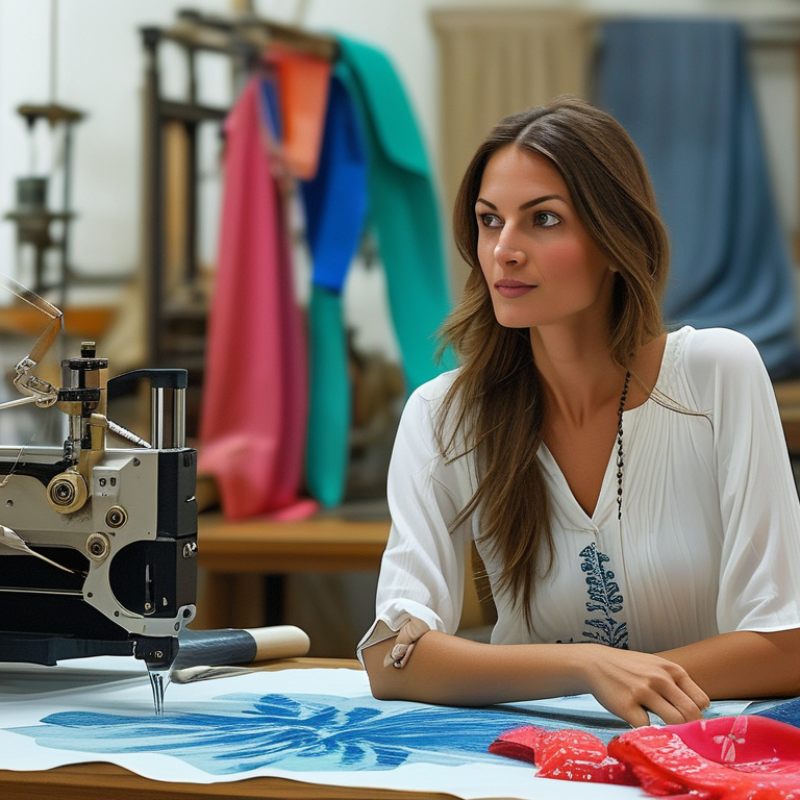
The textile printing industry is rapidly evolving. Buyers must understand future trends to remain competitive. A recent report by Smithers stated that the digital textile printing market will grow at a compound annual growth rate of over 20% through 2027. This significant shift reflects the increasing demand for customization and shorter lead times.
Sustainability is another key trend that buyers cannot ignore. According to a study by Research and Markets, 67% of consumers now prefer brands that use eco-friendly materials. This shift impacts not only purchasing decisions but also the reputation of businesses in the industry. Printing methods are changing, with more brands seeking water-based inks and recycling processes. Buyers must evaluate suppliers based on their sustainability practices.
Moreover, technological advancements are transforming printing capabilities. Innovations in ink and printing machines are opening new opportunities. For instance, the adoption of 3D printing in textiles can produce unique patterns and designs with less waste. Buyers need to stay informed about these developments. Failure to adapt could lead to missed opportunities in the marketplace. Keeping up with these trends is vital for long-term success.
Digital printing technology is reshaping the textile industry, influencing market dynamics significantly. This innovation allows for faster production times and reduces waste. Buyers benefit from shorter lead times, enabling them to respond quickly to fashion trends. Customization becomes more accessible, catering to diverse consumer demands.
Moreover, the shift towards digital printing challenges traditional techniques. It invites a reevaluation of supply chains and inventory management. Many companies struggle to adapt to these rapid changes. While digital printing offers advantages, buyers should also be cautious. Quality control remains a significant concern, as variations in output can affect brand reputation.
Sustainability is another aspect that cannot be ignored. Digital printing often uses fewer resources, yet its impact on the environment depends on the materials used. Buyers must think critically about sourcing practices. The balance between quick production and responsible manufacturing is delicate. As the industry evolves, staying informed is essential for making wise purchasing decisions.
| Trend | Impact on Buyers | Market Dynamics | Future Outlook |
|---|---|---|---|
| Sustainability | Increased demand for eco-friendly materials | Shift towards organic and recycled fabrics | Expected growth in sustainable collections |
| Personalization | Greater customization options for end-users | Increase in demand for bespoke products | Trend towards unique, personalized items |
| Speed of Production | Faster turnaround times for orders | Reduced lead times impacting inventory strategies | Growing importance of on-demand manufacturing |
| Digital Integration | Enhanced supply chain transparency | Data-driven decision making becoming standard | Maximized efficiency through connected technologies |
| Color Accuracy | Improved quality control for vibrant designs | Higher customer satisfaction rates | Focus on advancements in color technology |
Sustainability is a key trend in textile printing today. Buyers increasingly demand eco-friendly solutions. According to a recent industry report, over 70% of consumers prefer sustainable products. This is influencing brands to adapt their supply chains.
Textile printing impacts the environment significantly. Traditional methods often rely on harmful chemicals and generate excessive waste. In contrast, sustainable practices minimize resource use and reduce pollution. Some innovative technologies utilize waterless printing methods, showing a 90% reduction in water usage. This shift not only protects the environment but also appeals to conscious consumers.
However, the transition to sustainable textile printing isn't without challenges. Many buyers struggle to find reliable suppliers who prioritize eco-friendly processes. This highlights a gap in the market. As demand grows, we may see increased innovation in sustainable materials and printing technologies. Buyers need to remain informed about these trends to make effective purchasing decisions. The future of textile printing demands a balance between aesthetics and responsibility.
In recent years, customization and personalization in textile printing have surged in importance. Buyers now seek unique products that reflect their individual tastes. This trend allows consumers to express themselves through fabric. When buyers can choose colors, designs, and even materials, it creates a deeper connection with the product.
The rise of digital textile printing technology has made customization easier. Shorter production runs mean consumers can order fewer pieces. This shift supports creativity and sustainability. However, challenges remain. Not all manufacturers are equipped for small-batch production. Quality can vary greatly, and it is crucial for buyers to research options thoroughly.
Personalized textile products can be a double-edged sword. While they offer uniqueness, they may lack the craftsmanship of traditional methods. Buyers must navigate these nuances carefully. Understanding the balance between personalization and quality is vital in this evolving market.
The textile printing sector is poised for significant growth. According to a report from Smithers Pira, the global market for printed textiles is expected to reach $8.7 billion by 2028. This surge is driven by advances in digital printing technology and the increasing demand for customization. Buyers need to stay informed about these trends to leverage the potential opportunities.
As consumer preferences evolve, the focus on sustainability is becoming a key driver. A study from Technavio highlights that eco-friendly printing methods will dominate the industry. Buyers must prioritize suppliers who adopt sustainable practices. This not only aligns with consumer values but also fulfills regulatory requirements.
However, challenges remain. The shift to digital printing can create an initial investment barrier. Many businesses may struggle to transition from traditional methods. There is uncertainty in choosing the right technology for their needs. Buyers must evaluate the long-term benefits of upgrading. Understanding these economic dynamics is essential for navigating the textile printing landscape effectively.
: Digital printing speeds up production and reduces waste, benefiting buyers with quicker responses to fashion trends.
Companies may struggle to adapt to rapid changes in supply chains and inventory management.
Variations in output can harm brand reputation, so buyers must be cautious about quality.
Over 70% of consumers prefer eco-friendly products, pushing brands to adopt sustainable solutions.
Traditional methods use harmful chemicals and create excessive waste, posing risks to the environment.
Waterless printing methods can reduce water usage by up to 90%, appealing to environmentally conscious consumers.
Many find it hard to locate reliable suppliers who emphasize eco-friendly processes, indicating a market gap.
The global market for printed textiles may reach $8.7 billion by 2028, driven by digital technology and customization demands.
Transitioning from traditional methods may involve uncertain initial costs and technology choices.
Understanding trends and balancing aesthetics with responsibility is crucial for effective purchasing decisions.
The article titled "Why Are Future Trends in Textile Printing Important for Buyers?" explores key developments shaping the textile printing industry and their significance for buyers. One major focus is on the impact of digital printing technology, which is transforming market dynamics by enabling faster production and reduced costs. Additionally, sustainability has become a pressing concern, with buyers increasingly demanding environmentally friendly printing practices.
Customization and personalization are also highlighted as growing trends, allowing buyers to cater to specific consumer preferences. Lastly, the article presents an economic forecast indicating potential growth in the textile printing sector, suggesting that understanding what are the future trends in textile printing is crucial for buyers to stay competitive and meet evolving market demands.

Colvanta Print