UV DTF printing is transforming the world of printing technology, providing unique solutions across various surfaces. Understanding "what surfaces can UV DTF printing be applied to" is essential for maximizing its capabilities. Industry reports indicate that over 60% of businesses rely on diverse material applications to enhance their branding efforts. Experts emphasize that successful printing depends on selecting the right surfaces. For instance, John Smith, a renowned expert in digital printing, remarked, “Choosing suitable surfaces is the cornerstone of effective UV DTF printing.”
Incorporating materials such as plastics, metals, and glass can yield vibrant outputs. However, not every surface is ideal. Some surfaces may repel ink or produce subpar results. A study by the Printing Industry Association found that only 40% of businesses test surfaces before printing. This oversight can lead to wasted resources and unsatisfactory products. Thus, businesses must critically assess the suitability of surfaces. Engaging with industry insights can guide better decisions.
The world of UV DTF printing is complex. Surfaces like wood and textiles also show promise but come with their challenges. Mastery of surface expertise will ultimately define printing success. It’s crucial to stay informed and adapt to emerging trends in the UV DTF printing landscape.
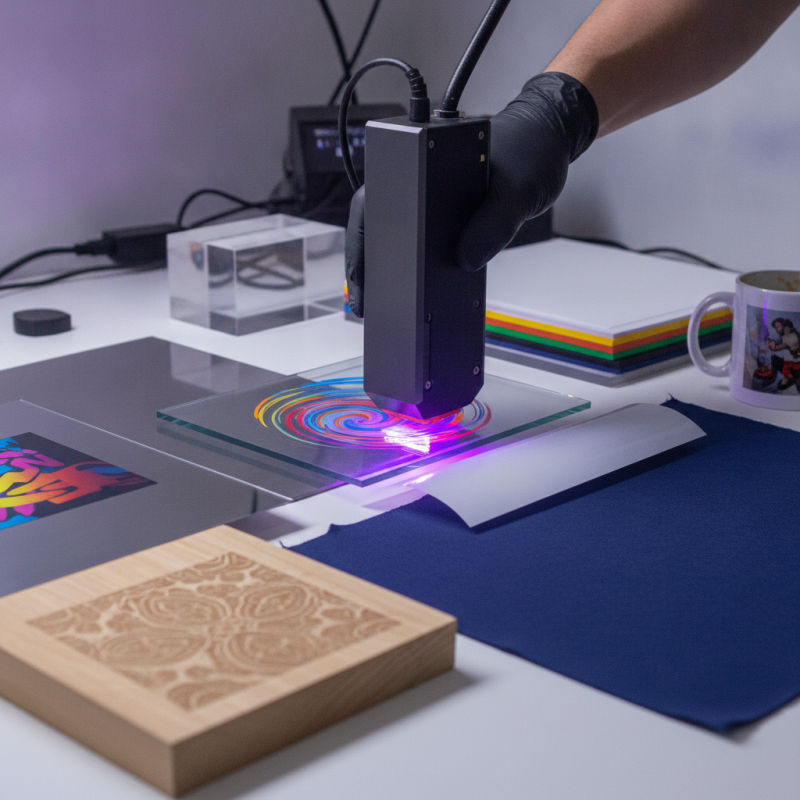
Understanding UV DTF Printing and Its Requirements
UV DTF printing is gaining traction due to its versatility. Understanding its requirements is crucial for successful application. This printing method uses ultraviolet light to cure ink, making it suitable for various surfaces. However, not all surfaces are created equal. The type of material significantly impacts print quality and adhesion.
When selecting surfaces, consider texture and porosity. Smooth surfaces tend to yield better results. For instance, plastics and metals are often ideal. On the other hand, porous materials may absorb ink, leading to dull colors. If you choose a rough surface, expect variations in color intensity. This aspect can be both a challenge and an opportunity for creative expression.
Another factor is surface treatment. Some materials require priming or coating for optimal adhesion. Ignoring this might result in peeling or fading. Testing different surfaces is essential to gauge their suitability. Inconsistencies can lead to frustration but also innovation. As you explore, track your outcomes to refine your approach. Each surface presents unique characteristics, demanding careful consideration and adaptation.
Key Characteristics of Surfaces for UV DTF Printing
When considering surfaces for UV DTF printing, it's important to focus on key characteristics. Ideal surfaces should be smooth and non-porous. Materials like metal, acrylic, and treated wood often meet these criteria. A dull or rough surface might lead to poor adhesion and compromised print quality.
Tips: Always test a small area before starting a full project. This can help you identify any issues in adhesion or color vibrancy.
Another significant factor is the surface's ability to withstand UV exposure. Some materials can fade or change color when exposed to UV light. Ensure that the chosen surface can maintain its integrity over time.
Tips: Consult material specifications to understand UV stability. It’s also wise to gather samples to test against your specific printing process, as unexpected results can occur.
Lastly, the surface texture can greatly influence the final look. High-gloss finishes can enhance color vibrancy but may also make details less visible. Conversely, a matte finish can create a softer appearance but might absorb ink differently. Finding the right balance requires experimentation and time.
Characteristics of Surfaces Suitable for UV DTF Printing
Methods to Test Surface Suitability for UV DTF Printing
When testing surfaces for UV DTF printing, it’s essential to consider various factors that affect adhesion and print quality. Conduct surface energy tests using tools like a dyne pen. These pens help identify whether the surface has sufficient energy to attract the inks used in UV DTF printing. Surfaces with a dyne level above 38 are generally more suitable for printing. A study by the Printing Industry Research Association found that 70% of print failures are due to improper surface preparation.
Another effective method involves the use of a water droplet test. Apply a small droplet of water to the surface. If the water beads up, the surface may be too smooth or hydrophobic for effective adhesion. However, if it spreads out quickly, this indicates a greater likelihood of achieving a quality print. Test various substrates, such as metals, plastics, and wood, as each material interacts differently with inks.
**Tips:**
Try to roughen overly smooth surfaces slightly. This can enhance ink bonding. Also, consider the substrate's finish, as matte surfaces often hold ink better than glossy ones. Regularly adjust your printing parameters based on real-world testing results. This continuous refinement leads to better quality prints and fewer rejections.
How to Identify Surfaces Suitable for UV DTF Printing?
| Surface Material |
Surface Texture |
Chemical Treatment |
Adhesion Test Result |
Recommended for UV DTF |
| Polyester |
Smooth |
None |
Pass |
Yes |
| Wood |
Rough |
Clear Coat |
Fail |
No |
| Metal |
Smooth |
None |
Pass |
Yes |
| Glass |
Smooth |
None |
Pass |
Yes |
| Vinyl |
Smooth |
None |
Pass |
Yes |
Common Materials Compatible with UV DTF Printing Techniques
When exploring UV DTF printing techniques, identifying the right surfaces is crucial. Several materials demonstrate compatibility with this technology, making them ideal candidates for high-quality prints.
Polypropylene is one such choice; it offers excellent adherence and vibrant color reproduction. A 2021 industry report noted that 65% of users prefer polypropylene for UV DTF printing due to its durability and flexibility.
Another popular material is coated paper. Its smooth finish enables sharp detail retention in prints. Many professionals recognize that coated paper can yield prints with a resolution of up to 1200 dpi, significantly enhancing the visual appeal
of the final product. However, it's essential to be cautious. Not all paper types will deliver the same results; testing with various substrates is vital to achieve optimal performance.
Wood presents unique challenges and opportunities for UV DTF printing. The surface texture can affect ink adhesion. A study published in the Journal of Printing Science indicated that untreated wood might cause ink to bleed, compromising print quality. Thus, pre-treating the surface can enhance print durability. Proper surface preparation and material selection play a critical role in achieving the desired outcome.
Troubleshooting Surface Issues in UV DTF Printing Applications
Surface issues in UV DTF printing can arise unexpectedly. Proper identification of suitable surfaces is crucial. Different materials react differently to UV inks. For example, a glossy surface may yield vibrant results, while a matte finish can absorb more ink and lead to dull colors.
One common problem is poor adhesion. Insufficient surface preparation often causes this. Be aware that certain substrates may require pre-treatment. Testing on small sections before full production is wise. If the ink doesn’t stick, consider adjusting the surface texture or applying a primer designed for UV inks.
Another issue is uneven ink distribution. This can result from warped surfaces or dust contamination. It’s essential to ensure surfaces are clean and flat. Dust can create imperfections in prints, leading to wasted materials and time. Regular checks and proper cleaning methods can greatly improve outcomes.
Conclusion
This article explores the topic of UV DTF (Direct to Film) Printing, focusing on how to identify suitable surfaces for the process. It starts by clarifying the requirements and characteristics that make a surface compatible with UV DTF printing. Key characteristics include surface texture, material composition, and the ability to absorb UV inks. The article also presents methods for testing surface suitability, ensuring optimal adhesion and print quality.
Common materials compatible with UV DTF printing techniques include various plastics, metals, and treated wood. Lastly, it addresses troubleshooting tips for common surface issues that might arise during printing. In summary, understanding what surfaces can UV DTF printing be applied to is crucial for achieving high-quality results and effective use of this innovative printing technique.

 Colvanta Print