In the competitive world of garment printing, understanding what equipment is needed for garment printing is essential. Success hinges on having the right tools. Without them, your efforts may fall flat. Many beginners overlook this crucial aspect, leading to frustration.
The basics include printers, heat presses, and inks. Each piece of equipment plays a vital role. Selecting the right printer can significantly impact quality. Heat presses ensure durability, while inks bring designs to life. However, the choices can be overwhelming. Not every machine suits every purpose. It’s important to match your equipment with your specific business goals.
Investing in high-quality gear can be a game changer. Yet, the initial costs can be daunting. It’s essential to evaluate your budget and needs carefully. Many aspiring printers have made hasty decisions, only to regret them later. Understanding your specific requirements will help you choose wisely.
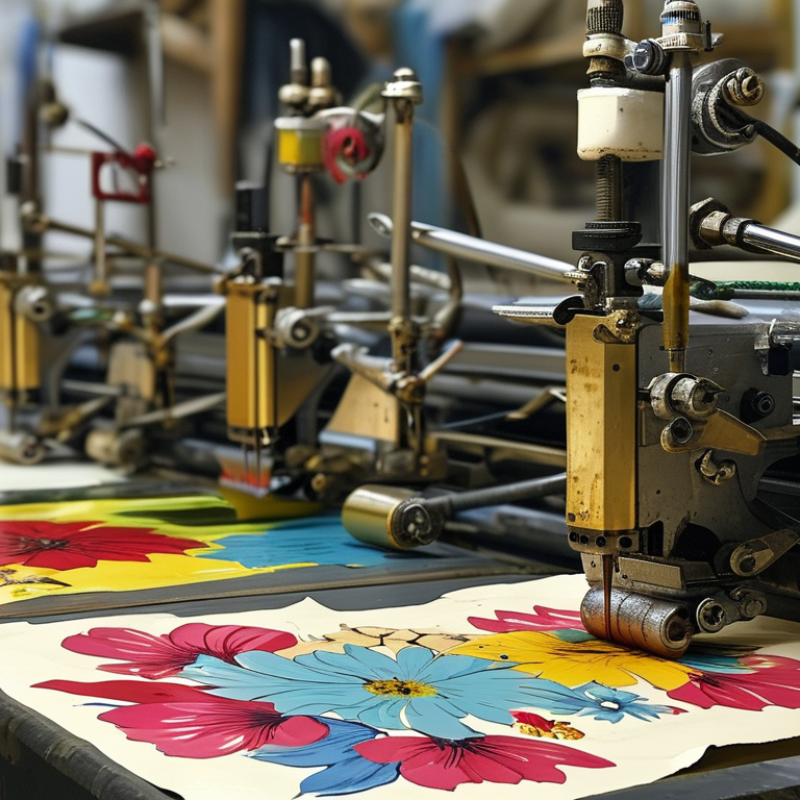
Garment printing is an art that requires both skill and the right techniques. Understanding essential printing methods can lead to success. Screen printing is one of the oldest techniques. It provides vibrant results and is perfect for large batches. However, it has a steep learning curve. Those new to screen printing may struggle initially, but practice leads to improvement.
Heat transfer printing is another effective method. This technique is ideal for small runs and offers flexibility in designs. The quality can vary if not applied correctly. Ensure you follow temperature and pressure guidelines. Often, users overlook these key factors, resulting in less than ideal prints.
Tips: Always test your setup before production. This can save time and materials. Additionally, keep your workspace organized. A tidy area can massively enhance productivity. Experiment with different materials to learn their behavior. By analyzing your results, you can refine your methods and ensure higher quality prints over time. Embrace the learning process; mistakes are a part of growth.
Screen printing is a popular method in garment production. To achieve success, specific equipment is essential. The most crucial pieces include screens, squeegees, and ink. According to a report by IBISWorld, the screen printing industry in the U.S. generates over $10 billion annually. This statistic highlights the equipment's importance in creating quality apparel.
Using high-quality screens ensures clear and sharp designs. These screens must be coated with emulsion and properly exposed to light. Squeegees are equally vital. They help push the ink through the screen onto the fabric. A variety of squeegee materials can yield different results. Ink choice influences color vibrancy and durability too. Investing in reliable ink can significantly impact the final product’s quality.
However, not all screen printing setups guarantee success. Proper techniques must accompany the right equipment. The setup process can be tricky and often requires adjustments. Many newcomers underestimate the learning curve. It's vital to continuously refine skills and adapt to new technologies. As trends evolve, so must equipment and techniques used in the industry. Always be open to learning more.
When it comes to DTG (Direct to Garment) printing, the right tools and setup make all the difference. A quality DTG printer is essential. It allows for high-resolution designs on various fabric types. Be sure to invest in a reliable pretreatment machine. This helps the ink bond to the fabric better, enhancing durability.
Tips: Always use a heat press to effectively cure the ink. This step is crucial for longevity. Experiment with different temperatures and timings to find the perfect balance.
Another important component is software for design and printing. Look for user-friendly options that offer versatile features. Previews, color adjustments, and file management are vital. Regularly update your software to avoid glitches.
Tips: Keep your workspace organized. This reduces errors during the printing process. A clutter-free area ensures you stay focused. Review each setup before starting production to catch potential issues.
When it comes to garment printing, having the necessary finishing tools is crucial. These tools directly impact the quality of the final product. A reliable heat press machine, for instance, ensures that designs are properly adhered to fabrics. This step is vital for achieving long-lasting results, especially for items that are frequently washed.
In addition, screen printing squeegees play a significant role in transferring ink evenly. Using the right squeegee helps avoid inconsistencies and produces sharp, clear designs. Sometimes, beginners overlook the significance of this tool. Investing in durable, high-quality squeegees can make a noticeable difference over time.
Another often forgotten tool is a lint roller. This simple device helps remove any debris from the fabric before printing. Lint can cause issues, such as blurred graphics. Paying attention to such details prevents common printing mistakes. Ignoring them is a pitfall many face in the early stages of garment printing. Properly addressing these aspects can elevate the quality of your prints and lead to better customer satisfaction.
Starting a garment printing business requires careful budgeting for equipment. According to a recent report by IBISWorld, the print-on-demand market has seen a growth rate of 25% annually. This surge indicates a need for significant investment in the right tools.
Essential equipment includes a digital printer, which can cost between $10,000 to $30,000. This is a crucial investment. You also need heat presses, which vary in price from $200 to $2,000. These machines are vital for applying designs on fabrics. Additionally, embroidery machines can range from $1,000 to $10,000 and can expand your service offerings.
Understanding your market is key. Data shows that startups often underestimate operational costs. The average failure rate for new businesses in this sector is around 20% within the first year. Investing wisely in equipment can make a big difference. Many entrepreneurs initially struggle with balancing quality and cost. Proper budgeting helps avoid pitfalls and paves the way for potential success.
| Equipment Type | Description | Estimated Cost ($) |
|---|---|---|
| Screen Printing Press | Used for printing designs on garments using ink and stencils. | 2,000 |
| Heat Press | A device for applying heat to transfer graphics onto fabrics. | 600 |
| DTG Printer | Direct-to-garment printer that applies ink directly onto the fabric. | 15,000 |
| Sewing Machine | For hemming garments and adding any sewn designs. | 800 |
| Design Software | Software for creating and editing design files. | 300 |
| Setup Costs (screens, ink) | Initial costs for creating screens and purchasing ink. | 1,500 |
| Heat Transfer Vinyl | Material used for customizing garments with designs. | 200 |
: Screen printing is an old technique that produces vibrant results. It's excellent for large batch printing.
Beginners may find screen printing difficult. The steep learning curve can lead to initial struggles.
Heat transfer printing works well for small runs. It offers flexibility but can vary in quality if mishandled.
Testing your setup can save time and materials. It's a crucial step before actual production begins.
A lint roller removes debris before printing. This simple tool prevents blurred graphics and common mistakes.
Startups can expect to invest significantly. Digital printers can range from $10,000 to $30,000, for instance.
Key tools include heat press machines and screen printing squeegees. Both impact the quality of designs.
Many beginners overlook workspace organization. A tidy area can greatly enhance productivity and efficiency.
New businesses often underestimate operational costs. Many fail within the first year due to budget mismanagement.
Experimenting with different materials aids in learning their behavior. Analyzing results refines methods for better quality.
When exploring what equipment is needed for garment printing, it's essential to understand the various printing techniques and their corresponding tools. Screen printing stands out as a foundational method in garment production requiring specific key equipment such as screens, squeegees, and ink. Additionally, Direct-to-Garment (DTG) printing involves specialized printers, pretreatment machines, and heat presses, highlighting the need for the right setup to ensure high-quality results.
Moreover, finishing tools, such as heat sealers and cutters, are crucial for producing professional-grade garments. As you venture into this industry, budgeting for startup equipment is equally important, ensuring you acquire all necessary tools without overspending. Understanding these elements will set the stage for success in the competitive garment printing market.

Colvanta Print