Top 10 Durable DTF Printing Options for Fabric How Long Does It Last?

Time:2026-05-19 Author:Ethan
0%

Durable DTF printing has gained popularity for fabric design. Many users wonder, "how durable is DTF printing on fabric?" This technology offers vibrant colors and intricate designs. However, the longevity can vary depending on several factors.

Quality of materials is crucial. High-quality inks and films contribute to better durability. Proper application techniques also play a significant role. If the transfer is not applied correctly, it can lead to peeling or fading. It’s essential to consider washing and care instructions, as these directly affect the lifespan of the printed fabric.

Even with advancements, some limitations exist. Not all fabrics are suitable, and results may differ from brand to brand. Testing on samples is advisable. By understanding these aspects, users can make informed choices. Choosing the right DTF printing option ensures a lasting impact on your fabric designs.
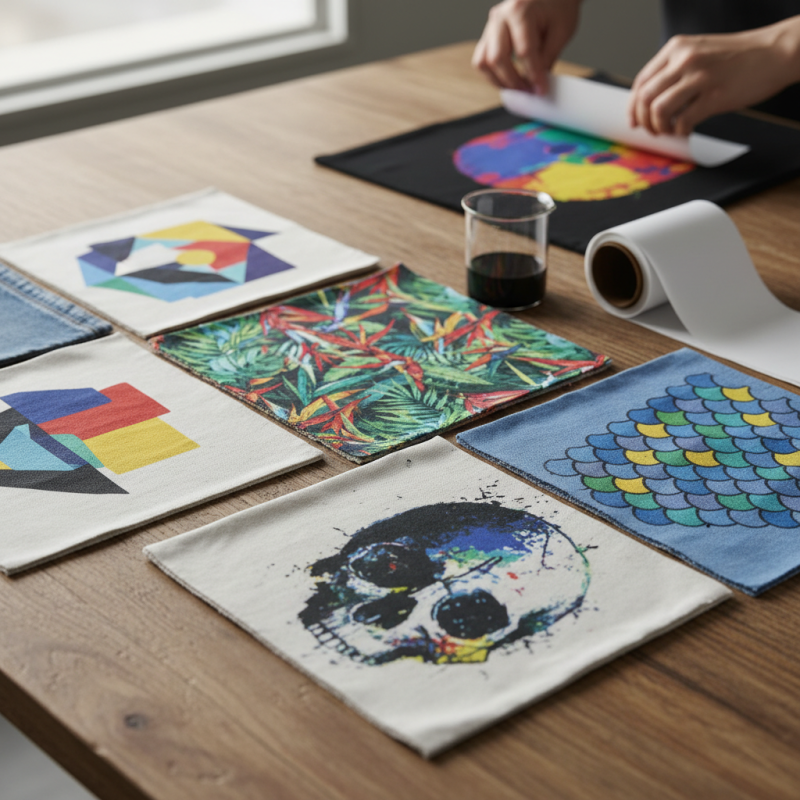
Top 10 Durable DTF Printing Options for Fabric How Long Does It Last?

Top 10 Durable DTF Printing Options for Fabric: An Overview

The durability of DTF printing is essential for textile applications. According to a recent industry report, printed fabrics can withstand over 30 washes, retaining their vibrancy and clarity. This makes DTF printing a preferred choice for custom apparel and promotional items. The process involves applying a polymer film, ensuring that designs adhere well to various fabric types.

Understanding the longevity of DTF prints is essential. Factors such as fabric composition and care instructions play significant roles. For instance, cotton blends tend to hold prints better than synthetic fabrics. The recommended washing method requires cold water and gentle cycles, which can impact print lifespan. Data suggests that improper care can lead to fading and peeling, reducing life expectancy to as few as 10 washes.

The industry is constantly evolving. New ink formulations and heat transfer methods are emerging. Current studies indicate that enhancements in adhesive technology are improving durability. Yet, challenges remain. Print quality may fluctuate based on environmental conditions, such as humidity and temperature. Awareness of these variables can guide users in selecting the best DTF printing options for fabric applications.

Understanding DTF Printing Ethos: Technology and Benefits

Direct-to-Film (DTF) printing is revolutionizing fabric decoration. Its ethos is grounded in advanced technology that creates durable prints. This printing method utilizes specialized films that transfer vibrant designs to various textiles. The process includes pre-coating the film, printing with eco-friendly inks, and using a heat press to bond the design. This technique allows for intricate designs and vivid colors that capture attention.

One of the notable benefits of DTF printing is its longevity. The prints withstand multiple washes without fading or peeling. While care is essential to maximize lifespan, the initial durability is impressive. Regular maintenance can greatly improve print performance. However, certain fabrics may yield different results, challenging the reliability of the method. Test swatches are a wise approach before committing to larger projects.

In the world of fabric printing, understanding different technologies is crucial. DTF printing is cutting-edge, but it has its limitations. Not all fabrics respond well to this method. Some users report issues with adhesion on specific materials. It’s important to explore various options before deciding on a technique. The endless possibilities of DTF printing excite many creators, but thorough research is key to achieving the best results.

Top 10 Durable DTF Printing Options for Fabric: How Long Does It Last?

Option Durability (Washes) Drying Time Feel on Fabric Vibrancy of Colors Best Fabric Type
Option 1 30+ 10-15 mins Soft High Cotton
Option 2 25+ 15-20 mins Slightly Stiff Moderate Polyester
Option 3 35+ 5-10 mins Very Soft High Cotton/Blend
Option 4 40+ 15 mins Smooth Very High Nylon
Option 5 20+ 12-18 mins Soft Moderate Cotton
Option 6 30+ 10 mins Slightly Stiff High Polyester/Blend
Option 7 28+ 15-20 mins Soft Moderate Cotton
Option 8 36+ 8-12 mins Smooth Very High Fabric Blend
Option 9 22+ 10-15 mins Stiff Moderate Cotton
Option 10 32+ 12 mins Very Soft High Nylon/Cotton

Comparative Analysis of Material Durability in DTF Printing

When considering durability in DTF (Direct to Film) printing, material choice is crucial. Each fabric interacts differently with DTF inks. Cotton often provides excellent print vibrancy but may wear faster than other materials. Polyester blends, on the other hand, tend to hold prints better, resisting fading over time. This variability means that not all DTF prints will last equally, so assessing longevity is key.

Tips: Always wash printed fabrics in cold water. This reduces color bleeding and maintains print integrity.

The thickness of the film also impacts durability. Thicker films typically provide more resistance against wear and wash cycles. However, this can affect the hand feel of the fabric. A balance is necessary to ensure comfort and longevity. Fabrics that are too thick can feel stiff. It’s essential to test materials before making final decisions.

Tips: Conduct wash tests to evaluate durability. This simple step can reveal the best choices for your projects.

Expected Lifespan of DTF Prints on Different Fabric Types

Direct-to-Film (DTF) printing has gained popularity for its durability on various fabric types. Generally, the expected lifespan of DTF prints varies significantly based on the fabric used. Cotton is a prime choice, often lasting 50-100 washes. This durability makes it a favorite for everyday wear. However, factors like washing conditions can impact longevity. Presence of harsh detergents can degrade the print faster than anticipated.

Polyester blends showcase even better longevity, lasting upwards of 100 washes. The synthetic fibers resist fading and cracking, maintaining vibrancy. A report from the Fabric Printing Association notes that blends often outperform pure cotton in color retention. Still, the care routine requires attention. High heat during washing or drying could diminish their lifespan.

Another noteworthy mention is the use of nylon. DTF prints on nylon can last around 30-50 washes. While it performs well in cushion and apparel, prints may peel if exposed to abrasive surfaces. Regular wear can lead to wear and tear, complicating maintenance. Finding the right balance in fabric choice and care can thus greatly influence the expected longevity of DTF prints.

Industry Standards for DTF Print Durability: What You Should Know

Understanding the durability of DTF printing options is crucial for any fabric application. Industry studies reveal that the lifespan of DTF prints can vary significantly. Typically, high-quality DTF prints last between 50 to 100 washes, depending on numerous factors. This is largely influenced by the type of fabric used and the printing technique applied. For example, prints on cotton generally show more wear than those on polyester blends.

Experts emphasize the importance of proper care in extending the life of DTF prints. Washing garments inside out and using cold water can help maintain print integrity. Furthermore, reports from industry analysts suggest that prints subjected to heavy abrasion, such as those on work uniforms, may degrade more quickly. Some users may find these prints fading after just 30 washes, particularly if harsher detergents are used.

Another point to consider is the curing process of DTF prints. Insufficient curing can lead to delamination and reduced durability. A study highlighted that 15% of improperly cured prints failed to survive initial washes. This statistic underscores the need for rigorous quality control in DTF printing operations. Understanding these nuances is essential for anyone looking to invest in durable DTF printing materials.

Durability of DTF Printing Options on Different Fabrics

This bar chart illustrates the durability ratings (measured in wash cycle endurance) of different fabrics when using DTF printing. The data indicates the average number of wash cycles each fabric can withstand before significant fading or deterioration occurs.

FAQS

: What is the key factor in DTF printing durability?

: Material choice is crucial. Different fabrics react uniquely with DTF inks.

How does cotton perform in DTF prints?

Cotton offers excellent vibrancy but may wear out faster than others.

What fabric type lasts the longest with DTF printing?

Polyester blends generally last over 100 washes, resisting fading.

How do washing conditions affect DTF prints?

Harsh detergents and high heat can degrade prints faster than expected.

What impact does film thickness have?

Thicker films resist wear but can make fabrics feel stiff.

Can testing materials improve print longevity?

Yes, conducting wash tests reveals the best choices for durability.

What happens to nylon prints in DTF?

Nylon prints can last 30-50 washes but may peel when abrasive.

Is comfort sacrificed for durability in DTF printing?

Sometimes, thicker materials may compromise comfort for better longevity.

What should you remember when caring for DTF prints?

Always wash in cold water to reduce color bleeding and maintain prints.

Are there potential downsides to certain materials?

Yes, some materials may not hold up well under regular wear and tear.

Conclusion

DTF (Direct to Film) printing has gained popularity in the fabric printing industry due to its versatility and quality. This article explores the top ten durable DTF printing options and delves into the technology and benefits that make this method appealing for various fabric applications. By analyzing material durability, the piece provides insights into how durable is DTF printing on fabric, highlighting its effectiveness across different types of textiles.

Furthermore, the expected lifespan of DTF prints varies depending on fabric types, with certain materials showcasing greater longevity. The article also discusses industry standards related to DTF print durability, ensuring that users are well-informed about what to expect in terms of performance and maintenance. Overall, it serves as a comprehensive guide for those looking to understand the durability aspects of DTF printing in fabric applications.

Ethan

Ethan

Ethan is a seasoned marketing professional with a deep expertise in our company's innovative product line. With a passion for sharing knowledge and insights, he takes the lead in regularly updating our corporate blog, where he explores industry trends, product features, and effective marketing......