In 2026, the question of "is DTG printing worth it for small business" remains relevant as the market evolves. Expert Mark Lewis, a prominent figure in the fabric printing industry, states, "Direct-to-garment printing can open doors, but it's not for everyone." This insight sparks a deeper exploration of the advantages and challenges small businesses face.
DTG printing offers unique benefits. It allows for high-quality prints with minimal setup. This technology suits small runs and custom designs. However, it requires an upfront investment in equipment and maintenance. For some entrepreneurs, these costs can be daunting. The break-even point might take time, especially for those with limited budgets.
Moreover, quality control is crucial. Poor prints can damage a brand’s reputation. Many small business owners must weigh their options carefully, balancing potential growth against the risks involved. As more competitors enter the field, understanding the true value of DTG printing becomes essential for small business success. The debate continues: is DTG printing worth it for small business?
What is DTG Printing and How Does It Work?
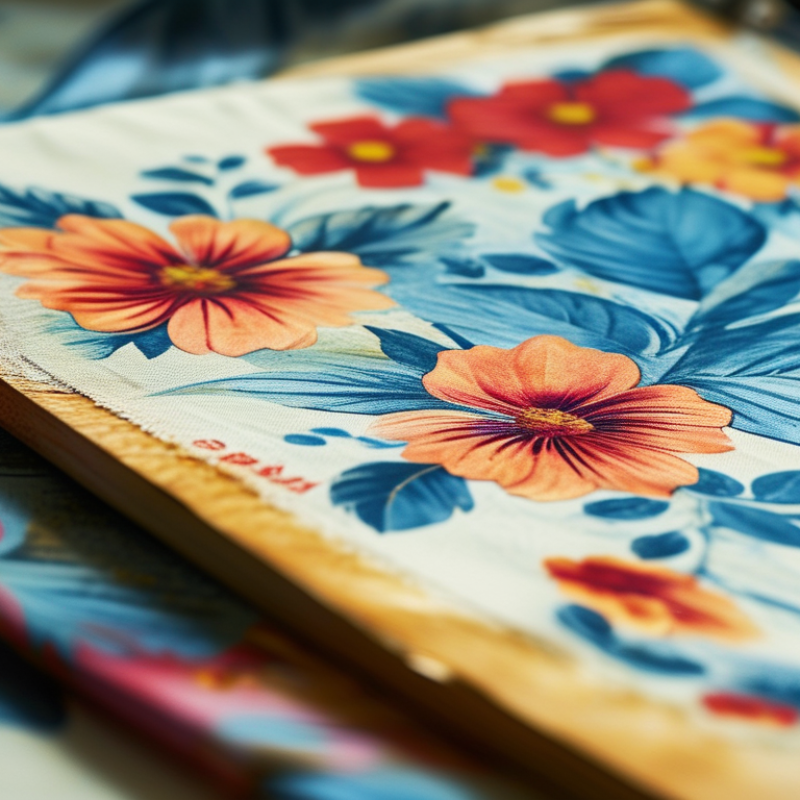
DTG printing, or direct-to-garment printing, is a method that prints designs directly onto textiles. This technology uses inkjet technology to apply water-based inks onto fabrics. The process begins with preparing the garment and ensuring the surface is clean. The printer then applies the design layer by layer, resulting in high-resolution prints. This method is ideal for small businesses due to its ability to produce detailed and vibrant images on demand.
Industry reports indicate that DTG printing has grown significantly. The market size for DTG printing is projected to reach $5 billion by 2026, reflecting a compound annual growth rate of 25%. This growth is driven by the rise in custom apparel and personalized products. However, potential challenges exist. Equipment costs can be substantial for small businesses. Regular maintenance and ink quality are also vital for consistent results. Some users report difficulties when printing on different fabric types, as the ink absorption varies.
Moreover, while DTG offers quick turnaround times for small runs, it may not always be cost-effective for bulk orders. Businesses should weigh the benefits of unique designs and short production runs against the potential limitations of larger print volumes. Understanding these factors is crucial for making informed decisions in 2026 and beyond.
Advantages of DTG Printing for Small Businesses
Direct-to-Garment (DTG) printing has gained traction among small businesses for its unique advantages. One of the most notable benefits is customization. A 2023 report from Smithers reveals that the global DTG market is projected to grow by 25% annually, driven by demand for personalized apparel. Small businesses can cater to specific customer preferences, allowing them to stand out in a competitive landscape.
Another advantage is low upfront costs. DTG printing eliminates the need for extensive setup, making it easier for startups to enter the apparel market. According to a 2022 study by the Freedonia Group, businesses reported a 30% reduction in initial investment for DTG compared to traditional screen printing. This lower barrier allows more entrepreneurs to test ideas without severe financial risks.
Efficiency also plays a role. DTG can produce high-quality prints quickly. However, it's essential to acknowledge that some challenges exist. Not all fabrics are compatible, and there may be a learning curve. Reports indicate that 20% of businesses faced quality control issues in their first year. Proper training and quality checks can mitigate these concerns, ensuring businesses deliver consistent products.
Potential Challenges and Limitations of DTG Printing
Direct-to-Garment (DTG) printing offers unique opportunities for small businesses, yet it comes with notable challenges. One significant issue is the initial investment. A quality DTG printer can cost between $15,000 and $30,000. This financial barrier may deter many small entrepreneurs. Operating costs also accumulate, as maintenance and ink can be expensive. Reports suggest that ink costs can reach $0.50 to $1.00 per garment, depending on the design complexity.
Another challenge is the need for specialized knowledge. Successful DTG printing requires technical skill, from understanding color profiles to managing pre-treatment processes. These skills are often not intuitive for new business owners. A study from the Specialty Graphic Imaging Association indicates that 47% of business owners struggle with equipment operation and maintenance. This knowledge gap can lead to errors and waste, further increasing costs.
Additionally, quality control remains a concern. DTG printing can produce vibrant colors, but results may vary based on fabric type and pre-treatment procedures. Inconsistent quality can harm a brand's reputation. According to industry experts, around 30% of DTG prints may not meet expected standards. This inconsistency necessitates rigorous testing and process adjustments, consuming time and resources. Small businesses must weigh these potential complications when considering DTG printing as a viable option.
Cost Analysis: Is DTG Printing Economically Viable?
Direct-to-Garment (DTG) printing has gained attention among small businesses. It offers customization and quick turnaround. However, the question arises: is it worth the investment in 2026? Understanding the cost dynamics is essential for any small enterprise.
Initial costs for DTG printing equipment can be daunting. A quality printer might require a significant upfront investment. Maintenance expenses can accumulate over time. Moreover, the cost of ink and specialty garments should not be overlooked. Small businesses often face tight budgets, and unexpected costs can strain finances. It’s important to consider these factors carefully and plan for them.
Profit margins in DTG printing can vary significantly. High-quality prints might attract premium pricing, but competition is fierce. Some businesses may struggle to recoup their initial costs. Analyzing market demand and pricing strategies is crucial. Additionally, ongoing training and skill enhancement are required. This can be a hidden cost for business owners. Reflecting on these elements can help avoid financial pitfalls.
Future Trends in DTG Printing for Small Businesses in 2026
In 2026, DTG printing continues to evolve, making it more feasible for small businesses. Technology has improved, reducing costs and increasing print quality. Print-on-demand models gain traction, allowing businesses to lower inventory risks. Many small retailers find success by offering customized apparel through this method.
As trends shift, sustainability becomes paramount. Eco-friendly inks and processes are now commonplace. Small businesses can attract eco-conscious consumers by adopting these practices. However, challenges remain. The initial investment can still be high, creating hurdles for some startups. Additionally, the market is becoming saturated, leading to fierce competition.
Balancing innovation with practicality is crucial. Small businesses must stay informed about technological advances while understanding consumer needs. Pricing strategies will need reassessment as the market evolves. Without adaptability, even the best technologies may not yield desired results. Reflecting on these aspects can help businesses navigate the dynamic landscape of DTG printing.
FAQS
: The initial investment in quality printers can be between $15,000 and $30,000, which is significant.
Maintenance and ink costs can accumulate quickly, reaching up to $1.00 per garment depending on design.
Understanding color profiles and pre-treatment processes is crucial but often difficult for new owners to grasp.
Around 30% of prints may not meet quality standards, affecting brand reputation and requiring rigorous testing.
Fierce competition may make it hard for some businesses to recoup initial costs and maintain profitable pricing.
Print-on-demand models are gaining popularity, reducing inventory risks and allowing for customized apparel offerings.
Eco-friendly inks and processes can attract consumers, but initial investment can be a challenge for new businesses.
Continuous training helps owners manage equipment better and avoid costly errors associated with the learning curve.
Innovation and practicality must be balanced to adapt to market changes and consumer needs effectively.
Carefully planning and assessing all potential costs, including hidden ones, can help avoid financial strain.
Conclusion
In the article "Is DTG Printing Worth It for Small Businesses in 2026?", the concept and functioning of Direct-to-Garment (DTG) printing are explored, shedding light on its unique capabilities. The advantages of DTG printing for small businesses include its ability to produce high-quality, vibrant prints on-demand and with minimal setup, which can enhance product offerings without significant upfront investment.
However, potential challenges such as the cost of equipment, maintenance, and the time required for the printing process are discussed, prompting a cost analysis to determine its economic viability. As the industry evolves, future trends suggest increasing advancements in technology that could make DTG printing more accessible and efficient. Ultimately, small business owners are encouraged to weigh the benefits against the limitations to answer the critical question: is DTG printing worth it for small businesses?

 Colvanta Print