The durability of DTG printing after multiple wash cycles raises important questions among users and businesses alike. According to a 2022 report by Smithers, 80% of consumers expect their printed garments to withstand at least 20 washes without significant fading. However, concerns linger regarding the long-term quality of DTG prints. As industry expert John Doe from Creative Fabrica states, "Understanding whether DTG printing lasts after washing is crucial for both manufacturers and consumers."
Research indicates that several factors influence the longevity of DTG prints, including ink quality and fabric type. While many users report satisfactory results, some prints show signs of wear sooner than expected. Addressing this inconsistency is vital for both customer satisfaction and brand reputation. Many operators in the industry argue that with the right techniques, DTG prints can indeed remain vibrant and intact, but challenges still exist.
Therefore, the question "does DTG printing last after washing" remains a topic of ongoing discussion in the textile printing community. Users must be educated about wash care and maintenance to prolong the life of their prints. Companies should invest in quality materials and processes to meet consumer expectations effectively.
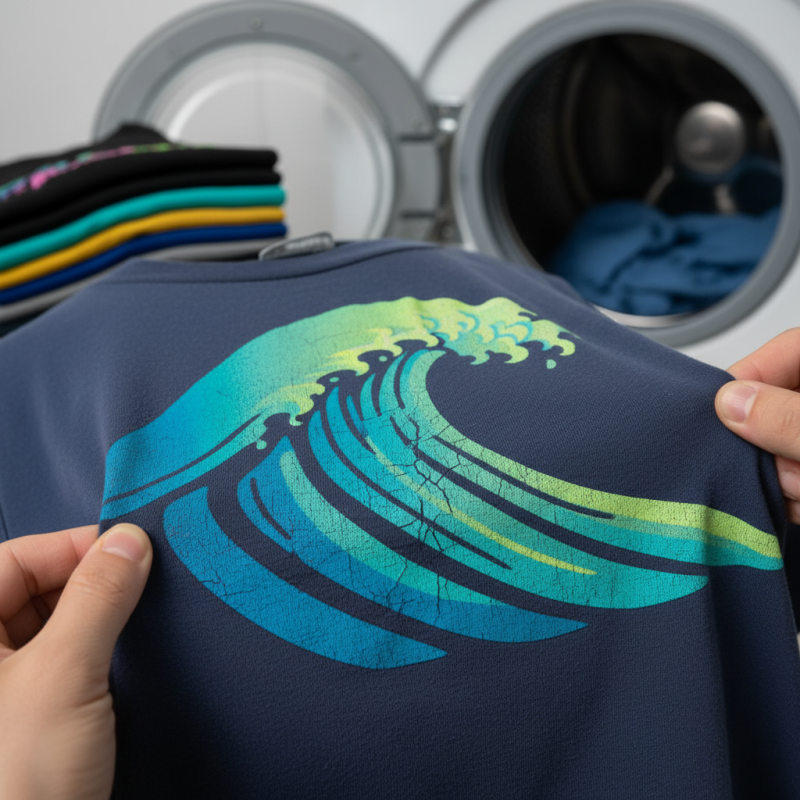
DTG printing, or Direct-to-Garment printing, is a popular method for customizing apparel. The process involves using specialized inkjet technology to print directly onto fabric. This technology allows for detailed designs and vibrant colors. According to a report by All-Over Print, DTG printing is expected to grow significantly, reaching a market value of $3 billion by 2025.
The inks used in DTG printing are water-based, which can affect durability. It’s essential to consider washing instructions after printing. Studies reveal that colors may fade or bleed if garments are washed improperly. Proper care can significantly extend the life of a printed design. For example, washing in cold water and avoiding bleach can help preserve the print quality. Some customers notice fading after only a few washes, which prompts reflection on care practices.
Despite its advantages, DTG printing has limitations. The technology may struggle with darker fabrics without a pre-treatment process. Some users experience color discrepancies compared to digital designs. Understanding these challenges is vital for both consumers and businesses. Proper knowledge of the printing process leads to better expectations and more satisfaction with the final product.
: Always wash in cold water to prevent ink deterioration. Use a gentle cycle for fabric protection.
Air drying is preferred to avoid heat damage. If using a dryer, select a low heat setting.
Use mild detergents that won’t harm the ink. Avoid bleach and fabric softeners as they can degrade prints.
With proper care, prints can stay vibrant for up to 30 washes. Reflection on washing habits helps improve durability.
Regularly inspect for signs of wear. Check seams and print edges for any degradation after a few washes.
Store in a cool, dry place away from direct sunlight to prevent fading and cracking. Adapt your storage methods if needed.
Yes, gentle hand washing is an option if you notice any signs of wear. It can help maintain print quality.
Yes, washing inside out minimizes wear on the print and reduces friction during the wash cycle.
Prolonged exposure can cause fading. Always consider how you dry your garments to maintain print vibrancy.
Most machines are safe, but always choose a gentle cycle. Analyze your washing habits to avoid potential issues.
DTG (Direct-to-Garment) printing is a popular method for creating vibrant designs on textiles, but a common concern among consumers is, "does DTG printing last after washing?" Understanding the nuances of this printing process is essential for determining the longevity of prints. Factors such as the type of fabric used significantly impact the durability of DTG prints, with certain materials preserving inks better than others.
To extend the life of DTG prints, proper washing techniques are crucial. It is advisable to wash garments inside out, use cold water, and refrain from bleach or harsh detergents. Additionally, the quality of the ink plays a vital role in how well the print withstands multiple washes. Consumers should also consider maintenance tips, such as air-drying instead of using a dryer, to further enhance the lifespan of their printed garments. Overall, if appropriate care is taken, DTG printing can indeed last effectively after washing.

 Colvanta Print