DTG printing, or Direct-to-Garment printing, has gained traction in the textile industry. This method offers unique advantages over traditional printing techniques. It allows for high-quality, detailed designs to be printed directly onto fabric.
When exploring what is DTG printing and how is it different from other methods, it's essential to focus on its capabilities. DTG printing can handle complex images with vivid colors. This contrasts sharply with screen printing, which often struggles with intricate patterns. However, while DTG offers many benefits, it also has limitations, such as slower production speeds for bulk orders.
Understanding these aspects helps businesses make informed decisions. Knowing when to choose DTG printing can enhance product offerings. It brings creativity but also requires careful consideration of costs and time. With its growing popularity, DTG printing warrants attention as a viable option in today’s competitive market.
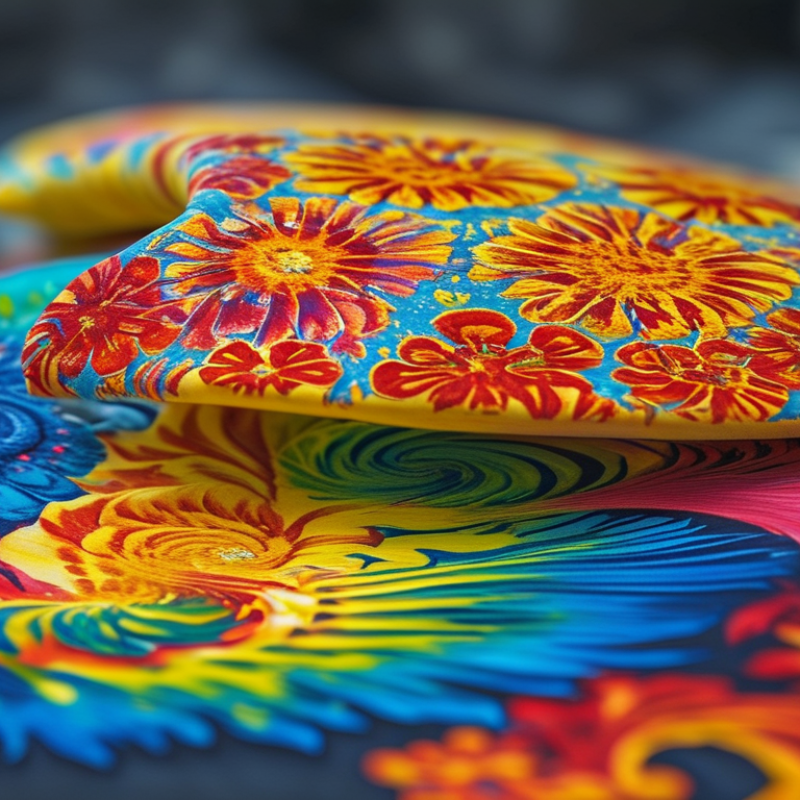
What Is Direct-to-Garment (DTG) Printing?
Direct-to-Garment (DTG) printing is a modern garment printing method. It uses specialized inkjet technology to apply designs directly onto fabric. This technique allows for high-resolution images and vibrant colors. Because of this, DTG is popular for custom apparel and personalized clothing.
The process begins with preparing the digital design. Then, pretreatment is applied to the garment, which helps the ink adhere better. After that, the garment goes into the printer, where the design is printed layer by layer. This method is ideal for small batches and intricate designs. However, it may not be as cost-effective for larger runs.
DTG printing stands out due to its ability to create detailed prints quickly. It works best on cotton fabrics. Yet, challenges exist. Sometimes, color accuracy can vary between prints. Regular maintenance of the printers is crucial to avoid quality issues. Additionally, the pretreatment process can be tricky for beginners. Understanding these complexities is essential to achieving the best results.
The History and Evolution of DTG Printing
DTG printing, or Direct-to-Garment printing, has evolved significantly since its inception in the early 1990s. Initially, the technology was limited and produced low-quality prints. Early machines struggled with ink adhesion and often washed out after a few uses. However, the demand for unique, custom designs paved the way for advancements. By the mid-2000s, manufacturers began improving print heads and ink formulas, addressing earlier shortcomings.
A report by
Smithers Pira indicates that the
DTG printing market is projected to reach
$1.5 billion by 2024, reflecting a compound annual growth rate (CAGR) of over
20%. The rise of online custom apparel stores has fueled this growth. Consumers now prefer personalized items over mass-produced clothing. Furthermore, technological developments have made DTG printing accessible to smaller businesses, allowing them to compete in the market.
Despite these advancements,
challenges remain. The inconsistency in print quality across different fabrics still needs attention. Research shows that
45% of suppliers report obstacles in production speed and ink costs. As industry professionals, we must recognize these limitations. Focusing on quality control and ink management could help mitigate these issues. Continuous innovation is essential for this
dynamic field. The landscape of DTG printing is transforming, but there is still room for improvement.
How DTG Printing Works: A Step-by-Step Process
DTG printing, or direct-to-garment printing, is an innovative technique that allows for vibrant designs on various fabrics. Understanding how DTG printing works requires a closer look at its step-by-step process. Initially, the artwork is prepared digitally and edited for color accuracy and detail. This stage is critical for ensuring the final product meets the designer's expectations.
Once the design is ready, the garment is prepped. It must be laid flat and, often, pre-treated with a solution to help the ink bond properly. A print head then applies the ink directly onto the fabric in a precise manner, layer by layer. It’s crucial to monitor the machine's settings carefully. Even small errors can lead to misalignments or color discrepancies.
Finally, the printed garment undergoes a curing process. This step sets the ink, ensuring durability and washability. However, it can be easy to overlook the importance of proper curing. If done incorrectly, the print may deteriorate faster than expected. Reflection on each aspect of this process can improve the quality of future prints, making attentive monitoring essential for success.
What Is DTG Printing and How Does It Stand Out? - How DTG Printing Works: A Step-by-Step Process
| Aspect |
Description |
| Process |
Direct-to-Garment (DTG) printing involves printing digital designs directly onto textiles using inkjet technology. |
| Materials |
Typically used on cotton or cotton-blend fabrics to ensure optimal ink absorption. |
| Advantages |
High-quality prints with intricate designs, cost-effective for small runs, and quick turnaround times. |
| Limitations |
Less effective on dark fabrics without a white base and slower than screen printing for large orders. |
| Applications |
Ideal for custom t-shirts, promotional items, and one-off designs. |
| Preparation Steps |
Design creation, fabric pre-treatment, print setup, and printing. |
| Post-Printing Process |
Curing the prints, washing, and quality control before shipment. |
Advantages of DTG Printing Over Traditional Methods
DTG printing, or direct-to-garment printing, has gained popularity for good reason. Compared to traditional methods, it offers unique advantages. One significant benefit is the ability to create intricate designs quickly. This method allows for high-resolution prints that capture every detail and color gradient. It’s perfect for designs which require a vivid representation.
Another key advantage is the versatility of DTG printing. It can be used on various fabrics. From cotton to blends, DTG adapts easily. The process reduces waste too. Designers can print single pieces without overproducing. However, DTG does have limitations. It may not be the best choice for larger bulk orders. Sometimes, the ink can fade slightly after multiple washes.
The speed of DTG printing is impressive. Orders that once took weeks can now be completed in days. This rapid turnaround appeals to both businesses and consumers. Yet, quality control remains essential. Some prints may require adjustments to achieve the desired effect. Still, the capacity to create personalized designs makes DTG printing stand out in a saturated market.
Applications and Use Cases for DTG Printing in Fashion
Direct-to-Garment (DTG) printing is gaining traction in the fashion industry. Its ability to create vibrant, detailed designs right on fabric is remarkable. This method allows for rapid production and customization, making it ideal for independent designers and small brands.
DTG is particularly useful for producing unique t-shirts and custom apparel. Fashion designers can experiment with intricate artwork without worrying about large inventory. This flexibility promotes creativity. However, there’s often a steep learning curve. The quality might vary between printers, necessitating careful selection and testing.
Tips: Always test different fabrics. Some materials work better with DTG than others. Also, consider the printer's capabilities; not all printers handle large designs well. Experiment with colors and techniques to perfect your process.
The use cases don’t stop at casual wear. DTG also shines in creating promotional items for events. Brands can produce limited runs for festivals, trade shows, or special occasions. Yet, some designers hesitate, fearing high costs for small batches. It's essential to weigh the benefits of DTG against the initial investment. Being mindful of these considerations will lead to better decision-making in your fashion venture.
FAQS
: DTG stands for direct-to-garment printing. It prints designs directly onto fabric.
It offers intricate designs quickly and captures detail. It also reduces waste and supports single-piece printing.
Yes, DTG can print on many fabric types, including cotton and blends.
Not always. DTG is better suited for smaller orders or unique items.
DTG can complete orders in days, significantly faster than traditional methods.
Sometimes, the ink may fade after multiple washes. Quality control is important.
Yes, it allows for rapid production and customization, which is great for small brands.
The printer's capabilities and fabric compatibility are crucial for quality prints.
Definitely. It works well for limited runs, such as shirts for festivals or events.
There may be a steep learning curve and varying print quality between machines.
Conclusion
Direct-to-Garment (DTG) printing is a modern technique that allows for direct application of ink onto textiles, primarily garments. This technology has evolved significantly over the years, shifting from traditional screen printing methods to a more efficient, digital approach. DTG printing operates through a step-by-step process where designs are printed directly on fabric using specialized printers, which enables remarkably intricate and colorful prints.
What is DTG printing and how is it different from conventional methods? Unlike traditional printing techniques that often require multiple screens and setup time, DTG printing eliminates these steps, allowing for quick and flexible production, especially advantageous for custom designs and short runs. The benefits of DTG printing extend to various applications in the fashion industry, from personalized apparel to limited edition runs, making it a preferred choice for modern day printing needs.

 Colvanta Print