Is DTF Printing a Good Choice for Mass Production?

Time:2026-06-13 Author:Liam
0%

In the world of custom printing, DTF (Direct-to-Film) printing has gained attention. Many entrepreneurs and businesses wonder, “is dtf printing good for mass production?” This question arises from the need for efficiency and quality in today’s competitive market. DTF printing offers a unique blend of vibrant colors and versatility, making it appealing for various applications.

Yet, it is important to evaluate its effectiveness for mass production. While DTF can produce stunning results, production speed may vary depending on equipment and design complexity. Businesses must weigh the benefits against potential limitations. For instance, the initial setup cost for DTF printers might be high, impacting smaller operations.

Moreover, consistency is key in mass production. DTF printing can deliver quality prints, but it requires careful monitoring to maintain standards over large volumes. As with any printing method, the learning curve and ongoing maintenance can also present challenges. Ultimately, businesses should consider these elements when determining if DTF printing fits their mass production needs. Evaluating both advantages and challenges can lead to better decision-making in a fast-paced industry.
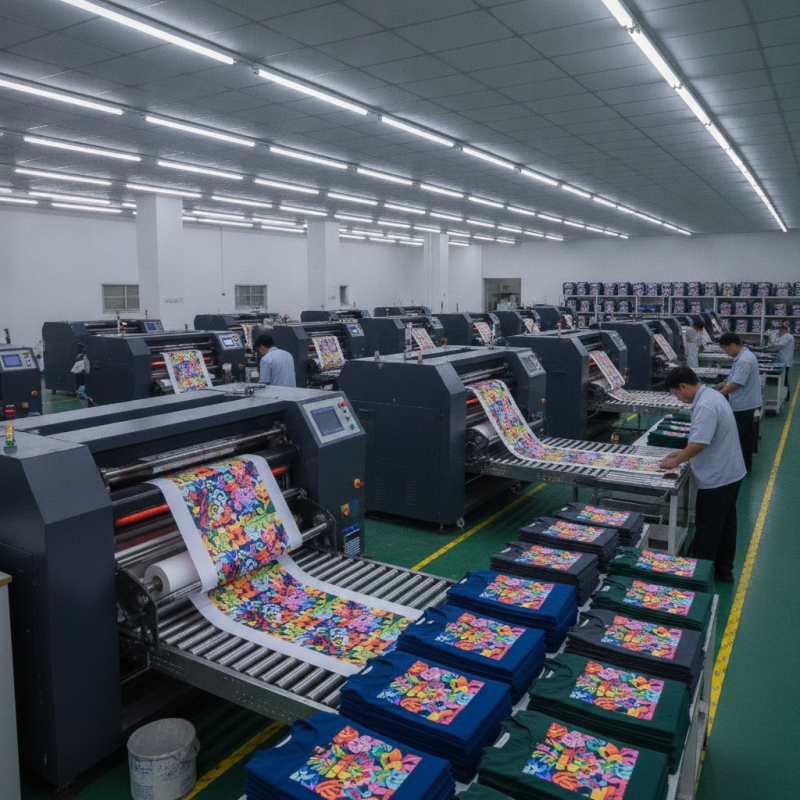
Is DTF Printing a Good Choice for Mass Production?

Overview of DTF Printing Technology

Direct-to-Film (DTF) printing is a modern method gaining traction. It transfers designs onto fabrics using a special film. This technology involves printing the design on a PET film, which is then transferred to the fabric with an adhesive. The result is vibrant colors, fine details, and excellent durability.

DTF printing stands out for its versatility. It works well on various fabrics, including cotton and polyester blends. Many companies appreciate its ability to produce custom designs at a reasonable cost. However, ensuring the right equipment and materials is crucial. Inconsistent printing quality can lead to dissatisfaction among customers.

Another aspect to consider is the curing process. Proper curing affects the longevity of prints. If done incorrectly, prints may crack or fade over time. While DTF offers many advantages, potential users should evaluate their capabilities and needs carefully. Understanding these factors is essential for successful mass production.

Advantages of DTF Printing for Mass Production

DTF printing is gaining traction in the mass production landscape. It offers notable advantages that can streamline the process. One of its key benefits is the versatility in design. DTF allows for the printing of intricate designs with vibrant colors on various fabrics. This capability can greatly enhance product appeal and attract a wider customer base.

Additionally, DTF is relatively fast and cost-effective. It enables quicker production times, which is crucial for meeting high demand. The process uses less water than traditional methods, making it an eco-friendlier option. Businesses can also save on materials since the DTF transfer film can be stored for future use.

However, not everything is perfect with DTF printing. Some users report challenges with adhesion and durability over time. It requires specific heat settings and handling techniques to achieve optimal results. Experimentation may be necessary to refine processes and maintain quality standards. This reflects the need for ongoing evaluation in operational practices. By addressing these issues, businesses can better harness DTF's strengths for mass production.

Advantages of DTF Printing for Mass Production

Challenges and Limitations of DTF Printing

Direct-to-Film (DTF) printing has gained popularity in recent years for its vibrant colors and flexibility. However, it comes with challenges that can limit its effectiveness in mass production. One primary concern is the durability of prints. While DTF offers good initial results, the longevity of prints can vary depending on the materials used. In high-volume settings, this inconsistency can lead to costly decision-making.

Another limitation is the complexity of the printing process. DTF requires specific equipment and skilled operators to ensure quality. This may add time and effort, which could hinder efficiency. As a result, businesses may struggle to meet tight deadlines if there are delays in the production process.

Tips: Test print samples before diving into full production. This helps identify potential issues and ensures the quality meets your standards. Additionally, consider the long-term implications of using DTF. Is the initial investment worth the potential drawbacks? Reflect on the areas where this technology may not fit your production needs perfectly. Balancing quality and cost-effectiveness is essential in deciding if DTF is the right choice for your projects.

Comparative Analysis with Other Printing Methods

DTF printing, or Direct to Film printing, has gained attention in the textile industry. Its ability to produce vibrant colors and intricate designs makes it appealing for mass production. However, it is crucial to analyze how it compares to other printing methods like screen printing and DTG (Direct to Garment).

Screen printing is known for its efficiency in large runs. It excels in producing consistent quality but comes with high setup costs. This method can limit design complexity. DTF printing offers more flexibility. It can handle detailed graphics and a variety of fabrics easily. In contrast, DTG printing also supports detailed designs but may not be as cost-effective for larger volumes. Each method has its strengths and weaknesses, depending on the project needs.

DTF printing may struggle with durability compared to screen printing. It’s essential to examine the longevity of prints under various conditions. Users have reported varied experiences with wash tests. Some prints faded faster than expected. Understanding these nuances can help businesses make informed choices. Balancing quality, cost, and production speed is critical for successful mass production in today’s competitive market.

Cost-Effectiveness of DTF Printing in Large-Scale Operations

DTF (Direct-to-Film) printing has gained traction in the textile industry for mass production. One key reason is its cost-effectiveness in large-scale operations. According to industry reports, DTF printing can reduce production costs by up to 30% compared to traditional methods like screen printing. This reduction stems from lower ink consumption and less waste during the printing process. For businesses looking at high-volume runs, these savings can significantly enhance profitability.

Moreover, DTF printing offers versatility. It can easily print on various materials, accommodating diverse fabric types without additional processes. A study showed that manufacturers using DTF could expand their product lines more rapidly, meeting market demands swiftly. However, companies should consider initial equipment costs and long-term maintenance. While DTF printers can be pricey upfront, their longevity and efficiency often balance this investment over time. Still, not all printers provide consistent quality, necessitating careful selection.

In practical terms, businesses must evaluate their specific needs. Not every operation will benefit equally from DTF technology. For example, complex designs might still be better suited to other techniques, despite DTF's flexibility. Understanding these nuances is essential for truly leveraging DTF printing's advantages while navigating its limitations.

FAQS

: What is a primary concern regarding DTF printing durability?

: The longevity of prints can vary based on the materials used, affecting mass production.

How does the complexity of DTF printing impact efficiency?

DTF requires specific equipment and skilled operators, which can delay production and deadlines.

Why is testing print samples recommended before full production?

Testing helps identify potential issues and ensures quality meets your standards before committing.

What is one cost benefit of DTF printing in large-scale operations?

DTF printing can reduce production costs by up to 30% compared to traditional methods.

How does DTF printing compare to screen printing in terms of design complexity?

DTF offers more flexibility for detailed graphics, whereas screen printing has limitations on complexity.

What should companies consider regarding equipment costs for DTF printers?

Initial costs can be high, but longevity and efficiency may justify the investment over time.

Are the results of DTF printing consistent across all printers?

Not all DTF printers provide consistent quality, making careful selection crucial for success.

Is DTF printing suitable for all operations?

No, operations with complex designs may still benefit from other printing techniques.

How can wash tests influence the choice of printing method?

Users have reported varied results in wash tests, indicating that durability may not meet expectations.

What balancing act is essential when choosing DTF printing?

Balancing quality, cost, and production speed is critical for successful mass production choices.

Conclusion

DTF (Direct to Film) printing has emerged as a viable printing technology for mass production, offering several advantages that make it attractive for large-scale operations. One major benefit is its ability to produce high-quality prints on a variety of fabrics quickly, reducing production times significantly. Additionally, DTF printing allows for vibrant colors and detail, making it suitable for complex designs. However, challenges such as the need for specialized equipment and potential issues with ink durability must be considered.

When comparing DTF printing to other methods, its cost-effectiveness is a notable factor, particularly in large-scale production where volume discounts can lead to lower costs per item. Thus, when evaluating whether "is DTF printing good for mass production", it becomes clear that while it has its limitations, its advantages and cost benefits position it as a strong contender for high-volume printing needs.

Liam

Liam

Liam is a dedicated marketing professional with a profound expertise in the industry, where he excels at highlighting the unique advantages of our core products. With a keen understanding of market trends and consumer needs, Liam frequently updates our company’s professional blog, providing......