When considering the question, "how much does DTF printing cost," businesses often feel overwhelmed by the options. According to Mike Johnson, a DTF printing expert, "Understanding costs is crucial for making informed decisions." He emphasizes the impact of quality and quantity on pricing.
The cost of DTF printing varies greatly. It depends on several factors like equipment, ink quality, and design complexity. Small businesses might face a higher cost per item, while larger orders can lower expenses. Many new entrants in the industry underestimate these costs, leading to unrealistic expectations.
Reflecting on the financial aspect, it's essential to analyze each component. Consider maintenance, labor, and consumables alongside the initial investment. Many businesses need help balancing quality and cost. Some might cut corners, but this can compromise product integrity. Exploring how much DTF printing costs can pave the way for sustainable success in your business.
Understanding DTF Printing: A Cost Breakdown for Businesses
Understanding DTF printing is essential for businesses aiming to enter the custom apparel market. DTF, or Direct-to-Film printing, allows high-quality designs on various fabrics. According to a recent industry report, the cost of DTF printing can range from $5 to $10 per print, depending on the complexity and size of the design.
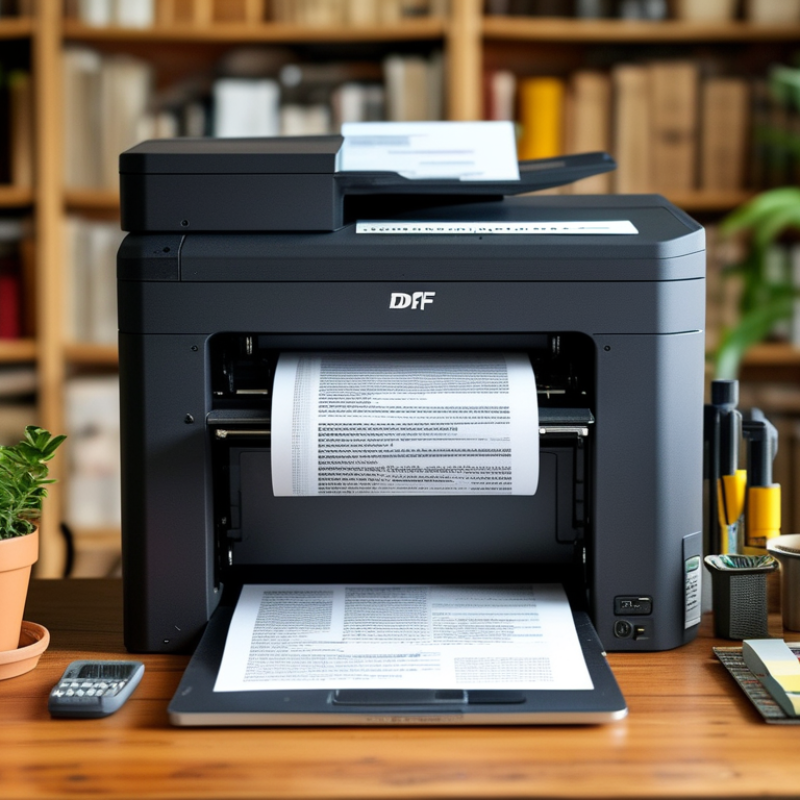
Investing in DTF printing equipment involves initial expenses. A decent printer costs between $8,000 and $15,000. Additionally, film and ink costs vary, averaging around $1 to $3 per print. These expenses can add up quickly, but the return on investment in custom designs can be substantial. A well-executed print can sell for over $25, yielding a significant profit margin.
Tip: Test different designs to maximize your investment. Start small with various prints to gauge market preferences. Keep an eye on ink usage, as inefficient printing can inflate costs. Always calculate the break-even point for each design to ensure profitability.
Factors Influencing DTF Printing Costs for Your Business Needs
When considering DTF (Direct-to-Film) printing for your business, several key factors influence costs. Firstly, the type of materials chosen can greatly affect expenses. High-quality films and inks may cost more but deliver superior results. Referring to a 2022 industry report, businesses using high-end materials report cost increases of up to 30%.
Production volumes also play a role in cost calculation. Bulk orders can drastically reduce the price per unit. The same report highlights that companies ordering more than 500 prints can experience a decrease in unit costs by 15-25%. This volume discount can be a game-changer for businesses anticipating high demand.
Lastly, labor and setup expenses cannot be overlooked. Depending on the complexity of the design and the number of colors used, labor costs can add significantly to the bottom line. A business may need to evaluate whether hiring in-house staff or outsourcing is more efficient. This decision impacts overall cost and quality, highlighting the importance of finding balance. Without reflection on these factors, unexpected costs may arise during the printing process.
Comparative Analysis: DTF Printing vs. Other Printing Methods
DTF (Direct to Film) printing has gained attention recently. It offers a unique approach compared to traditional methods. When comparing DTF to screen printing, for example, the differences jump out. Screen printing requires setup costs that can be high. It is not cost-effective for small orders.
DTF printing, however, allows for smaller runs without losing quality. This flexibility appeals to many businesses.
Another alternative is DTG (Direct to Garment) printing. DTG produces vibrant prints with rich detail. But it often takes longer to set up, which can affect turnaround times.
DTF prints can be prepared quickly. This can be crucial for businesses needing fast deliveries. However, understanding the cost per print can be complex. Equipment and material costs add up.
Not everything about DTF is perfect. There are challenges in maintaining print quality over time. Businesses should invest time in research and testing. Each printing method has its pros and cons.
Weighing these carefully can lead to better decision-making. Ultimately, finding the right printing approach depends on specific needs.
Estimating Minimum and Maximum Costs for DTF Printing Services
When considering DTF printing, understanding the costs is vital. This printing method has gained popularity in recent years for its excellent quality and versatility. The costs can range significantly depending on various factors. Generally, the minimum cost can start around $1 per print. However, more complex designs and larger quantities can push this price higher.
Materials and equipment contribute substantially to the overall expense. High-quality films, inks, and glue are essential. A small business owner might spend several thousand dollars on a reliable printer. Yet, outsourcing may reduce initial expenses. Comparing local and online options is wise.
Don't forget to factor in the hidden costs. Shipping, labor, and maintenance all add up. Businesses should also consider revisions and potential reprints. Mistakes happen, and they can be costly. Evaluating these factors helps in budgeting appropriately for DTF printing needs. Always aim to balance quality with cost-efficiency in your printing strategy.
Budgeting Tips for Integrating DTF Printing into Your Business Model
When integrating DTF printing into your business model, budgeting effectively is crucial. The costs can vary based on many factors like equipment, materials, and labor. It's important to create a detailed budget that reflects these expenses.
Consider these budgeting tips. Start by researching the costs of DTF printers. There are various options, from entry-level to advanced machines. Include supplies like transfer films and inks in your calculations. Allocate funds for maintenance too. This can prevent unexpected expenses.
Analyze your projected volume of work. Higher usage might justify investing in premium equipment. However, it’s wise to reflect on your production needs. Sometimes, starting with a basic setup can allow you to learn and adapt. Don't underestimate the cost of employee training either. Proper skills are essential for maximizing the potential of DTF printing.
How Much Does DTF Printing Cost for Your Business Needs? - Budgeting Tips for Integrating DTF Printing into Your Business Model
| Item |
Description |
Estimated Cost ($) |
| DTF Printer |
Cost of a DTF printer suitable for small to medium businesses |
$7,000 - $15,000 |
| Transfer Film |
Specialized film required for DTF printing, per roll |
$100 - $200 |
| Inks |
CMYK and white ink for DTF printers, per liter |
$100 - $150 |
| Heat Press Machine |
Required for transferring prints onto garments |
$1,000 - $3,000 |
| Maintenance Costs |
Annual maintenance and repairs for printers |
$500 - $1,200 |
| Labor Costs |
Labor for operating printers and heat presses |
$15 - $25/hour |
| Artwork Design |
Cost for designing custom graphics for printing |
$50 - $200 |
Conclusion
DTF (Direct to Film) printing has emerged as a viable option for businesses seeking quality and versatility in their printing needs. To understand how much does DTF printing cost, it is essential to consider the various factors influencing these costs, such as material quality, printing technology, and production scale. A detailed cost breakdown helps businesses estimate both minimum and maximum expenses associated with DTF services.
When comparing DTF printing to other methods, the advantages in terms of durability and color vibrancy often justify the investment. Budgeting tips are crucial for integrating DTF printing into business models, ensuring that companies can effectively manage costs while maximizing their return on investment. By carefully evaluating these elements, businesses can make informed decisions about adopting DTF printing to meet their specific needs.

 Colvanta Print