As the world of custom apparel continues to evolve, many are asking, "What is DTF printing and how does it work?" This innovative method has revolutionized textile printing, offering vibrant colors and detailed designs. Expert Michael Johnson, a leader in printing technologies, states, “DTF printing combines the best of digital and traditional methods.” His words capture the essence of how DTF stands out in the crowded printing industry.
DTF, or Direct to Film printing, involves a unique process. It transfers designs onto a special film, which is then applied to fabrics using heat and pressure. This approach promises durability and flexibility, catering to various fabric types. However, some challenges remain. For instance, mastering the technique takes time and practice. The printer settings must be carefully adjusted to achieve optimal results.
Understanding "what is DTF printing and how does it work" opens doors to creative possibilities. Yet, as with any technology, continuous learning and adaptation are essential. There are moments of trial and error, but the reward can be impressive. The potential for personalization in fashion is immense, pushing boundaries in the garment industry.
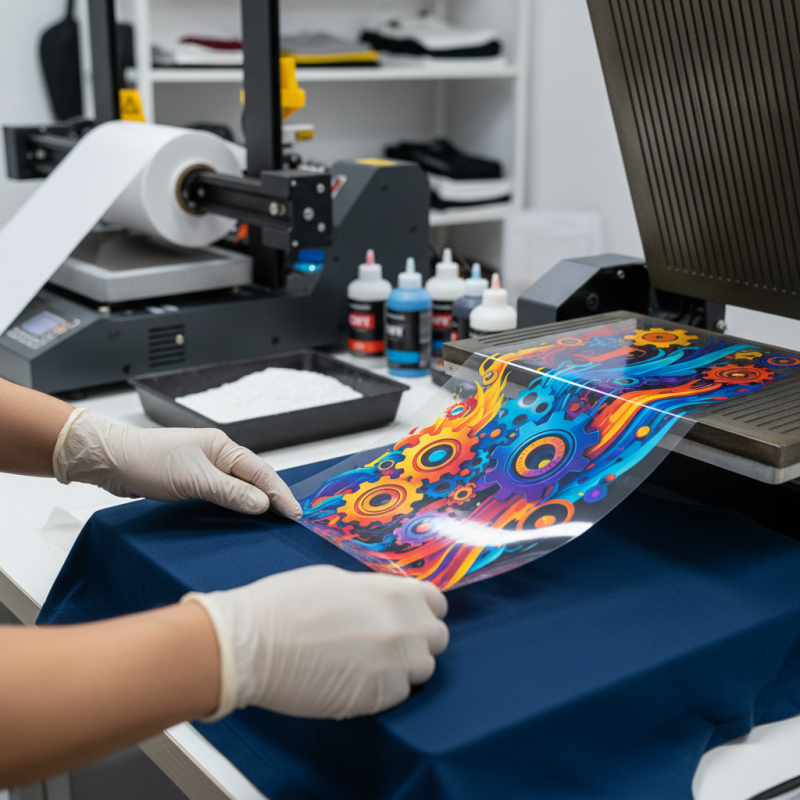
What is DTF Printing: A Comprehensive Overview
DTF printing, or Direct to Film printing, is revolutionizing the textile printing industry. This technique allows designers to print vibrant graphics on special transfer film. After printing, the design is heat-pressed onto garments. According to industry reports, DTF printing offers flexibility and speed, appealing to both small businesses and large manufacturers.
The process allows for intricate designs that can include multiple colors and gradients. A study by Smithers Pira shows that the textile printing market is expected to grow to over $2 billion in the next five years. However, not all DTF printers are created equal. Some may struggle with print quality or adhesion, leading to frustrating results. Businesses must carefully select equipment and materials to ensure success.
DTF’s ability to print on various fabrics makes it versatile. Yet, this technology isn't without challenges. Issues like ink compatibility often arise. These can lead to underwhelming output if not addressed. As DTF printing continues to evolve, ongoing research into material improvements will be crucial for maximizing its potential.
The Process of DTF Printing: Step-by-Step Breakdown
DTF printing, or Direct-to-Film printing, is an innovative method for transferring designs onto various fabrics. The process begins with printing an image onto a special film using a printer equipped with high-quality inks. These inks are often vibrant and provide excellent detail, enhancing the final product's appearance. It's essential to select the right film, as not all are compatible with DTF printing techniques.
Once the design is printed, the film is coated with a heat-activated adhesive powder. This step requires precision and consistency; too much adhesive can lead to clumping, while too little may result in poor adhesion. After applying the powder, the film is heated to melt the adhesive, creating a strong bond. This part of the process can be tricky. It's vital to monitor temperatures closely to avoid damage.
The final phase involves transferring the design onto the fabric. A heat press applies pressure and heat, ensuring the design adheres correctly. Proper timing is crucial; even a few seconds can affect the outcome negatively. While DTF printing offers many advantages, such as versatility and durability, it requires practice. Experimenting with different fabrics and adjustments can lead to better results but may also cause frustration. Each print is a learning opportunity.
Key Advantages of DTF Printing Compared to Other Methods
DTF printing, or Direct to Film printing, has gained popularity for its unique advantages. One key benefit is its ability to print on a variety of fabrics. It works well with cotton, polyester, and blends. This flexibility allows for diverse applications, from custom apparel to promotional products.
Unlike traditional methods, DTF printing uses a special film to transfer designs. This process ensures vibrant colors and sharp details. It requires less setup time than screen printing. Smaller batches become feasible. This is a huge win for businesses that need quick turnarounds.
However, DTF printing isn't perfect. The adhesion quality can vary depending on fabric types. Some prints may crack or peel if not applied correctly. Users need to pay close attention to heat settings and pressure. This complexity might hinder some beginners. Yet, with practice, many find the results to be worth it. Each step requires careful monitoring and adjustment.
Comparison of DTF Printing and Other Methods
Essential Equipment and Materials Needed for DTF Printing
DTF printing, or Direct to Film printing, creates vibrant designs for textiles. Understanding the essential equipment and materials is key to success.
You'll need a DTF printer that can handle special inks. These printers are different from standard inkjet models. Some can be a bit more complex to operate. Make sure to choose the right printer! A compatible heat press is also necessary. This machine applies heat and pressure to transfer the design onto fabric. But be careful; incorrect settings can lead to poor transfer quality.
For materials, you'll require DTF films that are specifically designed for this process. They are available in various sizes. Additionally, the inks used must be DTF-specific. Using the wrong ink can negate the vibrant colors.
**Tip:** Keep your workspace organized. It’s easy to misplace materials with all the hustle.
Don't forget about the adhesive powder! This helps the ink bond with the fabric. When applying it, follow the instructions carefully. Too much or too little can affect the print.
**Tip:** Experiment with small designs at first. This minimizes waste while you get the hang of the process.
Common Applications and Industries Utilizing DTF Printing
DTF printing is gaining traction in various industries due to its versatility and efficiency. Common applications include custom apparel, promotional items, and merchandise. According to a report by Smithers Pira, the global market for digital textile printing is expected to reach $3.3 billion by 2024, with DTF being one of the key contributors.
In the fashion sector, DTF printing allows for highly detailed designs. It can produce vibrant graphics that withstand multiple washes. This capability is appealing to small businesses and independent designers. They benefit from lower production costs and minimal waste. However, some challenges arise regarding the longevity of prints. Ensuring the designs remain intact over time is crucial for customer satisfaction.
The promotional products industry also leverages DTF printing. Items like tote bags, t-shirts, and caps can be personalized easily. However, not all materials work well with this printing method. Some fabrics may not provide the best adhesion. Understanding the right choices can enhance print quality. As demand grows, companies must adapt their techniques. Continuous improvement is necessary to meet evolving customer needs.
FAQS
: DTF printing stands for Direct to Film printing, a method for creating vibrant graphics on textiles.
DTF printing allows for printing on various fabrics, requires less setup time, and is suitable for small batches.
Issues like ink compatibility and adhesion quality may lead to cracking or peeling of prints if not managed correctly.
A DTF printer, compatible heat press, DTF films, DTF-specific inks, and adhesive powder are all necessary for success.
Carefully monitor heat settings and pressure during application to avoid poor transfer quality.
Beginners may find DTF printing complex. However, with practice, many achieve satisfying results over time.
No, using non-DTF-specific ink can result in dull prints. It's crucial to use the right materials.
Start with small designs to limit waste. Keep your workspace organized to avoid misplacing materials.
An organized workspace helps prevent misplacing essential materials, especially during busy production periods.
Incorrect heat settings can lead to poor adhesion and print quality, so adjustments must be made with care.
Conclusion
DTF printing, or Direct to Film printing, is an innovative method that allows for high-quality and vibrant designs to be transferred onto various surfaces, including textiles. Understanding what is DTF printing and how does it work reveals a multi-step process that involves printing designs onto a specialized film, applying adhesive powder, and then using heat to transfer the image to the desired material. This technique has gained popularity due to its versatility, allowing it to cater to diverse applications across different industries.
The key advantages of DTF printing include its ability to produce detailed prints with excellent color accuracy, as well as the capability to work on a variety of substrates. Essential equipment such as DTF printers, heat presses, and appropriate transfer films are necessary for successful implementation. With its growing utilization in apparel decoration, promotional items, and other sectors, DTF printing stands out as a valuable method for designers and businesses looking to create high-quality, durable prints.

 Colvanta Print