DTF (Direct to Film) printing has gained significant traction in the textile industry. In 2022, the global market for DTF printing was valued at over $900 million and continues to grow. However, like any technology, DTF printing comes with its own set of challenges. Understanding what are common problems in DTF printing is crucial for businesses aiming to improve their production quality and efficiency.
One frequent issue is ink adhesion. When the ink fails to adhere properly to the transfer film, the prints can smudge or peel off. This not only wastes materials but also leads to dissatisfied customers. Additionally, many users report problems with printer calibration, leading to color mismatches and distorted images. According to industry reports, nearly 30% of all DTF print jobs encounter these calibration issues.
It's imperative to address these problems proactively. Ignoring the signs can impact overall productivity and profitability. By analyzing and troubleshooting these common concerns, businesses can enhance their workflow. Ultimately, a deeper understanding of DTF printing challenges paves the way for more reliable and high-quality outputs.
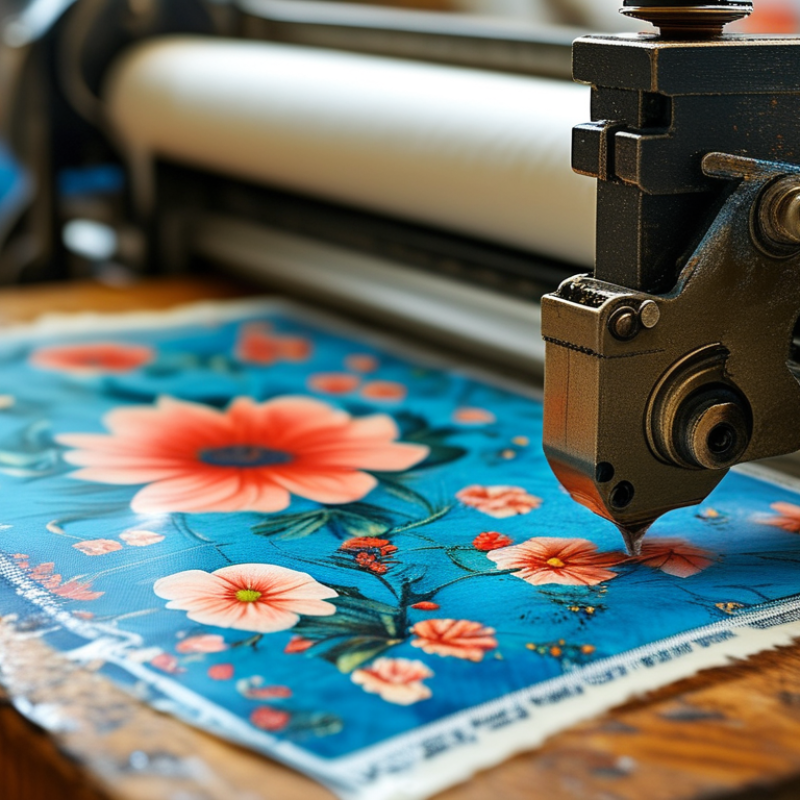
Direct to Film (DTF) printing is a popular method for creating vibrant custom prints. However, users often encounter common issues in the printing process. One such problem is ink clogging in the print head. This typically arises from prolonged machine inactivity or using low-quality inks. Regular maintenance and cleaning routines can alleviate these clogs, but it is crucial to find a reliable ink supplier.
Another frequent issue is improper adhesion of the transfer film to the substrate. This can stem from incorrect temperature settings or pre-treatment of the fabric. Choosing the right transfer film and ensuring correct preheating can significantly improve adhesion. Additionally, users may find that printing at unsuitable resolutions leads to blurry images. Testing different DPI settings before starting a large project can make a noticeable difference. It's essential to regularly assess the equipment and printing materials for optimal results. Reflecting on these common challenges can help users enhance their DTF printing proficiency.
Ink adhesion issues are a common hurdle in DTF printing, impacting the overall quality of the final product. Research indicates that up to 30% of DTF prints may face problems related to ink adhesion, leading to peeling or fading over time. This can be attributed to various factors, including surface preparation and the type of DTF ink used. Properly pre-treating the fabric surface can significantly enhance ink bonding. Neglecting this step can result in subpar adhesion, especially when printing on polyester fabrics.
Environmental conditions also play a critical role in ink adhesion. High humidity levels can interfere with the drying process, causing ink to adhere poorly. A study by Printing Industries of America highlights that 25% of printing defects arise from improper surrounding conditions. Furthermore, the cure temperature of the print is vital. If the print does not cure correctly, it may lead to defects. Understanding the relationship between temperature and adhesion is essential for printers seeking optimal results.
Many printers overlook the importance of testing adhesion regularly. Conducting tape tests or wash tests helps identify potential adhesion problems early in the process. These simple checks can save time and materials in the long run. Addressing these issues proactively leads to better quality products and customer satisfaction. Printers must embrace continual learning and adjustment to improve outcomes in DTF printing.
DTF (Direct to Film) printing has gained popularity for its versatility. However, print quality issues can often undermine its effectiveness. Common problems include inadequate ink adhesion, color mismatch, and blurry images. According to a recent industry report, 30% of operators face challenges related to print clarity. These issues can lead to customer dissatisfaction and increased costs.
Inadequate ink adhesion is a frequent concern. This can stem from improper curing times or incorrect temperature settings. One study showed that 25% of DTF prints suffer from peeling or flaking after the transfer process. Ensuring the right balance in these parameters is crucial. Check calibration regularly to minimize hiccups in print quality.
Color mismatch, another prevalent issue, can arise from outdated profiles or incorrect ink formulas. Research indicates that nearly 20% of users encounter inconsistencies between the digital design and the final product. Conducting thorough color testing before full production can help in achieving better alignment. Even small adjustments to the print settings can lead to significant improvements in the final output.
Color accuracy is a significant challenge in DTF printing. Many users encounter issues where the final print doesn't match the original design. This discrepancy can stem from various factors, including improper profile settings and ink quality. To enhance color accuracy, it's crucial to calibrate your printer regularly. This process ensures that the colors produced align closely with the intended hues.
Another common issue arises from the transfer process. If the temperature or time is not correctly set, colors can look faded or distorted. Testing with different settings can yield better results. It's also important to remember that the fabric type impacts color outcomes. For instance, dark fabrics absorb ink differently than light ones, which can lead to unexpected results. This knowledge can improve your print quality.
Dealing with these color challenges may sometimes feel overwhelming. Yet, engaging in systematic testing and keeping detailed records can help identify trends. This reflective approach encourages learning from each print job. Each failure provides insights that refine your DTF printing process. Even seasoned operators face hurdles and must continuously adapt their strategies for better accuracy.
Maintaining and calibrating your DTF printer is crucial for optimal performance. Regular maintenance involves cleaning the print head and ensuring the ink supply remains unclogged. Neglecting these tasks can lead to poor print quality. A dirty print head may produce faded or streaky prints. Over time, accumulated dust and ink residue create serious printing issues. Check the manufacturer's guidelines for specific cleaning recommendations.
Calibration is another key factor in achieving consistent results. You must regularly adjust settings like ink saturation and temperature. Changes in environmental conditions can affect how ink adheres to the substrate. It's essential to perform test prints to identify any discrepancies. An uncalibrated printer may result in color imbalances and misalignment in designs. This can be frustrating and time-consuming.
Even seasoned users may overlook small maintenance tasks, leading to unanticipated problems. Monitor your printer's performance. If you notice irregularities, take the time to troubleshoot. Carry out basic checks and balances. Sometimes, it's about refining your routine and habits. Experience teaches us that consistency is vital in printing quality. Reflecting on past challenges can guide you toward better practices.
: Ink clogging often results from low-quality inks or prolonged inactivity of the machine. Regular maintenance helps.
Ensure proper temperature settings and pre-treat the fabric before applying the transfer film for better adhesion.
Blurriness can occur due to unsuitable DPI settings. Test different resolutions before starting significant projects.
Color discrepancies often arise from faulty profile settings or ink quality. Regular printer calibration can help align colors.
Different fabrics absorb ink differently, impacting color appearance. Dark fabrics will show colors differently than light fabrics.
Check your transfer process settings. Adjust the temperature and time for better color vibrancy and clarity.
Yes, even experienced users encounter issues. Every challenge can offer valuable insights for improving skills and processes.
Engage in testing and maintain records of settings and outcomes. This helps identify patterns and refine techniques.
While a good supplier is critical, users must also maintain their equipment and materials for optimal results. Reflection is key.
DTF printing, while a popular choice for textile decoration, often presents several challenges to users. Understanding the question of "what are common problems in DTF printing" is essential for achieving optimal results. Key issues include ink adhesion problems, where prints may not stick properly to the substrate, leading to poor durability. Additionally, print quality can suffer from various factors such as incorrect settings or inadequate preparation of the transfer film, resulting in blurred or inconsistent images.
Moreover, color accuracy is another significant challenge, as discrepancies can occur between digital designs and final prints due to variations in ink formulation or printer calibration. To tackle these problems effectively, it's crucial to implement routine maintenance and calibration of DTF printers, ensuring that they operate efficiently and produce high-quality transfers. Addressing these issues head-on can greatly enhance the overall success of DTF printing projects.

Colvanta Print