Choosing the right printing method for clothing is crucial for both quality and cost. Various techniques exist, including screen printing, direct-to-garment, and heat transfer. Each method has distinct advantages and drawbacks. According to a report by Smithers, the global textile printing market is forecasted to grow at a CAGR of 12.5% from 2021 to 2026. This growth emphasizes the importance of understanding "which printing method is better for clothing."
Industry expert Dr. Jane Thompson states, “Selecting the best printing method can make or break your clothing line.” Her insights highlight the impact of quality, durability, and design versatility in choosing a printing technique. For example, screen printing excels in bulk orders with vibrant colors, while direct-to-garment offers flexibility for intricate designs. Reliability is necessary, as the wrong choice can lead to excess waste.
While many options exist, careful consideration is key. Brands must evaluate their goals, target audience, and budget constraints. Exploring different methods reveals unique benefits, but there’s no one-size-fits-all solution. The journey to find the ideal printing method requires reflection and might not be as straightforward as anticipated.
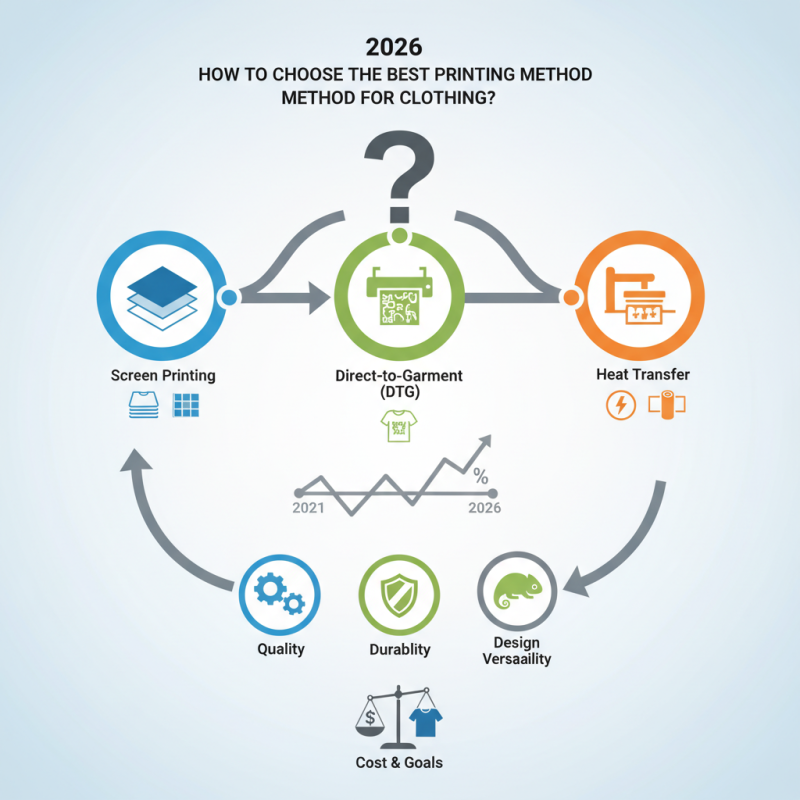
Choosing the right printing method for clothing involves various factors. Each method has its strengths and weaknesses. Understanding these will help you make an informed decision.
One key factor is the fabric type. Different fabrics interact differently with various inks and processes. For instance, cotton works well with screen printing, while synthetic materials may require digital printing. Always consider how the print will look on the chosen material.
Cost is also crucial. Some methods, like screen printing, can be cost-effective for bulk orders. However, they may not be ideal for small runs. Digital printing shines in this area due to its lower setup costs. Always weigh the initial investment against potential returns.
**Tips:** Research and test various methods. Small samples can reveal how well a method performs. Seek feedback from others who’ve made similar choices. Engage in online forums or groups for insights. Don’t rush this process. Mistakes can lead to wasted resources and unsatisfied customers.
Ultimately, think about your target audience. Different demographics will respond to different printing qualities. Always prioritize quality and durability, as poor choices can harm your brand's image. Adjust your selection based on real-world results and experiences. This thoughtful approach will lead to improved outcomes over time.
: Consider the fabric type, cost, and your target audience. Each factor significantly impacts production quality and cost.
Different fabrics interact with inks differently. For instance, cotton suits screen printing, while polyester often needs dye-sublimation.
Screen printing is cost-effective for bulk orders. Digital printing has lower setup costs, ideal for small runs.
Testing samples helps you see how methods perform. Feedback from others can refine your choice. Don't rush.
Using an ill-suited method can cause peeling or fading. Test samples to ensure compatibility for lasting results.
Different demographics favor various printing qualities. Quality and durability are essential to maintain a good brand image.
Digital printing offers vibrant colors and complex designs with minimal waste. It's flexible but may have slower production speeds.
Screen printing may require significant setup time and is not ideal for intricate designs. Quality relies heavily on skilled artisans.
Yes, poor choices can harm your brand’s image. Always prioritize quality and durability to maintain customer satisfaction.
Research thoroughly and seek advice from experienced peers. Engaging in forums can provide valuable insights. Reflect on past experiences.
When considering which printing method is better for clothing, several factors come into play. The choice often depends on the specific needs of the project, including the type of fabric, the desired quality, and budget constraints. Digital printing offers versatility and detailed designs, making it ideal for shorter runs and complex patterns, while screen printing excels in producing vibrant colors and durability, particularly for larger batches.
Moreover, understanding fabric types is crucial; certain materials may work better with specific printing techniques. A thorough cost analysis is essential, weighing the trade-offs between price and quality to find the most suitable option. Lastly, the environmental impact of each method cannot be overlooked, as eco-friendliness increasingly influences consumer choices. Ultimately, determining which printing method is better for clothing is a multifaceted decision that balances these key aspects.

 Colvanta Print