Choosing the best Point Of Sale Display Printers is crucial for retail success. With the rise of digital transactions, businesses need efficient and reliable printing solutions. According to a recent study by MarketsandMarkets, the global POS printer market is projected to grow from $7.9 billion in 2023 to $12.6 billion by 2028. This growth highlights the increasing demand for quality printing solutions in retail environments.
Point Of Sale Display Printers play a vital role in customer engagement. High-quality receipts and promotional displays enhance the shopping experience. A report from Grand View Research indicates that 60% of consumers prefer retailers offering digital receipts. This shift shows the need for printers that can handle both paper and digital formats effectively. Retailers must consider factors like speed, durability, and cost when making their choices.
While many printers have advanced features, finding the right fit can be challenging. Not all printers meet the specific needs of every business. It's essential to reflect on the unique requirements of your retail environment. Taking time to assess various models can lead to better long-term results. Ultimately, the right Point Of Sale Display Printer can greatly influence customer satisfaction and operational efficiency.
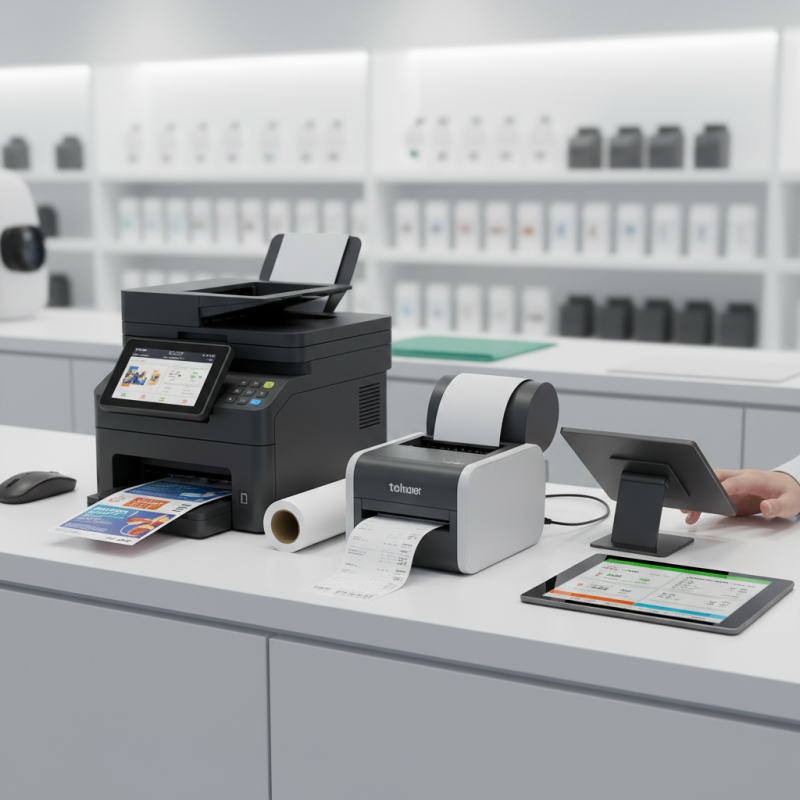
Point of Sale (POS) display printers play a crucial role in the retail landscape. These devices not only handle transactions but also communicate with the customer. High-quality receipts enhance customer experience and provide detailed transaction breakdowns. Clarity in print can reduce misunderstandings regarding purchases, fostering trust and loyalty.
Choosing the right POS printer involves understanding your business needs. For example, a fast printer saves time during peak hours, while one that produces high-resolution graphics may improve branding. Faded or poorly printed receipts can lead to customer frustration. It's essential to evaluate reliability and maintenance costs as well. Some printers require frequent servicing, which can disrupt operations.
Investing in a durable POS printer is important, yet not all options are clear-cut. Cost-effectiveness should be weighed against quality. Inadequate research may lead to regrets later. Not considering your future needs can also limit growth. Gathering feedback from staff who handle these devices is beneficial. Their insights can highlight practical shortcomings or inefficiencies.
Choosing the right Point Of Sale (POS) display printer can significantly impact your business operations. Several key features should guide your decision. First, consider the print speed. A fast printer improves customer service, allowing quicker transactions. Look for printers that can produce clear receipts in under five seconds.
Another critical aspect is connectivity options. Ensure the printer can easily connect with your existing POS system. USB, Bluetooth, and Wi-Fi capabilities can enhance flexibility. Compatibility is vital to avoid unnecessary disruptions.
Tips: Regularly assess your printing needs. If business grows, your printer must keep pace. Pay attention to maintenance. Some printers require additional care, impacting overall productivity.
Finally, evaluate the durability of the printer. A reliable unit can withstand heavy usage. Check reviews or ask other professionals for recommendations. Sometimes, less expensive models offer limited lifespan and increased costs in the long run. Choose wisely.
| Feature | Importance | Recommended Specs | Price Range |
|---|---|---|---|
| Print Speed | High | 200 mm/s or faster | $100 - $300 |
| Connectivity Options | Medium | USB, Ethernet, Bluetooth | $150 - $400 |
| Print Quality | High | 203 DPI or higher | $100 - $500 |
| Durability | Medium | Rated for high-volume usage | $200 - $600 |
| User-Friendly Interface | High | Touchscreen or intuitive buttons | $100 - $400 |
When selecting display printers, understanding the types available is crucial for effective results. The major types include thermal printers, inkjet printers, and impact printers. Thermal printers are widely popular for their speed and reliability. They work by applying heat to coated thermal paper. Reports indicate that thermal printers account for over 45% of the market due to their efficiency in high-demand environments.
Inkjet printers offer vibrant color output, making them suitable for retail displays needing eye-catching graphics. They can produce high-resolution images at a lower initial cost but may incur higher ink costs over time. According to a recent industry analysis, inkjet printers are favored by about 30% of small to medium-sized businesses. However, their speed might not meet the needs of larger operations, leading to potential inefficiencies.
Impact printers, though less common now, are useful for specific applications like multi-part forms. They are more durable but often fall short in speed compared to thermal and inkjet printers. Each type comes with inherent trade-offs. Assessing the specific needs of your business can help in choosing the right one. Make sure to consider the long-term maintenance costs, as they can significantly impact your overall budget.
When selecting a point-of-sale display printer, print quality and speed are crucial. High-resolution prints create sharp images, enhancing product visibility. A printer's speed directly impacts checkout efficiency. Slower printers can lead to long lines, frustrating customers. Look for a balance between these two factors. Sometimes, rapid printing may compromise the clarity of designs.
Consider testing printers before making a choice. Print samples featuring detailed graphics can reveal potential issues. If colors appear faded or text is blurred, the printer may not meet your needs. An on-site trial can clarify your expectations. Despite the advancements in technology, some printers might still underperform in busy settings.
User reviews provide additional insights into real-world performance. Feedback can highlight common issues or exceptional benefits. Engaging with a community of retail professionals can offer perspectives on their experiences. Look for honest assessments, even if they highlight imperfections. This approach ensures you make an informed decision.
Choosing the right POS display printer involves careful budgeting. Many factors come into play. Price ranges can vary widely. While some may seek cost-effective options, others might prefer advanced features. Understanding your business needs is crucial. A printer that meets basic requirements may suffice for some. Others may need high-quality output.
Include maintenance costs in your budget. Regular upkeep can add to long-term expenses. Some printers may have affordable initial costs but higher maintenance fees. It’s essential to calculate the total cost of ownership. Consider the volume of printing as well. High-volume users might need to invest in durable equipment, even if it feels like a significant hit to the budget upfront.
Beyond the initial price tag, think about functionality. Will the printer integrate smoothly with existing systems? A printer that fits your workflow can save time and money. Explore warranty options too. Sometimes, the most economical choice isn’t the cheapest one. Investing in reliability can yield better results over time. Balancing immediate costs with long-term value is a challenge that requires thought.
: Print speed affects customer service. A fast printer speeds up transactions, ideally printing receipts in under five seconds.
Connectivity options like USB, Bluetooth, and Wi-Fi offer flexibility. They ensure seamless integration with existing POS systems.
Regularly evaluate your printing volume. Growth in business means your printer has to keep up with increased demands.
Some printers require more care than others. Neglect can harm productivity and lead to more frequent repairs.
Look for reviews and recommendations. A printer should withstand heavy use to avoid increasing costs over time.
Factor in maintenance costs, not just the initial price. Some lower-cost printers have higher upkeep expenses in the long run.
Assess your output quality requirements. A basic printer might work for some, but others may need advanced features for high-quality output.
Warranties can provide peace of mind. The most cost-effective option may not always be the cheapest upfront; reliability is crucial.
It can be difficult to balance immediate expenses with long-term value. Sometimes, investing more now saves money later on.
Peers can offer insights based on firsthand experience. Their input might help in avoiding pitfalls or costly mistakes.
Point Of Sale Display Printers play a crucial role in enhancing the customer experience at retail locations by providing clear and professional presentations of product information and transactions. When selecting the best POS display printers, it is essential to understand their importance and focus on key features such as connectivity options, print resolution, and ease of use. Evaluating the types of display printers available can help businesses find the most suitable option for their specific needs.
Moreover, assessing print quality and speed is vital for maintaining retail efficiency, ensuring that transactions are processed quickly and accurately. Budgeting considerations also come into play, as businesses must balance quality and cost to find the right printer that meets their operational demands without overshooting expenses. By considering these factors, retailers can invest in Point Of Sale Display Printers that enhance their business operations and customer satisfaction.

Colvanta Print