In the realm of clothing production, selecting the right printing method is crucial. The question often arises: which printing method is better for clothing? Different techniques yield varying results, impacting quality, durability, and cost. Screen printing, for instance, is favored for its vibrant colors and longevity. Yet, it may not suit every project due to setup costs.
Digital printing, on the other hand, offers flexibility and quick turnaround times. However, it can sometimes fall short in durability. Sublimation is another popular choice, great for polyester fabrics, but is limited in color options. Each method has strengths and weaknesses, making the decision challenging.
Understanding each printing technique's nuances is essential for achieving desired outcomes. It’s vital to consider fabric type, design complexity, and production scale. As you evaluate these factors, reflect on your priorities. Balancing quality with budget constraints can lead to difficult choices. Ultimately, the best method will align with your specific needs.
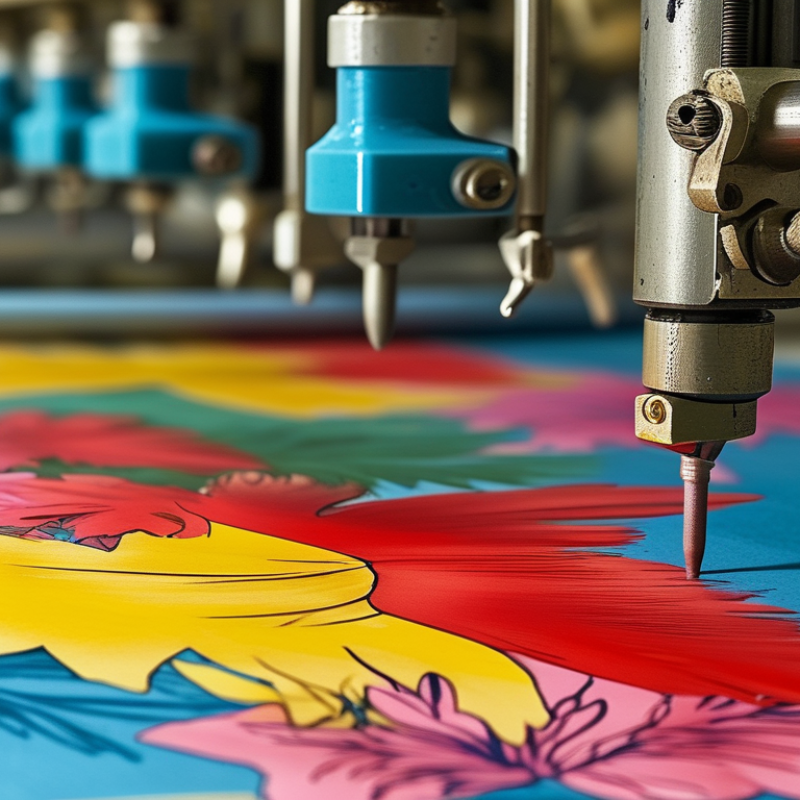
Types of Printing Methods Used in Clothing Production
In the world of clothing production, various printing methods play vital roles in achieving desired aesthetics and durability. Screen printing is a traditional choice, known for vibrant colors and durability. Reports show that 60% of custom apparel uses this method due to its cost-effectiveness in bulk production. However, it has its limits with intricate designs and color gradients.
Direct-to-garment (DTG) printing has gained popularity. This method allows for detailed prints and quick turnaround times. According to industry studies, DTG printing has grown by 25% in recent years. It suits smaller runs but can be costly for large volumes. Emerging options like dye-sublimation offer bright designs on polyester fabrics. But this method is less versatile for different materials.
Tips: Choosing a method depends on the design complexity and production scale. Screen printing is better for large orders, while DTG is ideal for intricate artwork. Always consider fabric type, as some methods work better with certain materials. Balancing cost and quality can be tricky, but understanding your needs leads to better decisions.
Which Printing Method Is Best for Clothing Production?
Comparison of Digital and Screen Printing Techniques
When considering clothing production, choosing the right printing method can be challenging. Digital and screen printing are two popular techniques, each with distinct advantages and drawbacks. Digital printing excels in detailed and colorful designs. It allows for quick turnaround times and is ideal for small batches. However, it may struggle with large orders, as costs can rise with volume.
Screen printing, on the other hand, is known for its durability and vibrant colors. This method is excellent for bulk production, yielding high-quality results on a range of fabrics. Yet, its setup time can be cumbersome, making it less suitable for quick, custom orders. Careful evaluation of design complexity and order size is essential. Both methods have their unique appeals and limitations, which might not fit every brand's needs perfectly. Reflecting on your specific goals will guide the best choice for your production style.
Which Printing Method Is Best for Clothing Production? - Comparison of Digital and Screen Printing Techniques
| Feature |
Digital Printing |
Screen Printing |
| Setup Time |
Short |
Long |
| Cost for Small Runs |
Lower |
Higher |
| Color Range |
High |
Medium |
| Image Detail |
Excellent |
Good |
| Durability |
Moderate |
High |
| Speed for Large Runs |
Slow |
Fast |
| Environmental Impact |
Lower |
Higher |
Advantages and Disadvantages of Heat Transfer Printing
Heat transfer printing is a popular method in clothing production, known for its simplicity and versatility. This technique involves applying a design onto a substrate using heat and pressure. One key advantage is the vibrant colors it can produce, making it ideal for intricate, multi-colored designs. Manufacturers appreciate its ability to work on various fabrics, from cotton to polyester, allowing for greater creativity in design.
However, heat transfer printing comes with significant drawbacks. The longevity of prints can be a concern, as they may fade or crack over time. This method often requires careful washing and drying to maintain quality. Additionally, the feel of the print can be less desirable compared to screen printing. Some customers prefer the soft texture of direct printing, as heat transfers can feel bulkier on the fabric.
Another aspect to consider is production efficiency. While heat transfer can be quicker for small runs, it may not be cost-effective for larger batches. Companies must balance their priorities between quality, cost, and speed. Clarity about these trade-offs can help businesses make informed decisions. Being aware of these pros and cons can guide manufacturers toward the most suitable printing method for their specific needs.
Evaluating the Eco-Friendliness of Different Printing Methods
When exploring the eco-friendliness of printing methods in clothing production, it’s crucial to assess their environmental impact. Water-based inks, for example, are gaining popularity due to their lower toxicity. According to a report by the Eco-Friendly Fashion Institute, water-based prints can reduce hazardous waste by up to 50% compared to solvent-based options. This substantial decrease highlights the importance of choosing sustainable materials in the fashion industry.
Digital printing is another method worth considering. Studies show that this approach uses 30-50% less water and energy than traditional screen printing. However, not all digital inks are created equal. Some still contain harmful chemicals. Thus, careful selection and research are necessary to ensure genuinely eco-friendly products.
A potential drawback exists with all methods; they generate some waste. For instance, even water-based inks can have issues with excess runoff if not properly managed. The industry has room for improvement in waste management practices. As awareness grows, manufacturers must commit to greener methods, balancing quality with sustainability. The future of eco-friendly printing relies on innovation and responsible choices.
Cost Considerations in Choosing a Printing Method for Apparel
When choosing a printing method for apparel, cost plays a crucial role. Different techniques can significantly affect production budgets. According to a 2022 report by the Textile Institute, direct-to-garment (DTG) printing typically has a lower setup cost compared to screen printing. Yet, this may not be the case for larger production runs. Screen printing becomes more economical at volumes above 100 pieces, often averaging around $2.50 per shirt, while DTG can reach $10 or more per shirt.
Another consideration is the quality of print and longevity. Sublimation printing provides vibrant colors and is great for polyester fabrics. However, it also has a higher initial investment, with equipment costing up to $25,000. A survey by the Apparel Manufacturers Association highlighted that 45% of firms believe high-quality prints justify higher costs. Balancing cost and quality is a challenge.
Sustainability factors also impact costs. Water-based inks, while environmentally friendly, often come at a premium. According to industry data, using sustainable materials can increase production costs by 15% to 20%. These factors complicate the decision-making process. Choosing the right printing method requires careful consideration of not just immediate costs but long-term implications too.
FAQS
: It is a method of applying designs onto fabrics using heat and pressure.
Vibrant colors and versatility on various fabrics attract many manufacturers.
Prints may fade or crack over time and require special care when washing.
Heat transfer can feel bulkier and less soft than direct printing methods, which some prefer.
Water-based inks are less toxic, and digital printing uses less water and energy, but may still have harmful chemicals.
Direct-to-garment printing has lower setup costs, while screen printing is more economical for larger batches.
Quality varies by method; sublimation printing offers vibrant colors for polyester but is costly to start.
Yes, eco-friendly materials can raise production costs by 15% to 20%, complicating choices.
All methods produce waste; managing it effectively is crucial for a more sustainable industry.
Companies must weigh immediate costs against long-term benefits and sustainability in their decisions.
Conclusion
The article "Which Printing Method Is Best for Clothing Production?" explores various printing techniques used in the textile industry. It outlines the different methods, including digital, screen, and heat transfer printing, while comparing their unique features and applications. Digital printing offers flexibility and high-quality designs, while screen printing is celebrated for its durability and vivid color output. Heat transfer printing is evaluated for its ease of use but may come with limitations in longevity.
Furthermore, the article discusses the environmental impact of these printing methods, emphasizing the importance of choosing eco-friendly options. Cost considerations are also critical, as different methods can affect overall production expenses. Ultimately, the article seeks to answer the question of which printing method is better for clothing by weighing the advantages and disadvantages of each approach, providing valuable insights for apparel producers.

 Colvanta Print