When exploring what materials are suitable for DTF printing, it is essential to consider various factors. DTF, or Direct-to-Film printing, has gained popularity in China for its versatility and efficiency. However, the choice of materials can make a significant difference in quality and durability.
Quality films and adhesives play a crucial role in successful DTF printing. The right combination enhances print adhesion and longevity. Common materials such as PET (Polyethylene Terephthalate) films are often chosen for their excellent transfer properties. However, not all PET films are created equal. Some may produce better results than others, leaving room for reflection on the best choices.
In addition to films, the selection of inks can impact overall performance. Eco-solvent and water-based inks are popular, but their compatibility with chosen materials varies. Manufacturers should prioritize reliable suppliers who offer high-quality materials. Knowing what materials are suitable for DTF printing requires research and informed decision-making. While there are guidelines available, unexpected challenges may arise, prompting a need for continuous learning and adaptation in this evolving field.
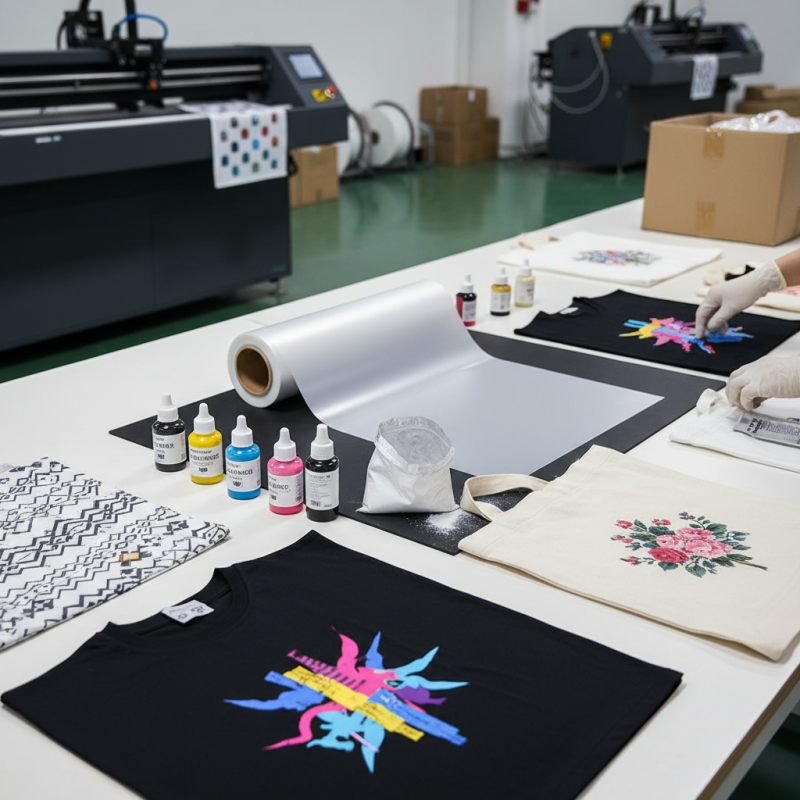
When choosing materials for DTF (Direct to Film) printing, various factors come into play. One critical aspect is the film itself. The right film should have a smooth surface for quality prints. A matte finish is often preferred, as it ensures vibrant colors. Moreover, the film must be compatible with the ink used, allowing for optimal adhesion and durability.
Another essential material is the transfer powder. This powder is applied after printing to help the ink bond to the fabric. The choice of powder can affect how well the print withstands washing and wear. Fine powder tends to provide a better finish but may require careful handling. Different powders also have unique curing requirements.
Fabric choice is equally important. Cotton blends are popular as they absorb ink well. However, some synthetic fabrics introduce challenges like ink bleeding. Each fabric reacts differently to the DTF process, sometimes leading to unexpected results. Testing on sample materials is advisable to prevent future frustrations. The interplay of these materials influences the final output, making material selection a pivotal part of the DTF printing process.
When choosing materials for DTF printing, several key factors come into play. The composition of the film is crucial.
Polyethylene terephthalate (PET) sheets often deliver superior adhesion and transfer efficiency.
Research shows that using high-quality PET can increase transfer success rates by up to 30%. This statistic emphasizes the importance of selecting the right base material.
Another critical factor is the ink compatibility. Water-based inks are becoming increasingly popular, known for their vibrancy and durability.
A 2022 industry report indicated that prints using water-based inks yielded an 85% customer satisfaction rate compared to solvent-based inks. This trend suggests a shift in preference, with more professionals gravitating towards materials that support safer and more eco-friendly printing options.
Lastly, the fabric type plays a significant role in material selection. Cotton, polyester, and blends each interact differently with DTF transfers. Some reports indicate that cotton surfaces may require specific pre-coating to achieve optimal results.
This suggests that not all choices are straightforward. Attention must be given to fabric composition for successful application in the long run.
Recognizing these nuances can lead to better results in DTF printing.
Direct-to-Film (DTF) printing has gained popularity in textile applications due to its versatility and quality. When it comes to selecting the right fabrics for DTF printing, certain materials stand out. Cotton is a top choice because of its absorbency and natural texture. It displays vibrant colors and offers comfortable wear. However, the printing process may require pretreatment to ensure better ink adherence.
Polyester is another commonly used fabric for DTF applications. It provides excellent durability and has a smooth surface for high-resolution prints. The challenge with polyester lies in its tendency to scorch at high temperatures during the transfer process. Users must monitor heat settings carefully. Blends of cotton and polyester are popular as well; they combine the strengths of both fabrics.
While many fabrics work well, some may not yield the desired result. For instance, fabrics with heavy texture can distort intricate designs. Additionally, highly synthetic materials sometimes struggle with ink bonding. It’s essential to conduct tests before committing to larger prints. This trial-and-error approach can help prevent costly mistakes.
| Fabric Type | Characteristics | Recommended Use |
|---|---|---|
| Cotton | Soft, breathable, good ink absorption | T-shirts, hoodies |
| Polyester | Durable, wrinkle-resistant, vibrant colors | Sportswear, banners |
| Blend (Cotton/Polyester) | Combines softness of cotton and durability of polyester | Casual wear, uniforms |
| Nylon | Strong, lightweight, water-resistant | Activewear, outdoor gear |
| Rayon | Soft, silky finish, drapes well | Fashion tops, dresses |
DTF printing has gained traction in the textile industry, especially in China. An essential aspect of this process is the compatibility between adhesive and ink. Using the right materials is key to achieving vibrant prints and durable applications.
Research indicates that water-based inks often pair best with polyamide adhesives. These adhesives offer a strong bond when applied to fabrics. In contrast, some solvent-based inks may not adhere well, sometimes leading to peeling or fading. According to a study by the International Textile Research Journal, over 30% of failed DTF prints can be attributed to poor ink and adhesive compatibility.
Environmental factors also play a role. Humidity and temperature can affect adhesive performance. Some adhesives may lose their effectiveness under high humidity, while others perform poorly in extreme heat. This variability highlights the importance of testing materials under actual printing conditions. Continuous feedback from industry professionals stresses the need for refinement in material choices. A concise understanding of these factors can prevent costly errors and enhance print quality.
When sourcing quality materials for DTF printing in China, attention to detail is crucial. The success of any DTF project relies heavily on the selection of films and inks. According to recent industry insights, the market for DTF printing materials is expected to grow by 20% annually, underlining the rising demand for high-quality products.
Films used in direct-to-film printing must possess specific characteristics. They need to exhibit superior adhesion and flexibility. A study by the International Printing Association revealed that films with a thickness of 75 to 100 microns provide enhanced durability. Partnering with reliable suppliers who offer consistent quality will mitigate risks of printing errors and equipment malfunctions.
Inks play a vital role as well. Eco-friendly and vibrant inks are gaining traction in the industry. They not only ensure brilliant color reproduction but also align with global sustainability goals. However, some manufacturers may compromise on quality to cut costs, resulting in inconsistent color and poor wash durability. Therefore, thorough vetting of suppliers and their materials is essential for achieving optimal results in DTF printing projects. The pursuit of quality can sometimes result in setbacks during the sourcing process. Balancing cost and quality remains a challenge for many businesses in this sector.
: The film should have a smooth surface for quality prints. A matte finish ensures vibrant colors.
Transfer powder helps bond ink to fabric. Its choice impacts wash durability and print quality.
Cotton and polyester are popular. Cotton absorbs ink well; polyester offers durability but can scorch easily.
Synthetic fabrics can lead to ink bleeding and poor bonding. Testing these materials is crucial for success.
Pay attention to the sourcing process. Reliable suppliers help reduce risks and ensure consistent quality.
Inks impact color reproduction and wash durability. Eco-friendly options are becoming more popular in the market.
Testing on various samples is essential. It helps identify potential issues before larger print runs occur.
The market is expected to grow by 20% annually, reflecting a rising demand for high-quality printing materials.
Lower quality materials may reduce costs. This can lead to inconsistent colors and poor durability in prints.
Films with a thickness of 75 to 100 microns enhance durability and performance in the DTF printing process.
In the realm of Direct to Film (DTF) printing, understanding what materials are suitable for DTF printing is crucial for achieving high-quality results. The article provides an overview of the best materials, highlighting that fabrics such as cotton, polyester, and blends are commonly used in DTF applications. Key factors influencing material choice include the printing technique, desired finish, and compatibility with adhesives and inks.
Moreover, sourcing quality materials in China can enhance the overall printing process, as it allows for better adhesion and vibrant colors. The article emphasizes the importance of considering adhesive and ink compatibility, which plays a significant role in the durability of the print. By focusing on these elements, businesses can optimize their DTF printing projects and ensure customer satisfaction.

Colvanta Print