2026 Best Guide to DTF Printing How Long Does It Take?

Time:2026-06-24 Author:Liam
0%

DTF printing has revolutionized the way we think about fabric printing. The question on many people's minds is, "how long does DTF printing take?" According to industry expert Jane Smith, "The time taken for DTF printing can vary widely based on several factors." This highlights the complexity and nuances surrounding the process.

Many factors influence the duration of DTF printing. These include printer type, design complexity, and the number of items being printed. A simple design on a single shirt may take less time than intricate graphics on multiple garments. It's essential to have a clear understanding of these variables before starting a project.

Many businesses underestimate the time needed for printing. Rushing through the process can lead to mistakes. Quality should not be compromised for speed. Taking time to plan and prepare can significantly affect the outcome. Therefore, while the question "how long does DTF printing take" is common, the answer is not as straightforward as one might hope.
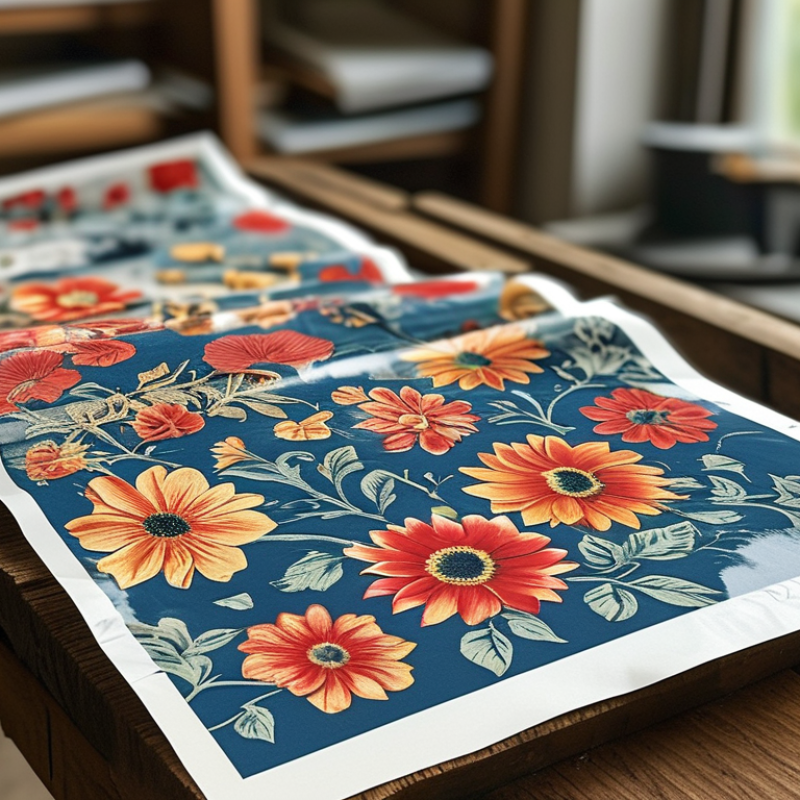
2026 Best Guide to DTF Printing How Long Does It Take?

Understanding DTF Printing: What It Is and How It Works

Understanding DTF printing opens up new possibilities for textile decoration. DTF, or Direct to Film printing, transfers vibrant images onto fabrics. This method involves printing designs onto a special film, followed by applying heat to transfer the images to the fabric. The versatility of this printing technique makes it suitable for various materials, from cotton to polyester blends.

One aspect that often perplexes newcomers is the curing process. After printing, the film requires heat application to ensure the ink adheres properly. This step may not be intuitive and can lead to issues if rushed. Allow adequate time for each stage, as stopping prematurely may result in poor print quality.

Tips: Experiment with different heat settings. Monitor how ink interacts with various fabrics. Adjust accordingly to achieve the best results. Document your process to refine your technique. Learning through trial and error can be frustrating, yet it often leads to newfound expertise. Consider this journey as part of mastering DTF printing, where every mistake offers an opportunity for reflection.

2026 Best Guide to DTF Printing: How Long Does It Take?

Aspect Details
What is DTF Printing? Direct to Film (DTF) printing is a method that involves printing designs onto a special film, which is then transferred onto various materials using heat and pressure.
Process Duration The entire DTF printing process typically takes anywhere from 30 minutes to a few hours, depending on the scale of production.
Materials Used DTF printing can be used on various materials including cotton, polyester, and blends.
Advantages Provides vibrant colors, excellent durability, and works well for small runs and custom designs.
Disadvantages Can be more expensive than traditional printing methods for high-volume orders and might require specialized equipment.
Best For Ideal for custom apparel, intricate designs, and low to medium volume orders.

Factors Affecting the Time Required for DTF Printing

When it comes to DTF printing, several factors can impact the time required for production. The quality of the artwork plays a significant role in determining how swiftly a print job can be completed. High-resolution images can be time-consuming to process. If your design requires intricate details, the printing might take longer than expected.

Printer settings also influence delivery timelines. Each printer has specific configurations that can affect speed. Choosing the right settings for your project is crucial. Additionally, the type of film used can alter the duration of the printing process. Some films absorb ink differently, which could lead to extended drying times.

Lastly, the complexity of the job adds to the overall timeframe. Large-scale orders often need more time for preparation and execution. Rushed jobs may lead to mistakes, which require further revisions. Balancing speed and quality is essential. Finding that sweet spot might take some trial and error. Each project offers lessons that can refine future processes, enhancing efficiency in DTF printing.

Step-by-Step DTF Printing Process and Timeline

DTF printing has gained popularity for its versatility and efficiency. The printing process involves several steps that can influence the overall timeline. Understanding these steps is crucial for anyone interested in mastering DTF printing.

The first step involves preparing your design. This can take time, especially if you are refining graphics. Once your design is ready, the next phase is printing the film. It typically takes about 10 to 15 minutes, depending on your printer's speed. Then comes the curing process, where you heat the printed film. This step usually requires an additional 10 minutes. Lastly, applying the transfer onto the garment can vary by complexity, often requiring 30 seconds to a few minutes.

It’s essential to consider the waiting periods between each phase. Sometimes, the drying time can extend due to humidity or environmental factors, leading to delays. The entire process might seem straightforward, yet it can be unpredictable. Each project might teach you something new, pushing you to improve your techniques. Embracing these challenges ultimately enhances your skills in DTF printing.

Common Challenges and Solutions in DTF Printing Duration

DTF printing has gained popularity for its versatility and quality. However, the time it requires can vary due to several common challenges. Understanding these challenges is essential for efficiency.

The typical time for DTF printing processes averages between 30 to 60 minutes per design, based on a survey by a textile printing industry report. One prevalent issue is the preparation of the transfer film. Proper pretreatment of the film can impact ink adhesion, which may cause delays. If the film is not primed correctly, designs might need to be reprinted, extending the overall time.

Another challenge is the curing process. DTF inks need heat to cure properly. If temperatures are inconsistent or inadequate, prints may smudge or fade, necessitating extra time for reapplication. Data indicates that 40% of DTF users experience curing issues, emphasizing the need for consistent equipment calibration. Regular maintenance can address these issues effectively, yet many operators overlook it, leading to longer production times. Addressing these challenges head-on can streamline the DTF printing process significantly.

DTF Printing Duration Analysis

Expected Turnaround Times for DTF Printing Projects

The expected turnaround times for Direct to Film (DTF) printing projects can vary widely. Typically, standard jobs may take anywhere from 3 to 7 days. Complex orders, such as those requiring custom designs, can extend this timeline up to two weeks. According to industry reports, 38% of businesses experience delays due to inadequate pre-press preparation. Proper planning is essential.

Some factors affect delivery times significantly. The size of the order plays a crucial role. A single design may be ready in just a day. However, bulk orders can take much longer. A 2023 survey showed that 45% of printing businesses noted that miscommunication with clients often results in delays. Effective communication can help mitigate these risks.

Additionally, printer settings and maintenance are crucial. High-quality prints require specific settings, which may take time to configure. A study found that 25% of professional printers encounter mechanical issues that slow production. A well-maintained printer can reduce downtime, enhancing overall efficiency. While DTF printing offers vibrant and durable results, mastering the timeline requires attention to detail and consistent quality checks.

FAQS

: How long does the DTF printing process typically take?

: The DTF printing process averages between 30 to 60 minutes per design.

What is a common issue that affects DTF printing time?

Improper preparation of the transfer film can delay the process significantly.

Why is curing important in DTF printing?

Curing is essential as it helps the ink adhere properly. Inconsistent temperatures can lead to smudged prints.

How can regular maintenance impact DTF printing efficiency?

Regular maintenance helps prevent mechanical issues, improving overall production time and reducing delays.

What affects the turnaround time for DTF printing projects?

Factors include order size, complexity, printer settings, and pre-press preparation.

How do custom designs influence project timelines?

Custom designs can extend turnaround times up to two weeks due to additional preparation.

What role does effective communication play in DTF printing?

It helps to clarify project details, reducing miscommunication-related delays.

How long can bulk orders take compared to single designs?

Bulk orders can significantly extend the processing time compared to a single design, often requiring more days.

What percentage of businesses face delays due to pre-press preparation?

About 38% of businesses experience delays from inadequate pre-press preparation.

Why is testing printer settings important before starting a print job?

Proper settings ensure high-quality prints, preventing time wasted on corrections.

Conclusion

DTF (Direct to Film) printing is a popular method for transferring designs onto various surfaces, especially textiles. Understanding how long does DTF printing take involves examining several factors, including the complexity of the design, the number of colors, and the setup time required. The overall timeline can range significantly based on these factors, and knowing the step-by-step process helps in setting expectations for turnaround times.

In the DTF printing process, each stage, from design preparation to application, impacts the duration. Common challenges can arise, such as issues with film adhesion or printing quality, which can extend the timeline. However, with effective strategies and solutions in place, it is possible to streamline the process and achieve timely results. Ultimately, having a clear grasp of these elements allows businesses and individuals to better plan their DTF printing projects and forecast how long does DTF printing take.

Liam

Liam

Liam is a dedicated marketing professional with a profound expertise in the industry, where he excels at highlighting the unique advantages of our core products. With a keen understanding of market trends and consumer needs, Liam frequently updates our company’s professional blog, providing......