Direct-to-film (DTF) printing has changed how small apparel businesses decorate garments. It transfers printed designs onto fabric through adhesive powder and controlled heat. The process creates bright colors, soft gradients, and flexible finishes without traditional screen setup. Yet one question remains essential: what materials are suitable for dtf printing?
Industry data supports this growing interest. Grand View Research reported that the global digital textile printing market was valued at approximately USD 5.9 billion in 2023. Its analysis also projects strong growth through 2030, driven by customization and shorter production runs. Smithers’ report, The Future of Digital Textile Printing to 2028, highlights similar movement toward on-demand textile production and digital workflows. These reports do not mean every fabric will perform equally well.
Material behavior matters. Cotton usually offers reliable adhesion and clear color reproduction. Polyester can require lower curing temperatures to reduce dye migration. Cotton-polyester blends may work well, but results depend on fiber ratios and fabric coatings. Nylon, canvas, denim, leather, and treated textiles need more cautious testing. A small sample can reveal peeling, scorching, dye bleed, or an overly stiff surface.
This guide examines ten practical materials for DTF printing. It considers adhesion, heat tolerance, stretch, wash durability, and surface texture. Real production is less perfect. Even experienced printers sometimes need to adjust pressure, temperature, or curing time. Fabric suppliers also change finishes without obvious warnings. Therefore, reliable testing remains more valuable than assumptions, especially before accepting large orders.
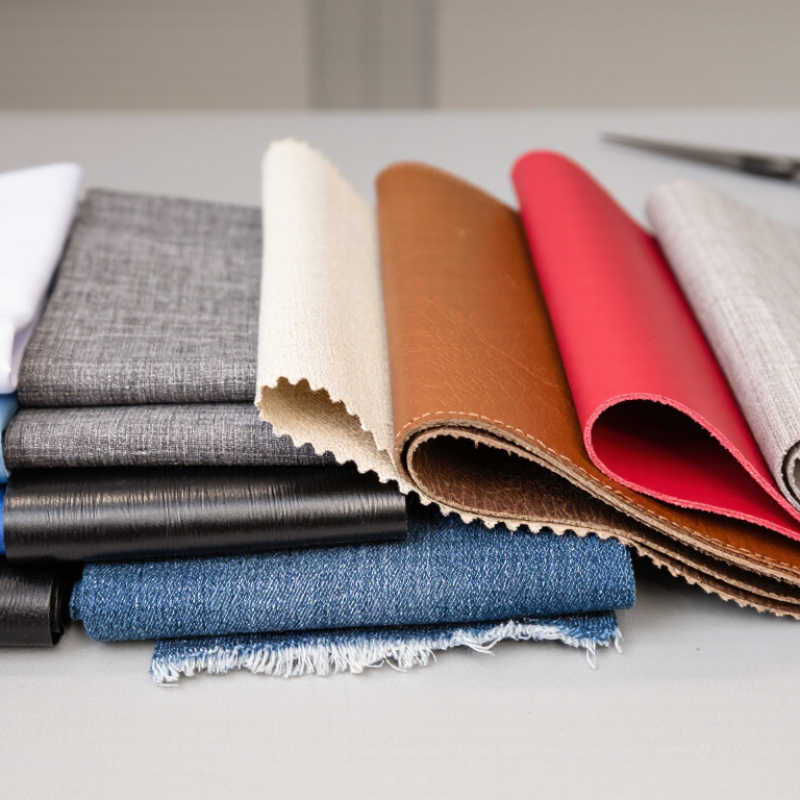
A material is suitable for DTF printing when it accepts adhesive powder, tolerates heat, and keeps the transfer stable after washing. Cotton usually offers reliable adhesion and a soft hand feel. Polyester prints well, but heat can trigger dye migration. Cotton-polyester blends need testing because their surfaces respond differently. Fleece, denim, canvas, nylon, rayon, spandex blends, and coated fabrics may also work. However, “works once” is not enough.
Textile Exchange’s 2024 Materials Market Report recorded approximately 124 million tonnes of global fiber production in 2023. Polyester represented about 57% of that volume. This scale explains its importance in garment printing, not its automatic suitability. Polyester quality, dye type, weave, and finishing chemicals can change the result. A smooth, clean surface usually gives better coverage. Rough canvas may need stronger pressure. Stretch fabrics need flexible artwork and careful curing. I have found that small test prints reveal problems faster than assumptions. Some choices still fail after washing.
Tips: Test a 10-centimeter sample first. Check adhesion, edge lifting, color migration, and stretch recovery. Use AATCC TM61 or ISO 6330 washing procedures for more consistent comparisons. Record temperature, pressure, curing time, and fabric composition. Dark polyester deserves extra caution. Heat-blocking powder or a lower-temperature process may help, but neither solution is universal. Inspect the print after several washes, not only immediately after pressing.
The 10 best materials for DTF printing are cotton, polyester, cotton-poly blends, tri-blends, fleece, canvas, denim, nylon, leather, and polyester softshell. Cotton usually gives the softest hand feel and strong color appearance. Polyester supports bright transfers, but excessive heat can cause scorching or fabric distortion. Blended fabrics often provide a practical balance between comfort and durability.
Fleece works well for hoodies because its dense fibers hold the adhesive layer firmly. Canvas creates a textured, durable surface for bags and workwear. Denim accepts bold designs, although its uneven weave may slightly affect fine details. Nylon can be suitable, but it needs a compatible adhesive and careful temperature control. I recommend testing a small hidden area first.
Leather requires extra caution. Natural and synthetic versions react differently to heat and pressure. Polyester softshell can also work, but its coating may reduce adhesion. Tri-blends sometimes shrink or show slight color changes after pressing. In production, I check fabric composition, wash resistance, pressure, and cooling time before approving a design. A transfer may look perfect immediately, yet crack after washing. That mistake is easy to miss. Use a clean surface and avoid heavy fabric softener before application. Some materials still behave unpredictably, especially after repeated washing.
DTF printing performs differently when heat and pressure meet each fabric. Cotton usually accepts adhesive well, creating a clean, soft finish. Polyester prints sharply, but excessive heat can cause dye migration. Cotton-polyester blends are practical, although their mixed fibers may produce uneven bonding. Tri-blends feel comfortable, yet their thin surface needs lighter pressure. Always check the fabric label and test a hidden area.
Denim and canvas have dense, textured weaves. They often need firm, even pressure for complete adhesion. Fleece can work well, but its raised fibers may leave small gaps beneath the transfer. Nylon is more demanding because heat can distort it, and standard adhesive may not bond reliably. A compatible low-temperature transfer is safer. Stretch fabrics containing spandex require careful pressure and curing, or the design may crack during movement. Small details matter here.
Leather and coated synthetic leather can accept DTF transfers, but heat may cause gloss changes, shrinking, or surface marks. Use the lowest effective temperature and a short test press. In my early trials, I trusted the transfer sheet too much and skipped a wash test. That mistake exposed weak edges after repeated cleaning. I now test every material for adhesion, stretch, color change, and wash durability. Results still vary between fabric finishes, so fixed settings are only a starting point.
10 Best Materials Suitable for DTF Printing?
Preparing Different Materials for Successful DTF Transfers
DTF transfers can work well on cotton, polyester, and blended fabrics. They also suit denim, canvas, fleece, nylon, and some coated textiles. Each material needs a different preparation routine. Cotton usually accepts the transfer easily, while polyester may require lower heat. Nylon can be unpredictable because its surface may resist strong adhesion.
Begin with a clean, dry garment. Remove lint, dust, and loose fibers with a lint roller. Press the fabric briefly to release moisture and flatten wrinkles. Do not apply transfers over seams, zippers, buttons, or thick pockets. These raised areas can create uneven pressure and weak edges. Smooth cotton often gives the most forgiving results.
Check the fabric label before choosing temperature and pressing time. Test a small hidden area first. Heat-sensitive materials may shrink, discolor, or develop a shiny mark. I have sometimes trusted a familiar setting and regretted skipping this test. Pressure matters too; excessive force can flatten fleece or leave an unwanted imprint. After pressing, let the transfer cool as instructed, then peel carefully. Stretch the fabric gently and inspect the corners. If an edge lifts, the material may need adjusted heat, pressure, or cooling time. Some fabrics simply behave differently than expected.
Material compatibility, preparation requirements, and practical pressing guidance for direct-to-film transfers
| Rank | Material | Typical Applications | Compatibility | Recommended Preparation | Typical Pressing Guidance | Key Considerations |
|---|---|---|---|---|---|---|
| 1 | Cotton | T-shirts, hoodies, tote bags, workwear, and casual apparel | Excellent | Remove lint, pre-press for 3–5 seconds to release moisture, and ensure the surface is flat and dry. | About 150–165°C for 10–15 seconds at medium pressure; follow the transfer film supplier’s instructions. | Absorbent cotton usually provides strong adhesion and vivid color reproduction. Dark cotton garments generally require a white underbase. |
| 2 | Polyester | Sportswear, uniforms, performance shirts, flags, and promotional clothing | Excellent | Use a lint roller, pre-press briefly, and avoid excessive heat on dye-sublimated or heat-sensitive garments. | Use the transfer’s specified temperature and pressure; a shorter dwell time may help reduce dye migration. | Choose low-bleed or dye-migration-resistant materials when decorating dark or sublimated polyester. |
| 3 | Cotton–Polyester Blends | Everyday apparel, sweatshirts, teamwear, and promotional garments | Excellent | Pre-press to remove moisture and wrinkles, then check the garment care label for heat limitations. | Approximately 150–165°C for 10–15 seconds is common, but the blend and transfer specifications should determine the final settings. | Blends combine cotton’s easy adhesion with polyester’s lower absorbency. Test for dye migration on dark garments. |
| 4 | Nylon | Windbreakers, bags, outdoor apparel, sports accessories, and lightweight jackets | Very Good | Clean with a lint-free cloth, avoid fabric softener or water-repellent residue, and use a nylon-compatible adhesive transfer. | Use the lower end of the approved temperature range and moderate pressure; verify adhesion with a wash test. | Nylon can be heat-sensitive and may have a coated surface. Standard transfers may not bond reliably without suitable adhesive chemistry. |
| 5 | Canvas | Tote bags, aprons, utility clothing, banners, and home-textile projects | Very Good | Remove lint, flatten seams, and pre-press longer if the fabric is thick or holds moisture. | Medium-to-firm pressure may be needed; use a protective sheet and test the temperature on a hidden area. | The textured weave can affect fine details. Larger designs and bold lettering usually produce more consistent results. |
| 6 | Denim | Jeans, denim jackets, caps, bags, and workwear | Very Good | Pre-press to smooth the weave, remove lint, and avoid placing designs directly over thick seams or pockets. | Medium-to-firm pressure and the transfer manufacturer’s recommended temperature are typically required. | Heavy denim may need a longer or second pressing. A smooth design area gives better edge definition than heavily textured denim. |
| 7 | Fleece | Hoodies, blankets, jackets, sweatpants, and winter accessories | Very Good | Use a lint roller, pre-press to remove moisture, and avoid excessive pressure that can flatten the pile permanently. | Use moderate pressure and a protective cover; allow the transfer to cool as directed before peeling. | Raised fibers can reduce contact with the adhesive. Smooth, firm fleece generally performs better than long-pile fleece. |
| 8 | Leather and Synthetic Leather | Leather goods, wallets, patches, accessories, and selected fashion items | Good with Testing | Clean gently, remove oils and surface treatments, and test on an inconspicuous area before production. | Use the lowest effective temperature and pressure compatible with the transfer; protect the surface from direct platen contact. | Natural and synthetic leather vary significantly. Heat can cause gloss, shrinkage, discoloration, or surface damage. |
| 9 | Spandex and Stretch Fabrics | Leggings, dancewear, swimwear, compression garments, and fitted sportswear | Good with Testing | Lay the garment flat without overstretching, remove lint, and use a stretch-compatible transfer for flexible designs. | Apply moderate pressure and use the approved temperature and dwell time; avoid stretching the garment while it is hot. | Stretchable films and suitable adhesive layers help reduce cracking. Test the design after repeated stretching and washing. |
| 10 | Triacetate and Other Heat-Sensitive Synthetics | Specialty apparel, fashion garments, linings, and selected performance textiles | Test Carefully | Check the care label, clean the surface, and conduct a heat and adhesion test on a hidden section. | Use a low-temperature transfer system when available, minimal effective pressure, and the shortest validated dwell time. | These fabrics may soften, distort, scorch, or develop shine. Production should begin only after wash and stretch testing. |
Important: Pressing temperature, time, pressure, peeling method, and post-press requirements vary by transfer formulation and fabric construction. Always test one sample before full production and complete a wash-adhesion check.
Choosing the right substrate matters more than selecting the transfer alone. Textile Exchange’s 2024 Materials Market Report states that polyester represented 59% of global fiber production in 2023, while cotton accounted for 19%. These figures explain why cotton and polyester remain practical DTF choices. The ten most suitable materials are combed cotton, organic cotton, polyester, cotton-polyester blends, nylon, canvas, denim, fleece, twill, and leatherette.
Cotton absorbs the printed adhesive well and produces sharp, soft graphics. Polyester usually offers stronger color stability and lower shrinkage. Blends can balance comfort and durability, although dye migration may affect pale designs. Nylon requires a compatible adhesive and careful temperature control. Canvas, denim, twill, and fleece provide textured surfaces, so firm pressure helps the film settle into the fibers. Leatherette can deliver a premium appearance, but excessive heat may warp or crack it. Test it carefully.
A 2023 report from the International Textile Manufacturers Federation identifies energy, quality, and material efficiency as continuing production priorities. That makes controlled pressing essential. Use a temperature test patch, wash it, and inspect edges after repeated laundering. Many guides promise excellent durability, but real results vary with fabric coatings, weave density, and washing habits. I would not approve a full run after one successful press. A small mistake in temperature can quietly damage the surface. Keep records for pressure, dwell time, and peel behavior. Data helps, but the fabric still decides.
Choosing the Right Material for Durability and Design Quality
Ratings use a practical 1–5 scale. Wash durability reflects how well a correctly applied DTF transfer can withstand repeated washing, while print appearance reflects surface smoothness, color visibility, and detail reproduction. Actual results depend on fabric construction, pretreatment, transfer quality, pressing temperature, pressure, and curing.
It should accept adhesive powder, tolerate heat, and keep the transfer attached after washing. A successful first press proves little.
Cotton often offers strong adhesion and a soft feel. Polyester, denim, canvas, fleece, and some blends can also work.
Heat may cause dye migration, especially on dark polyester. Lower heat or heat-blocking powder may help, but neither solution works universally.
They can be suitable, but their different fibers may react unevenly. Test a hidden area before printing the final garment.
Use a clean, dry garment. Remove lint with a roller, then press briefly to release moisture and flatten wrinkles.
Avoid seams, zippers, buttons, and thick pockets. Raised areas create uneven pressure and may weaken the transfer edges.
Test a small hidden section first. Watch for shrinkage, discoloration, shiny marks, or surface damage. Do not trust familiar settings blindly.
Test a 10-centimeter sample, then inspect adhesion, edge lifting, color migration, and stretch recovery. Wash it several times. Small tests win.
Use flexible artwork and check recovery after stretching. Excessive pressure may flatten fleece or leave an unwanted imprint. Some materials simply behave differently.
Choosing the right surface is essential for achieving sharp, durable, and attractive DTF transfers. The key factors include heat resistance, smoothness, flexibility, and the material’s ability to accept adhesive during the curing process. Commonly suitable options include cotton, polyester, cotton blends, canvas, denim, fleece, nylon, leather-like surfaces, coated fabrics, and selected synthetic textiles. However, each material reacts differently to heat and pressure, so testing is important before full production.
To prepare different materials, clean and dry the surface, remove wrinkles, and adjust temperature, pressure, and pressing time according to its thickness and sensitivity. Asking what materials are suitable for dtf printing helps users compare performance, durability, color appearance, and design detail. Cotton often provides a soft feel, while polyester and blends can offer strong color retention. Thicker or coated materials may require careful pressing to prevent scorching, poor adhesion, or uneven transfers. Selecting the material based on the intended use ensures better wash resistance, comfort, and long-term design quality.

Colvanta Print